

🧭 Retirement Savings Plans & Contributions
A Complete Guide to 401(k)s, IRAs, Roth Accounts, and Long-Term Retirement Strategy
🪝 Introduction: Build a Retirement Strategy That Actually Works
Planning for retirement isn’t just about saving money—it’s about making smart decisions with the right accounts, contribution strategies, and long-term investment approach.
Whether you’re just getting started, increasing your contributions, or optimizing an existing plan, understanding how retirement savings works can significantly impact your future financial security.
In this guide, you’ll learn:
- The different types of retirement accounts available
- How to maximize contributions and tax advantages
- Strategies to grow your savings over time
- How to adjust your plan as your life and income change
👉 For a broader financial framework, explore: How to Create a Financial Plan
⚡ Quick Answers: Retirement Savings Simplified
What is a retirement savings plan?
A retirement savings plan is a tax-advantaged account designed to help you save and invest money for retirement, often with tax benefits and long-term growth potential.
What is the difference between a 401(k) and an IRA?
A 401(k) is employer-sponsored, often includes matching contributions, and has higher limits. An IRA is individually opened and offers more investment flexibility.
How much should you contribute?
A common starting goal is 10%–15% of your income, including employer contributions, but the ideal amount depends on your goals and timeline.
What is employer matching?
Employer matching is when your employer contributes to your retirement plan based on your contributions—essentially free money you should prioritize.
Roth vs. Traditional—what’s the difference?
- Traditional = tax deduction now, taxed later
- Roth = taxed now, tax-free withdrawals later
🧱 Types of Retirement Accounts
Understanding your options is the foundation of retirement planning.
Employer-Sponsored Plans
- 401(k): The most common workplace plan with high contribution limits
- Roth 401(k): After-tax contributions with tax-free withdrawals
- 403(b): Similar to a 401(k), typically for nonprofit and public sector employees
Individual Retirement Accounts (IRAs)
- Traditional IRA: Tax-deferred growth with potential upfront deduction
- Roth IRA: Tax-free growth and withdrawals in retirement
Self-Employed Retirement Plans
- SEP IRA: Easy setup with high contribution flexibility
- Solo 401(k): Ideal for maximizing contributions as a business owner
- SIMPLE IRA: Designed for small businesses with employees
📊 Retirement Account Comparison
| Account Type | Best For | Tax Treatment | Contribution Type | Employer Involvement | Key Advantage | Key Limitation |
|---|---|---|---|---|---|---|
| 401(k) | Employees | Tax-deferred | Pre-tax / Roth | Yes | High limits + match | Limited investment options |
| Roth 401(k) | Employees | Tax-free growth | After-tax | Yes | Tax-free withdrawals | No upfront tax break |
| Traditional IRA | Individuals | Tax-deferred | Pre-tax | No | Flexible investments | Income limits for deductions |
| Roth IRA | Individuals | Tax-free growth | After-tax | No | Tax-free retirement income | Income eligibility limits |
| SEP IRA | Self-employed | Tax-deferred | Pre-tax | No | High contribution limits | Employer-only contributions |
| Solo 401(k) | Self-employed | Flexible | Pre-tax / Roth | No | Highest contribution potential | More complex setup |
| SIMPLE IRA | Small businesses | Tax-deferred | Pre-tax | Yes | Easy setup | Lower contribution limits |
📈 Contribution Strategies That Build Wealth
How you contribute matters just as much as where you contribute.
Start With Employer Matching
Always contribute enough to get the full employer match—this is an immediate return on your money.
Follow a Simple Contribution Ladder
- Capture employer match
- Contribute to IRA (Roth or Traditional)
- Increase 401(k) contributions toward max limits
Increase Contributions Over Time
- Raise contributions by 1% each year
- Increase contributions after raises or bonuses
Use Catch-Up Contributions (Age 50+)
If you’re behind, catch-up contributions allow you to save more later in your career.
🧾 Tax Strategy: Traditional vs. Roth
Choosing between pre-tax and post-tax contributions is one of the most important decisions in retirement planning.
Traditional Contributions
- Lower taxable income today
- Taxes paid in retirement
Roth Contributions
- Pay taxes now
- Withdraw tax-free later
Simple Decision Framework
- Lower income now → Consider Roth
- Higher income now → Consider Traditional
- Unsure → Use a mix for tax diversification
🧭 Retirement Savings Roadmap
Use this step-by-step framework to build, grow, and optimize your retirement savings over time:
| Step | Action | Focus | Outcome |
|---|---|---|---|
| 1 | Understand account options | Education | Clear direction |
| 2 | Capture employer match | Immediate return | Free money |
| 3 | Choose tax strategy | Efficiency | Better tax outcomes |
| 4 | Increase contributions | Growth | Compounding |
| 5 | Invest strategically | Allocation | Balanced risk |
| 6 | Review annually | Optimization | Long-term success |
🔍 Step 1: Understand Your Account Options
Before investing, you need to know which accounts are available to you—such as a 401(k), IRA, or self-employed plan. Each has different tax advantages, contribution limits, and flexibility.
💰 Step 2: Capture Employer Matching
If your employer offers matching contributions, prioritize contributing enough to receive the full match. This is one of the highest-return opportunities available in personal finance.
🧾 Step 3: Choose the Right Tax Strategy
Decide between Traditional (tax-deferred) and Roth (tax-free) contributions based on your current income and expected future tax bracket. Many investors benefit from using both.
📈 Step 4: Increase Contributions Over Time
Start where you can, then gradually increase your contributions as your income grows. Even a 1% increase per year can significantly impact long-term results.
📊 Step 5: Invest Strategically
Choose a diversified investment approach aligned with your time horizon and risk tolerance. Avoid holding too much cash and review your allocation periodically.
🔄 Step 6: Review and Adjust Annually
Life changes—your retirement plan should too. Revisit your contributions, investments, and goals at least once per year to stay on track.
📚 Featured Retirement Guides
Strengthen your retirement strategy with these essential guides:
- Advantages and Disadvantages of a Roth IRA
- Retirement Savings Milestones: Targets for Every Decade
- The Importance of Diversification in Retirement Investing
- Pre-Tax vs. After-Tax Contributions
- Social Security and Retirement: When to Start Taking Benefits
🧭 Explore Retirement Articles
Explore in-depth guides on retirement accounts, contribution strategies, tax planning, and long-term wealth building.
-
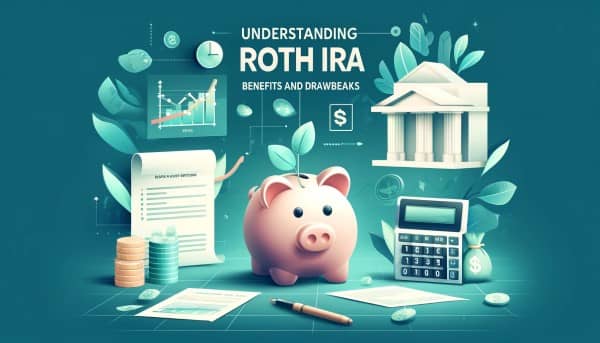
Advantages and Disadvantages of a Roth IRA
Retirement Savings Plans and Contributions
-
The Importance of Diversification in Retirement Investing
Key Takeaways Introduction Imagine you invested all your savings in a single company’s stock, confident it would keep growing. But what if, unexpectedly, that company faced a major scandal or financial downturn? Suddenly, your entire investment portfolio could be at risk. This scenario isn’t hypothetical—consider the Enron scandal of 2001, which wiped out thousands of […]
-
Starting Strong: Portfolio Management Strategies for New Investors
Key Takeaways Introduction Imagine you start investing $200 per month at age 25 with an average annual return of 7%. By the time you retire at 65, you would have accumulated nearly $525,000. However, without proper portfolio management, your returns could significantly underperform, and you might miss out on hundreds of thousands of dollars in […]
-
Retirement Savings Milestones: Targets for Every Decade
Key Takeaways Introduction Imagine reaching retirement age with the peace of mind that comes from knowing you’ve planned well and saved enough to enjoy your golden years without financial stress. Setting retirement savings goals early and staying on track throughout the different stages of life is crucial. Whether you’re just starting your career or are […]
-
Pre-Tax vs. After-Tax Contributions: What You Need to Know
Key Takeaways Introduction Are you maximizing your retirement savings potential? Understanding the nuances of pre-tax and after-tax contributions could be the key to unlocking a more financially secure future. When it comes to retirement planning, one size does not fit all. The choice between pre-tax and after-tax contributions can significantly impact your tax liabilities now […]
-
Social Security and Retirement: When to Start Taking Benefits
Five Key Takeaways Introduction Brief Overview of Social Security and Its Importance in Retirement Planning Social Security is a cornerstone of retirement planning for millions of Americans, providing a crucial source of income during the retirement years. Established in 1935 as part of the Social Security Act, this federal program was designed to offer financial […]





🔹 Key Topics Covered
This section is designed to help you understand, build, and optimize your retirement savings strategy through six core areas:
🏦 Retirement Savings Essentials
Understand the foundation of retirement planning, including employer-sponsored plans like 401(k)s and 403(b)s, individual accounts such as IRAs, and options for self-employed individuals.
📈 Strategic Contributions & Savings Growth
Learn how much to contribute, how to maximize employer matching, and how to steadily increase your savings over time.
🧾 Tax Benefits & Contribution Strategies
Explore the differences between pre-tax and Roth contributions, and how to structure your retirement savings for long-term tax efficiency.
🔄 Managing & Optimizing Retirement Accounts
Discover how to manage multiple accounts, handle rollovers, understand vesting schedules, and maintain a diversified investment strategy.
🔁 Adapting to Life & Career Changes
Adjust your retirement strategy as your income, career, or life goals evolve—including transitions to self-employment or early retirement planning.
🧭 Long-Term Success: Reviews & Adjustments
Build long-term success by reviewing your retirement plan regularly, updating goals, and avoiding common mistakes.
❓ Retirement Savings FAQ
How much should I save for retirement?
A general guideline is 10%–15% of your income, adjusted based on your goals and timeline.
Can I contribute to both a 401(k) and an IRA?
Yes, many people use both to maximize tax advantages and flexibility.
Is a Roth account better than Traditional?
It depends on your current and expected future tax bracket.
What if I start saving late?
You can increase contributions, use catch-up provisions, and adjust your timeline to improve outcomes.
🔗 Continue Your Financial Learning
📈 Expand Your Investment Knowledge
- Investment Basics and Strategies
- Stock Market Investing and Portfolio Management
🚀 Build Long-Term Wealth
- Wealth Building Techniques and Passive Income Streams
🧭 Strengthen Your Financial Plan
- How to Create a Financial Plan
- Financial Planning Roadmap
🔙 Back to Saving & Investing
For a complete overview of personal finance topics, visit the Finance Hub.
The Financial Planning Roadmap
A clear framework to help you build financial stability in logical stages.
→ View the Roadmap
Jason’s Fin Tips Budgeting Frameworks
Learn how to choose and implement a budgeting style that fits your financial life.
→ Learn About Budgeting Frameworks
The Ultimate Tax Planning Roadmap
Learn that taxes are not just a once-a-year obligation—they are one of the most powerful forces shaping your financial life.
→ Learn to Reducing Taxes and Building Long-Term Wealth
How to Create a Financial Plan
A practical, structured guide to organizing goals, priorities, and long-term financial strategy.
→ Step-by-Step Planning Guide
Life Insurance Planning Hub
Explore foundational insurance principles and strategic planning considerations.
→ Explore Insurance Strategy
🧠 Investment Strategy Within Retirement Accounts
Your retirement account is only as strong as how it’s invested.
Core Principles
- Diversify across stocks, bonds, and asset classes
- Adjust risk based on time horizon
- Rebalance annually
Common Mistakes to Avoid
- Holding too much cash
- Overconcentration in one asset
- Ignoring fees
👉 Explore more:
- Investment Basics and Strategies
- Stock Market Investing and Portfolio Management
🔄 Managing & Optimizing Your Retirement Accounts
As your career progresses, your retirement accounts will need attention.
Key Actions
- Roll over old 401(k)s into a single account
- Understand vesting schedules
- Track required minimum distributions (RMDs)
- Avoid early withdrawal penalties
🔁 Adapting Your Retirement Plan Over Time
Your strategy should evolve with your life.
Adjust When:
- You change jobs
- Your income increases
- You become self-employed
- You approach retirement
Special Considerations
- Early retirement planning
- Late-start catch-up strategies
- Income variability for freelancers
🧭 Retirement Savings Roadmap
| Step | Action | Focus | Outcome |
|---|---|---|---|
| 1 | Understand account options | Education | Clear direction |
| 2 | Capture employer match | Immediate return | Free money |
| 3 | Choose tax strategy | Efficiency | Lower lifetime taxes |
| 4 | Increase contributions | Growth | Compounding |
| 5 | Invest strategically | Allocation | Balanced risk |
| 6 | Review annually | Optimization | Long-term success |
⚠️ Common Retirement Mistakes to Avoid
- Not contributing enough
- Missing employer match
- Waiting too long to start
- Ignoring fees
- Holding overly conservative investments
- Failing to adjust your strategy
- Forgetting old retirement accounts
❓ Retirement Savings FAQ
How much should I save for retirement each month?
Start with at least 10%–15% of your income and increase over time.
Can I have both a 401(k) and an IRA?
Yes—many people use both to maximize tax advantages and flexibility.
Is Roth better than Traditional?
It depends on your current and expected future tax bracket.
What happens if I contribute too much?
You may face penalties unless corrected before tax deadlines.
What options exist for self-employed individuals?
SEP IRA, Solo 401(k), and SIMPLE IRA are the most common.
🔗 Continue Your Financial Learning
📈 Expand Your Investment Knowledge
🚀 Build Long-Term Wealth
🧭 Strengthen Your Financial Plan
Expand Your Budgeting Frameworks
Learn how to choose and implement a budgeting style that fits your financial life.
→ Learn About Budgeting Frameworks
Strategies with the Tax Planning Roadmap
Learn that taxes are not just a once-a-year obligation—they are one of the most powerful forces shaping your financial life.
→ Learn to Reducing Taxes and Building Long-Term Wealth
🔙 Back to Savings & Investing
For a complete overview of personal finance topics, visit the Finance Hub.