
Budgeting & Money Management Hub
Your Guide to Taking Control of Your Financial Future
Managing money intentionally is one of the most important steps toward long-term financial stability. Whether you’re building your first budget, saving for a major goal, or working to eliminate debt, strong money-management habits create the foundation for financial security.
Many people struggle with their finances not because they lack discipline, but because they lack a clear system. Budgeting provides that system. When you understand where your income goes each month, you can make informed decisions about spending, saving, and investing.
This hub brings together practical guides, strategies, and tools designed to help you:
- create a realistic budget
- track spending and identify financial patterns
- build consistent savings habits
- reduce debt and strengthen financial stability
- set and achieve meaningful financial goals
Start by exploring the key budgeting concepts below, then dive deeper into the guides and articles linked throughout this page.
Understanding Budgeting and Money Management
At its core, budgeting is the process of planning how you will allocate your income. A well-designed budget ensures that your spending aligns with your financial priorities and long-term goals.
Money management goes beyond simply tracking expenses. It includes making intentional decisions about how income is divided between essential expenses, savings, debt repayment, and lifestyle spending.
Strong financial management habits typically include:
| Financial Principle | Why It Matters |
|---|---|
| Income awareness | Knowing exactly how much money you earn each month |
| Expense tracking | Understanding where your money goes |
| Saving consistently | Building financial security and emergency reserves |
| Managing debt | Reducing interest costs and improving flexibility |
| Long-term planning | Preparing for retirement and major life goals |
When these elements work together, your finances become more predictable and manageable.
Why Budgeting Matters for Long-Term Financial Success
Budgeting is often misunderstood as restriction or deprivation. In reality, budgeting is about intentional financial decision-making.
A well-structured budget can help you:
- avoid overspending
- reduce financial stress
- build emergency savings
- pay down debt faster
- plan for major financial goals
- grow long-term wealth
Research from the Federal Reserve’s Survey of Consumer Finances shows that households with structured financial planning habits generally accumulate more assets and maintain greater financial stability over time.
Budgeting simply creates the roadmap that makes those outcomes possible.
Core Principles of Effective Budgeting
Regardless of the budgeting method you choose, most successful financial plans follow several core principles.
Know Your Income
Understanding your after-tax income is the foundation of any budget.
Track Spending Consistently
Tracking expenses reveals patterns and highlights areas where spending adjustments can improve financial outcomes.
Prioritize Essential Expenses
Housing, food, transportation, insurance, and debt obligations should always come before discretionary spending.
Pay Yourself First
Saving and investing should be treated as essential financial commitments.
Review and Adjust Regularly
Budgets should evolve as your income, expenses, and financial goals change.
Popular Budgeting Methods
Different budgeting systems work for different lifestyles. Choosing a method that fits your habits increases the likelihood of long-term success.
| Budgeting Method | Description |
|---|---|
| 50/30/20 Budget | Allocates income toward needs, wants, and savings |
| Zero-Based Budgeting | Every dollar is assigned a specific purpose |
| Envelope Budgeting | Cash is allocated to spending categories |
| Pay Yourself First | Savings and investments are automated first |
| Automated Budgeting | Financial tools manage tracking and transfers |
The most effective budgeting method is the one you can maintain consistently over time.
Start Here: Budgeting Roadmap — A Step-by-Step Guide to Managing Your Money
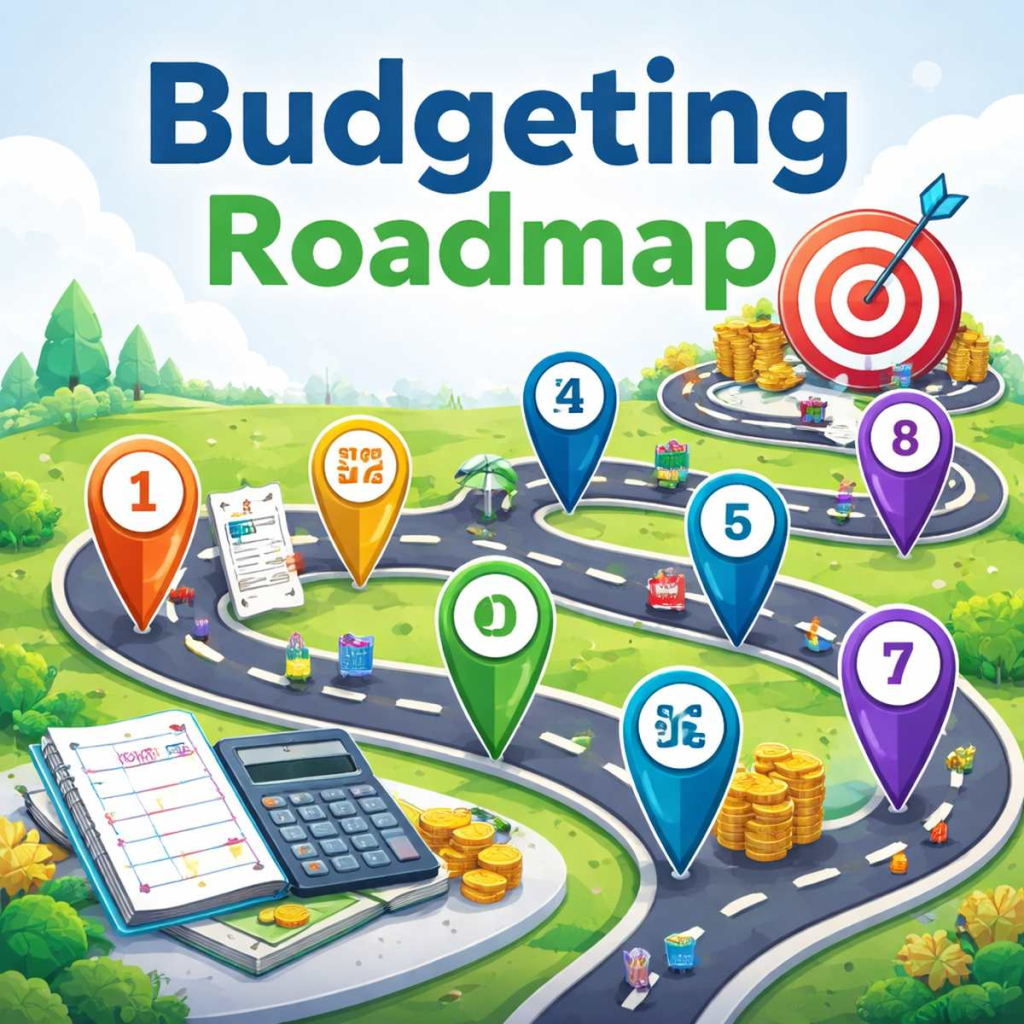
Budgeting works best when it follows a structured process. The roadmap below outlines the basic steps that many successful financial plans follow.
Step 1 – Understand Your Income
Determine your total monthly income after taxes.
Step 2 – Track Your Expenses
Review bank statements and spending patterns to understand where your money goes.
Step 3 – Categorize Your Spending
Divide expenses into essential costs, lifestyle spending, savings, and debt payments.
Step 4 – Choose a Budgeting Method
Select a budgeting framework that fits your financial habits and goals.
Step 5 – Build an Emergency Fund
Saving regularly helps protect your finances from unexpected events.
Step 6 – Manage Debt Strategically
Create a repayment plan that reduces interest costs and improves financial flexibility.
Step 7 – Set Financial Goals
Establish clear short-term and long-term financial objectives.
Step 8 – Review Your Budget Monthly
Adjust your budget as your income, expenses, and financial priorities change.
→ Explore Budgeting Roadmap: A Step-by-Step Guide to Managing Your Money
Featured Budgeting Guides
If you want to explore budgeting strategies in greater depth, these in-depth guides provide structured approaches to improving your money-management habits.
10 Budgeting Strategies to Fit Your Lifestyle
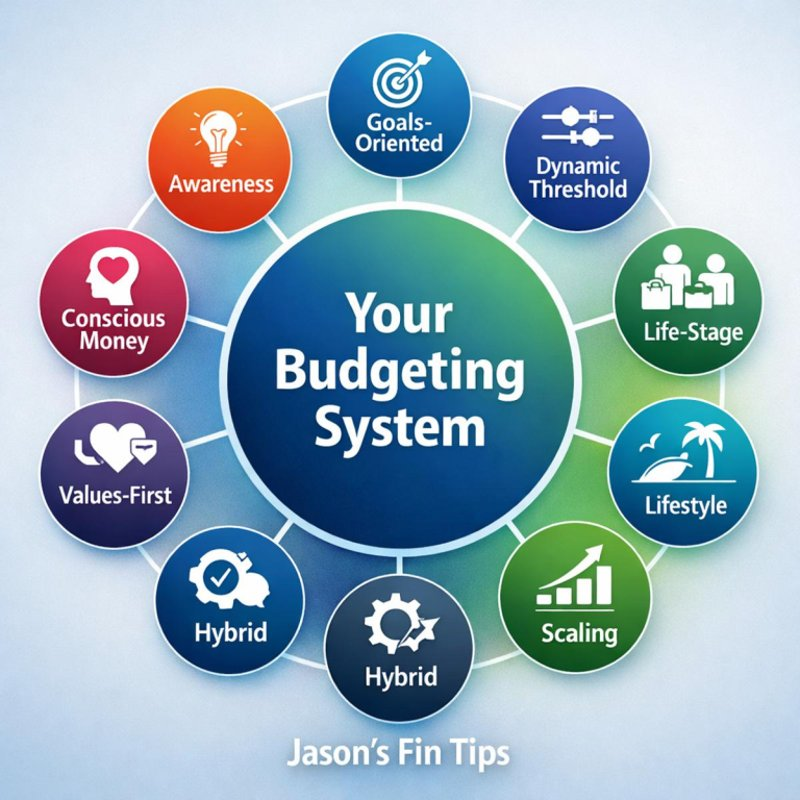
Explore a range of budgeting systems—from traditional methods like zero-based budgeting to modern behavior-based approaches—to find the strategy that works best for your financial life.
→ Explore Jason’s Fin Tips Budgeting Frameworks
Debt Budgeting Frameworks: Choose the Right System to Manage Your Money
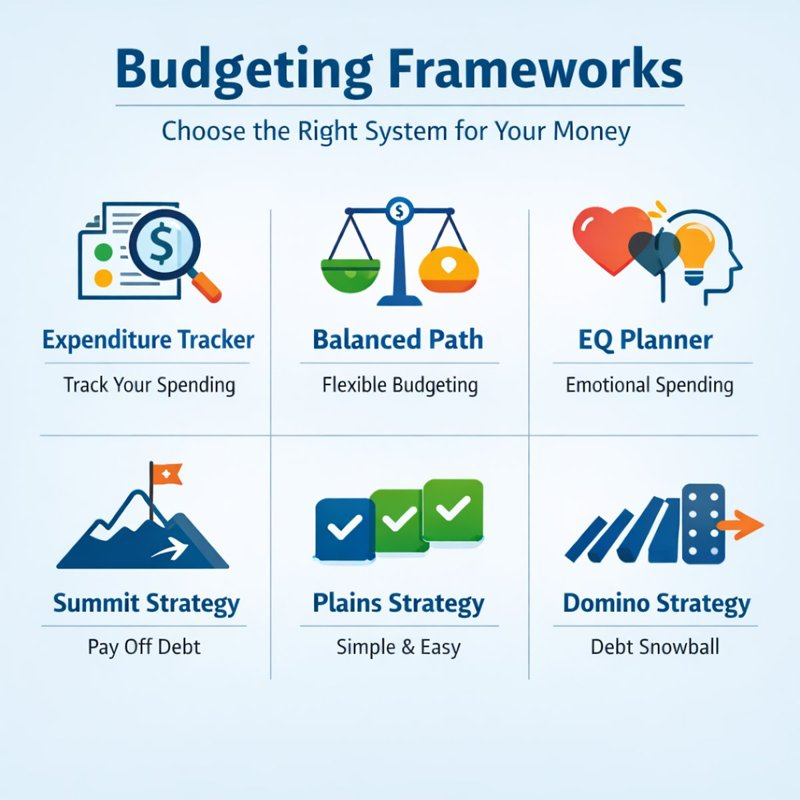
Learn six practical budgeting methods designed to help households regain control of spending, reduce debt, and build long-term financial stability.
→ Debt Budgeting Frameworks: Choose the Right System to Manage Your Money
Browse Budgeting & Money Management Topics
Browse the topics below to explore budgeting and money-management strategies.
📝 Creating a Budget
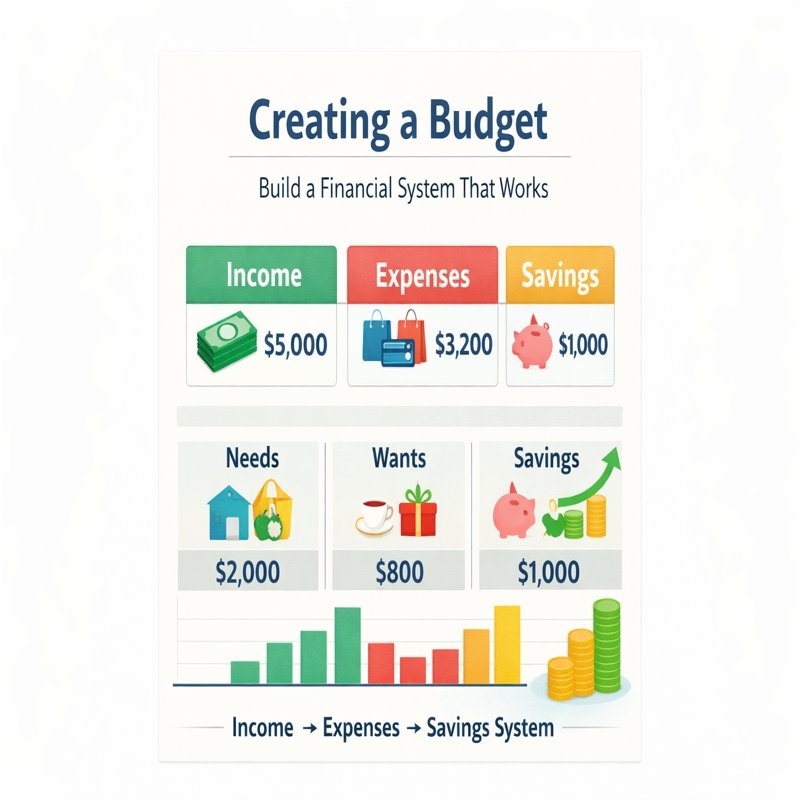
Learn how to design a budget that aligns with your income, lifestyle, and financial goals. These guides provide step-by-step frameworks and templates to help you build a budgeting system that works.
💰 Saving Strategies & Techniques
Saving consistently is one of the most important financial habits you can develop. Discover strategies to automate savings, reduce unnecessary expenses, and build emergency funds.
📊 Expense Tracking & Analysis
Understanding your spending patterns is essential for improving financial habits. Learn how to track expenses, analyze financial patterns, and identify opportunities to strengthen your budget.
🧾 Debt Management & Repayment Plans
Debt can create long-term financial stress if left unmanaged. Explore repayment strategies, debt reduction frameworks, and tools designed to improve financial stability.
🎯 Financial Goal Setting & Prioritization
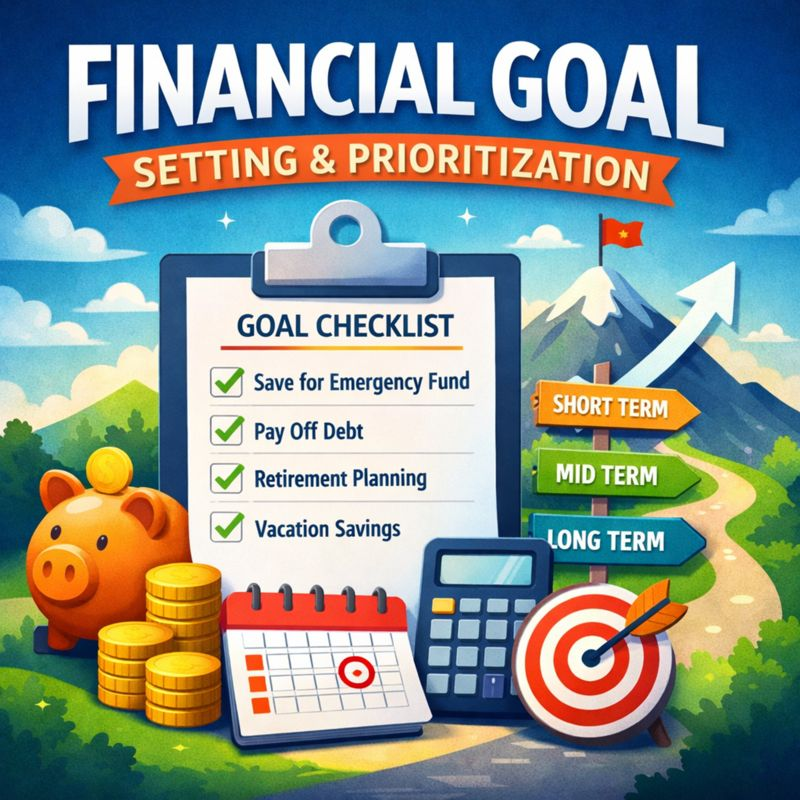
Financial goals provide direction for your money. Learn how to define meaningful goals and align your spending and savings decisions with long-term priorities.
🧠 Popular Budgeting Articles
Explore some of the most helpful budgeting resources on Jason’s Fin Tips.
💸 How to Build a Personalized Savings Plan for Financial Success
Learn how to design a savings plan tailored to your income, goals, and lifestyle. From emergency funds to automation tips, take control of your financial future—starting today.

📊 How to Analyze Monthly Expenses: A Step-by-Step Guide
Take the guesswork out of where your money goes. This guide walks you through analyzing expenses, identifying leaks, and using smart tools to improve your budgeting habits.
Recent Budgeting Articles
Explore the latest articles on budgeting strategies, saving systems, debt reduction, and practical money-management techniques.
-
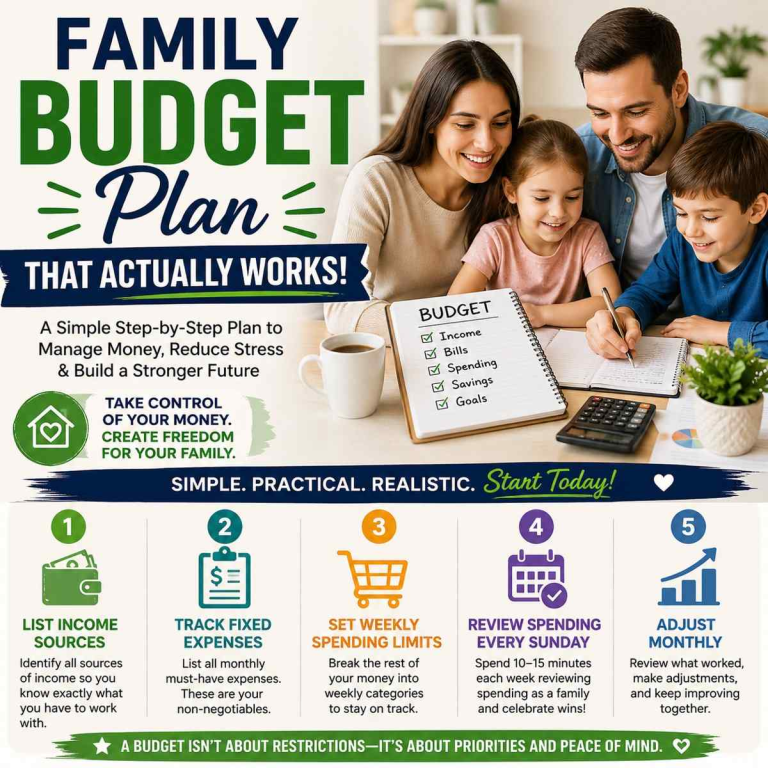
Family Budget Guide: How to Create a Budget That Actually Works (Step-by-Step Guide)
💡 Simple Family Budget Plan (Quick Start Today) If you want a practical way to take control of your family finances, start with this simple, repeatable budgeting process: 1. List All Income Sources Identify every source of household income, including salaries, side income, benefits, and irregular earnings.👉 This gives you a clear starting point for […]
-
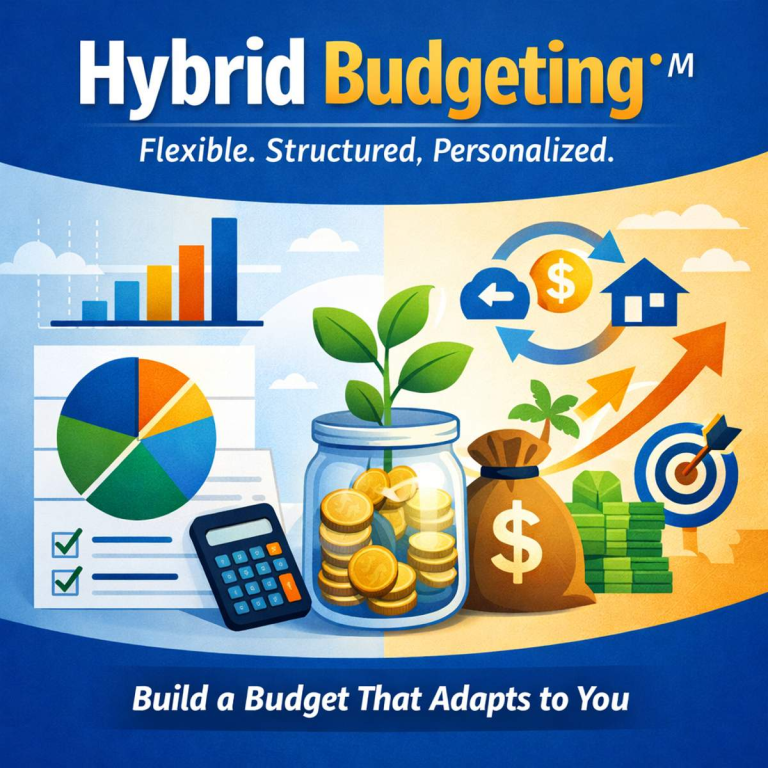
Hybrid Budgeting™ – Crafting Your Unique Path to Financial Success
🧭 Introduction — Building a Budget That Adapts to Real Life Budgeting shouldn’t feel like a battle between structure and freedom. Yet for most people, that’s exactly what happens. Traditional methods like the 50/30/20 rule or zero-based budgeting work well in theory—but in practice, life rarely fits into fixed percentages and neat categories. Between rising […]
-
Budgeting Basics – A Beginner’s Guide to Creating Your First Budget
🧭 Introduction to Budgeting A budget is a simple plan for how you use your money. It helps you decide where your income goes each month—covering essential expenses, saving for the future, and allowing for discretionary spending. At its core, budgeting is not about restriction—it’s about control and clarity. Without a budget, it’s easy to […]
-
Automation vs. Manual Saving: Which Strategy Suits You Best?
Introduction Welcome to the critical journey of personal finance, where the ability to save effectively stands as a pillar of financial stability and growth. In our quest to secure a prosperous future, each of us faces a pivotal decision: should we embrace the modern convenience of automated saving or adhere to the traditional, hands-on method […]
-
Budgeting Roadmap: A Step-by-Step Guide to Managing Your Money
I. Introduction — Why Budgeting Requires a System Many people want to manage their money better, but budgeting often feels overwhelming or restrictive. Some try to create a budget once or twice, only to abandon it after a few weeks when the numbers don’t seem to work or unexpected expenses appear. The problem usually isn’t […]
-
How to Track Monthly Expenses Easily (and Finally Stay on Budget)
💡 1. Introduction — Why Expense Tracking Matters Financial peace begins with awareness — knowing where your money truly goes each month.Most budgets don’t fail because people lack discipline; they fail because people lack visibility. When you track your expenses, you replace uncertainty with control. Instead of wondering where your paycheck disappeared, you’ll see exactly […]

Common Budgeting Mistakes to Avoid
Even well-designed budgets can fail if common mistakes are overlooked.
Common budgeting pitfalls include:
- underestimating variable expenses
- ignoring small recurring subscriptions
- setting unrealistic savings goals
- failing to track spending consistently
- abandoning the budget after temporary setbacks
Budgeting works best when it becomes a consistent financial habit rather than a short-term experiment.
Example Budget Allocation
While every financial situation is different, many financial planners use general spending guidelines.
| Expense Category | Suggested Range |
|---|---|
| Housing | 25–35% |
| Transportation | 10–15% |
| Food | 10–15% |
| Savings & Investments | 10–20% |
| Debt Payments | 5–15% |
| Personal & Lifestyle | 10–20% |
These ranges provide a starting point, but your budget should always reflect your specific financial goals and circumstances.
Final Thoughts
Budgeting and money management are not about perfection—they are about progress. The most successful financial plans are built through small, consistent decisions over time.
By understanding your income, controlling expenses, and aligning spending with meaningful financial goals, you can create a financial foundation that supports both your present needs and your long-term aspirations.
Continue exploring the guides and articles throughout this hub to strengthen your financial knowledge and build lasting financial confidence.
🔗 Explore Related Financial Topics
Budgeting is the starting point for most financial decisions. Continue building your financial foundation by exploring these connected personal finance topics.
- Financial Education & Literacy – Build a stronger understanding of the core concepts behind money and financial decision-making.
- Credit & Debt Management – Learn how credit works, reduce high-interest debt, and strengthen your financial profile.
- Saving & Investing – Turn consistent budgeting into long-term wealth through disciplined saving and investing strategies.
- Frugal Living & Money-Saving Tips – Discover practical ways to reduce expenses and stretch your budget further.
- Career & Income Growth – Increasing income can accelerate savings, reduce financial stress, and expand your financial opportunities.
About the Author — Jason Bryan Ball
Financial Educator | Founder of Jason’s Fin Tips
Read more about Jason Bryan Ball →