
Financial Education & Literacy Hub
Building the Knowledge for Smart Financial Decisions
Financial literacy is the foundation of sound financial decision-making. Understanding how money works—how to budget, save, manage credit, and plan for the future—helps individuals and families build long-term financial stability.
This section of Jason’s Fin Tips brings together practical guides designed to make financial concepts easier to understand and apply in everyday life. Whether you’re learning the basics of budgeting, trying to understand financial terminology, or building a long-term financial plan, these resources help you develop the knowledge needed to make informed financial choices.
Explore the key areas of financial literacy below and begin building the financial skills that support lasting financial security.
Start Here — New to Personal Finance?
If you’re just beginning to learn about managing money, start with these foundational guides. They explain essential financial concepts in clear, practical terms and provide a strong starting point for building financial knowledge.
Recommended starting guides:
- The Financial Planning Roadmap — A Step-by-Step Guide
- Essential Financial Terms Every Beginner Should Know
- How to Track Monthly Expenses Easily
- How to Build an Emergency Fund
These guides provide the building blocks for understanding how personal finance works in real life.
🧭 Financial Literacy Roadmap (Start Here)
Building financial knowledge doesn’t happen all at once—it develops step by step.
This roadmap outlines a clear learning path to help you move from understanding basic money concepts to making confident, informed financial decisions. Each phase builds on the previous one, guiding you toward long-term financial stability and independence.
🔥 Roadmap at a Glance
| Phase | Focus | Key Outcome |
|---|---|---|
| 1. Foundations | Understand basic money concepts | Awareness |
| 2. Money Management | Control spending and saving | Stability |
| 3. Credit & Debt | Manage borrowing effectively | Responsibility |
| 4. Protection | Reduce financial risk | Security |
| 5. Growth | Build savings and investments | Progress |
| 6. Planning | Create long-term financial strategy | Financial independence |
🔹 Phase 1: Foundations — Learn How Money Works
Start with the basics of personal finance, including key financial terms, how income flows, and how financial systems operate.
👉 Read More: [Essential Financial Terms Every Beginner Should Know]
🔹 Phase 2: Money Management — Build Strong Financial Habits
Develop core habits like budgeting, expense tracking, and saving. This phase focuses on creating consistency and control over your finances.
👉 Read More: [How to Track Monthly Expenses Easily]
👉 Read More: [How to Build an Emergency Fund]
👉 Read More: [How to Create a Simple Budget That Actually Works]
🔹 Phase 3: Credit & Debt — Use Borrowing Wisely
Understand how credit works, how debt affects your financial future, and how to manage or reduce debt effectively.
👉 Read More: [Credit & Debt Management Guide]
👉 Read More: [How Credit Scores Work and How to Improve Them]
🔹 Phase 4: Protection — Safeguard Your Financial Life
Learn how to protect yourself financially through insurance, emergency planning, and risk management strategies.
👉 Read More: [Why Insurance Matters in a Financial Plan]
👉 Explore: Insurance & Risk Management Hub
🔹 Phase 5: Growth — Build Wealth Through Saving and Investing
Once your foundation is stable, begin growing your wealth through saving strategies and investing principles.
👉 Read More: [Saving vs. Investing: What’s the Difference?]
👉 Explore: Saving & Investing Hub
🔹 Phase 6: Planning — Create a Long-Term Financial Strategy
Bring everything together into a comprehensive financial plan that supports your goals, lifestyle, and future.
👉 Read More: [The Financial Planning Roadmap — A Step-by-Step Guide]
📌 Why This Roadmap Matters
Financial literacy is not just about knowledge—it’s about applying that knowledge in the right order.
Following a structured learning path helps you:
- Build confidence with financial concepts
- Avoid costly mistakes early
- Develop strong financial habits
- Progress toward long-term financial independence
Core Areas of Financial Literacy
Financial literacy develops by understanding several interconnected areas of money management. The sections below highlight the major pillars of financial knowledge that support everyday financial decisions.
Basics of Personal Finance
Understanding how money flows through everyday life is the first step toward financial stability. These guides introduce the core principles of managing income, controlling expenses, building savings, and setting financial priorities.
Readers can learn how budgeting systems work, how to develop sustainable spending habits, and how to create a simple financial system that supports long-term financial goals.
→ Explore Basics of Personal Finance
Understanding Financial Terms
Many financial decisions become easier once the language of money is understood. This section explains essential financial terminology in clear, practical language so readers can confidently navigate financial discussions.
Topics include concepts such as compound interest, net worth, asset allocation, credit scores, and APR.
→ Explore Financial Terms and Definitions
Building a Strong Financial Foundation

Financial stability begins with strong habits and systems. This section focuses on the pillars of financial health, including emergency savings, budgeting strategies, debt reduction approaches, and essential insurance planning.
These guides help readers develop the structure that supports long-term financial progress.
→ Explore Financial Foundations
Reading and Analyzing Financial Statements
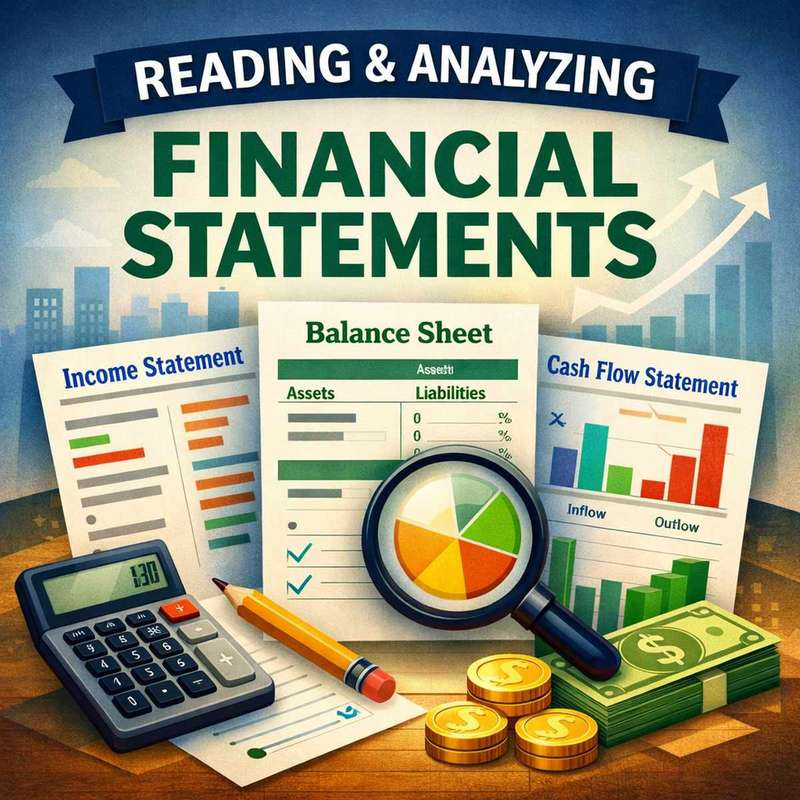
Financial statements reveal important information about spending behavior and financial health. In this section, readers learn how to interpret bank statements, review credit card transactions, and track financial patterns over time.
Understanding financial records helps individuals gain clarity about their financial habits and identify opportunities for improvement.
→ Explore Financial Statement Analysis
Financial Planning for Different Life Stages

Financial priorities change throughout life. Early career planning, raising a family, preparing for retirement, and navigating major life transitions each require different financial strategies.
This section explores how financial planning evolves across life stages and how individuals can adapt their financial decisions as circumstances change.
→ Explore Life-Stage Financial Planning
Financial Planning Roadmap
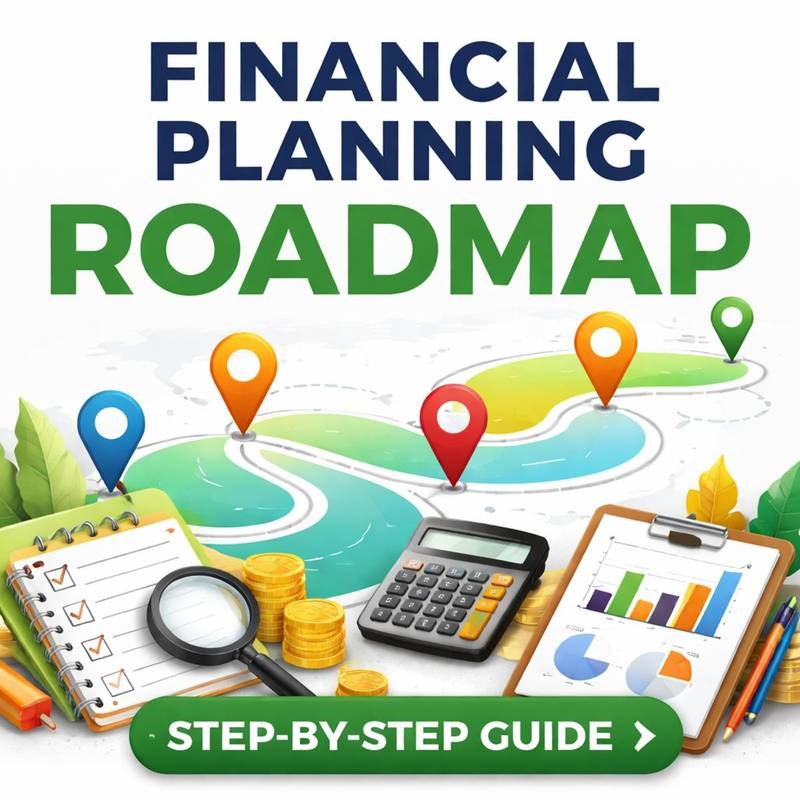
Financial literacy supports a broader financial planning process. As individuals develop financial knowledge, they can apply these concepts to build a structured financial plan.
A typical financial planning journey often includes the following stages:
- Building a financial foundation through budgeting and financial awareness
- Creating emergency savings to manage unexpected expenses
- Managing and reducing high-interest debt
- Protecting financial stability through insurance and risk management
- Investing for long-term financial growth
- Planning for retirement and financial independence
- Preparing for major life goals such as homeownership or education funding
→ View the Financial Planning Roadmap
Recommended Financial Literacy Guides
These in-depth guides explore essential financial concepts and provide practical strategies for building long-term financial stability.
Recommended reading includes:
- The Financial Planning Roadmap: A Step-by-Step Guide
- 10 Smart Financial Planning Tips to Build a Secure Future
- Need Help Managing Money? A Step-by-Step Beginner Action Plan
- Need a Financial Plan? What Your First Plan Should Include
These articles help readers connect financial literacy concepts with practical financial planning strategies.
Complete Financial Planning Series
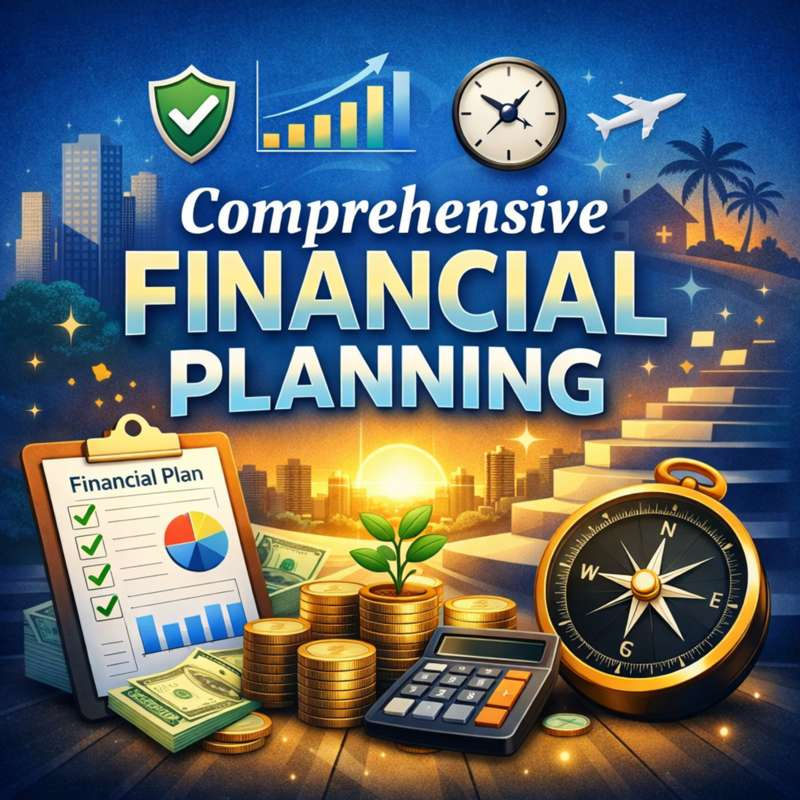
This comprehensive educational series walks through the full process of building a personal financial plan.
Each section focuses on a key area of financial planning and explains how it fits into the broader financial strategy.
Topics covered include:
- Assessing Your Current Financial Situation
- Setting Financial Goals
- Building an Emergency Fund
- Managing Debt Effectively
- Insurance Planning
- Investment Planning
- Tax Planning
- Retirement Planning
- Estate Planning
- Education Planning
- Philanthropic Planning
- Business and Healthcare Planning
- Lifestyle and Digital Asset Planning
- Regular Financial Plan Reviews
- Integrating Your Financial Plan
→ Explore the Complete Financial Planning Series
Recent Financial Education Articles
Stay up to date with the latest financial education articles designed to help readers improve their understanding of money management and financial planning.
-
The True Cost of Owning an SUV: Rivian R2 vs. Gas and Hybrid SUVs (Five-Year Cost Comparison)
Key Takeaways A $45,000 SUV may not actually cost $45,000 to own. Here’s what fuel, maintenance, insurance, depreciation, and resale value can add to the real cost. Introduction When shopping for a new SUV, most buyers naturally focus on the sticker price. It’s easy to compare two vehicles with similar MSRPs and assume they’ll cost […]
-
Building Financial Security: Essential Strategies for Personal Finance Success
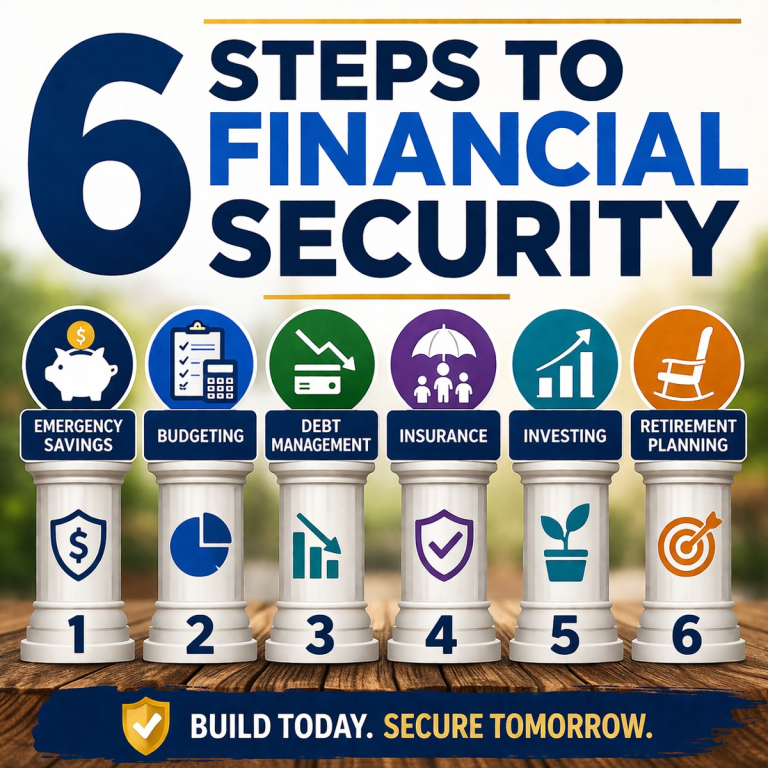
💡 Quick Answer: What Are the Essential Strategies for Financial Security? Financial security is built on six core pillars: Together, these strategies create a stable financial foundation that helps you manage risk, grow wealth, and plan for the future. 🚀 Start Here: Your 5-Minute Financial Security Plan If you want to take action right now, […]
-
Best Personal Finance Websites: Picks for Learning, Budgeting, and Investing
Introduction Navigating personal finance has never been easier—or more overwhelming. With thousands of websites offering advice, tools, and opinions, knowing where to start (and who to trust) is a challenge in itself. This guide cuts through the noise. Instead of listing dozens of sites, this curated resource highlights the most useful and trustworthy personal finance […]
-
10 Smart Financial Planning Tips to Build a Secure Future
💡 Quick Answer: What Are the Best Financial Planning Tips? The best financial planning tips focus on building long-term financial stability through budgeting, saving, investing, debt management, tax planning, and risk protection. Strong financial planning habits often include: Small financial decisions made consistently over time can significantly improve long-term financial security and financial independence. I. […]
-
Money Management Plan for Beginners: A Step-By-Step Action Plan + Simple Tips
1. Introduction – If Money Feels Overwhelming, You’re Not Alone If managing money feels confusing, stressful, or even paralyzing, you are far from alone. Millions of capable, hardworking people struggle with their finances—not because they are irresponsible, but because most of us were never formally taught how money works in real life. Budgeting, debt management, […]
-
Need a Financial Plan – What Your First Plan Should Include
1. Introduction – Why Everyone Needs a First Financial Plan Managing personal finances today is more complex than ever. Rising living costs, fluctuating interest rates, student loan reforms, new tax rules, and growing economic uncertainty all put pressure on households. Without a clear plan, it’s easy to feel overwhelmed, fall behind on savings, or make […]




Popular Financial Education Articles
Readers frequently explore these financial literacy guides:
- How Life Cycle Theory Helps You Build Wealth Smarter at Every Stage
- Navigating Financial Transitions — Adjusting Your Plan When Life Changes
- 10 Smart Financial Planning Tips to Build a Secure Future

💸 Teaching Kids About Money: A Step-by-Step Guide for Parents
Empower your kids with essential financial skills and habits that last a lifetime.
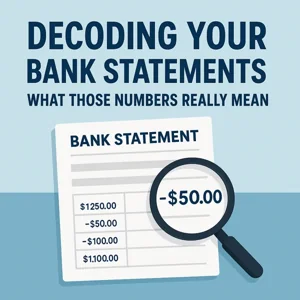
📊 Decoding Your Bank Statements: What Those Numbers Really Mean
Learn how to read your statement, identify spending patterns, and avoid hidden fees.
Explore Related Personal Finance Topics
Financial literacy connects to many other areas of personal finance. Explore these related sections to deepen your understanding of how financial decisions affect long-term financial stability.
- Budgeting & Money Management
Learn how to create a budget, manage expenses, and develop sustainable financial habits. - Credit & Debt Management
Understand how credit works, how debt affects financial health, and how responsible borrowing supports financial stability. - Saving & Investing
Explore strategies for building wealth through disciplined saving and diversified investing. - Budgeting Roadmap: A Step-by-Step Guide to Managing Your Money
The budgeting roadmap outlined in this guide walks through those steps in a practical order. - Wealth Building & Financial Independence
Develop long-term strategies that support asset growth and financial independence.
Final Thought
Financial literacy is not about mastering complex financial theory—it’s about understanding the decisions that shape everyday financial life. By building knowledge step by step, individuals can gain the confidence needed to make informed financial choices and develop long-term financial stability.
About the Author — Jason Bryan Ball
Financial Educator | Founder of Jason’s Fin Tips
Read more about Jason Bryan Ball →