
Tax Planning & Optimization Hub
Maximize Your Savings. Minimize Your Tax Burden.
Taxes influence nearly every financial decision you make—from how you earn income to how you invest, save, and prepare for retirement. Without a clear strategy, it’s easy to overpay, miss valuable opportunities, or make decisions that increase your long-term tax burden.
The reality is simple: taxes are not just calculated—they are influenced.
With the right approach, you can legally reduce your tax liability, improve your after-tax returns, and build a more efficient financial plan.
This hub brings together essential tax planning concepts, practical strategies, and step-by-step guidance to help you move from basic understanding to proactive financial control.
Start with the Tax Planning Roadmap below to begin building your strategy.
Who This Page Is For
This page is designed for individuals who want to take a more strategic approach to taxes—not just file and move on.
You’ll benefit from this hub if you are:
- A W-2 employee looking to reduce your overall tax burden
- A freelancer, content creator, or self-employed professional managing variable or irregular income
- A small business owner navigating deductions, credits, and income structuring
- An investor focused on improving after-tax returns
- Someone planning for retirement and long-term tax efficiency
Whether you’re just beginning to understand how taxes work or looking to refine an existing strategy, this page provides a structured path forward.
If you want to stop reacting to taxes and start planning ahead, you’re in the right place.
What You’ll Learn
This Tax Planning & Optimization Hub is designed to help you build practical knowledge and apply it to real financial decisions.
In this section, you’ll learn how to:
- Understand how the tax system works in real-world scenarios
- Identify opportunities to legally reduce your tax liability
- Use deductions and credits effectively to lower what you owe
- Plan income, expenses, and investments with tax efficiency in mind
- Improve long-term financial outcomes through proactive tax strategy
You’ll also gain insight into how taxes impact:
- Investment returns
- Retirement income and withdrawals
- Business and self-employment earnings
- Long-term wealth-building strategies
Use this page as your central guide to making smarter, more tax-efficient financial decisions.
Why Most People Overpay Taxes
Most people don’t overpay taxes because they earn too much—they overpay because they don’t plan.
Taxes are one of the few areas in personal finance where small decisions can have a compounding impact over time. Without a clear strategy, it’s easy to leave money on the table year after year.
Common mistakes include:
- Waiting until tax season to take action
- Missing deductions and credits that could reduce taxable income
- Not understanding how different types of income are taxed
- Failing to use tax-advantaged accounts like 401(k)s, IRAs, or HSAs
- Ignoring how today’s decisions affect future tax outcomes
The result? Paying more than necessary and reducing your ability to build long-term wealth.
This hub is designed to help you avoid these mistakes and take control of your tax strategy—before it’s too late to make an impact.
🧭 Start Here: Tax Planning Roadmap
Tax planning is not a once-a-year task—it’s an ongoing process that influences how you earn, spend, invest, and build wealth over time.
Instead of reacting during tax season, effective tax planning happens throughout the year. It requires understanding how the system works, identifying opportunities, and making intentional decisions ahead of time.
This roadmap breaks tax planning into clear, manageable phases so you can move from basic understanding to long-term optimization. Each step builds on the previous one, helping you reduce your tax burden while aligning your decisions with your broader financial goals.
🔥 Roadmap at a Glance
| Phase | Focus | Key Outcome |
|---|---|---|
| 1. Foundations | Understand how taxes work | Clarity |
| 2. Income Awareness | Know how income is taxed | Control |
| 3. Deductions & Credits | Reduce taxable income | Savings |
| 4. Tax Strategy | Plan proactively | Efficiency |
| 5. Investment & Retirement Tax Planning | Optimize long-term outcomes | Growth |
| 6. Advanced Planning | Align taxes with wealth strategy | Long-term optimization |
🔹 Phase 1: Foundations — Understand How Taxes Work
Start with the basics: tax brackets, filing status, federal vs. state taxes, and how the overall tax system functions.
👉 Read More: [Tax Basics: How Income Taxes Work in the U.S.]
🔹 Phase 2: Income Awareness — Know How Your Income Is Taxed
Different types of income are taxed differently. Understanding this helps you make smarter decisions about earning, timing, and structuring income.
👉 Read More: [How Different Types of Income Are Taxed]
🔹 Phase 3: Deductions & Credits — Reduce What You Owe
Learn how deductions and credits work—and how to use them effectively to lower your taxable income and overall tax liability.
👉 Read More: [Tax Deductions vs. Tax Credits: How to Maximize Savings]
🔹 Phase 4: Tax Strategy — Plan Throughout the Year
Effective tax planning happens year-round, not just during filing season. This phase focuses on timing income, managing expenses, and avoiding surprises.
👉 Read More: [Year-Round Tax Planning Strategies to Reduce Your Tax Bill]
🔹 Phase 5: Investment & Retirement Tax Planning — Optimize for the Long Term
Taxes can significantly impact long-term returns. Learn how to use tax-advantaged accounts, manage capital gains, and plan withdrawals efficiently.
👉 Read More: [Tax-Efficient Investing and Retirement Planning Strategies]
🔹 Phase 6: Advanced Planning — Align Taxes With Your Financial Strategy
At this stage, tax planning becomes part of a broader wealth strategy, including business planning, estate considerations, and multi-year tax optimization.
👉 Read More: [Advanced Tax Planning Strategies for Long-Term Wealth]
Why This Roadmap Matters
Taxes affect nearly every part of your financial life—but without a structured approach, it’s easy to miss opportunities or make costly mistakes.
A clear framework helps turn a complex system into a series of manageable decisions.
By following this roadmap, you can:
- Understand how taxes actually work—not just how they’re filed
- Reduce your taxable income legally and efficiently
- Plan ahead instead of reacting under time pressure
- Improve after-tax investment returns
- Align tax decisions with long-term financial goals
Tax planning is not about finding shortcuts—it’s about making informed, consistent decisions over time.
The earlier you start, the more control you gain—and the greater the long-term impact on your financial outcomes.
Core Areas of Tax Planning
Understanding taxes becomes much easier when you break the topic into clear, actionable areas. Each of the sections below represents a key pillar of effective tax planning and long-term financial success.
1. Tax Planning Strategies and Tips
Tax planning is not about last-minute deductions—it’s about making intentional decisions throughout the year.
This includes:
- Timing income and expenses to manage tax brackets
- Using tax-advantaged accounts like 401(k)s, IRAs, and HSAs
- Structuring income efficiently, especially for self-employed individuals
- Planning ahead for major financial decisions
The goal is simple: reduce taxes legally while improving long-term financial outcomes.
2. Maximizing Deductions and Credits
Deductions and credits are among the most powerful tools available to reduce your tax liability—but they are often misunderstood or underutilized.
This section focuses on:
- Identifying eligible deductions that lower taxable income
- Understanding tax credits that directly reduce your tax bill
- Avoiding common mistakes that lead to missed savings
Used correctly, these tools can significantly improve your overall financial position.
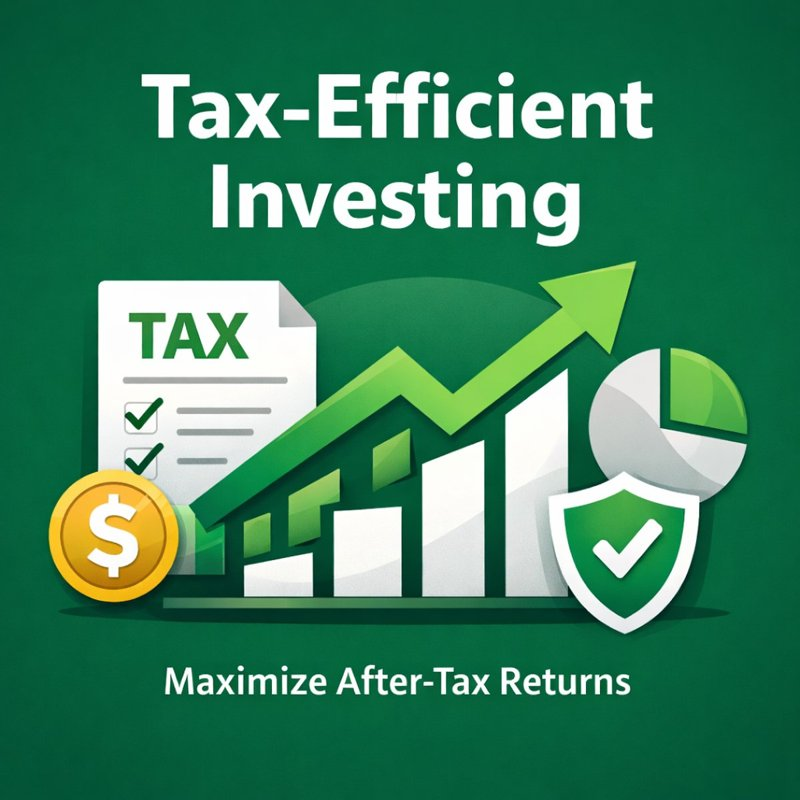
3. Tax-Efficient Investing and Strategies
Investment decisions don’t happen in a vacuum—taxes can significantly impact your returns over time.
In this area, you’ll learn how to:
- Manage capital gains and dividend taxation
- Choose the right accounts for different investments
- Minimize unnecessary tax drag on your portfolio
Even small improvements in tax efficiency can compound into meaningful long-term gains.
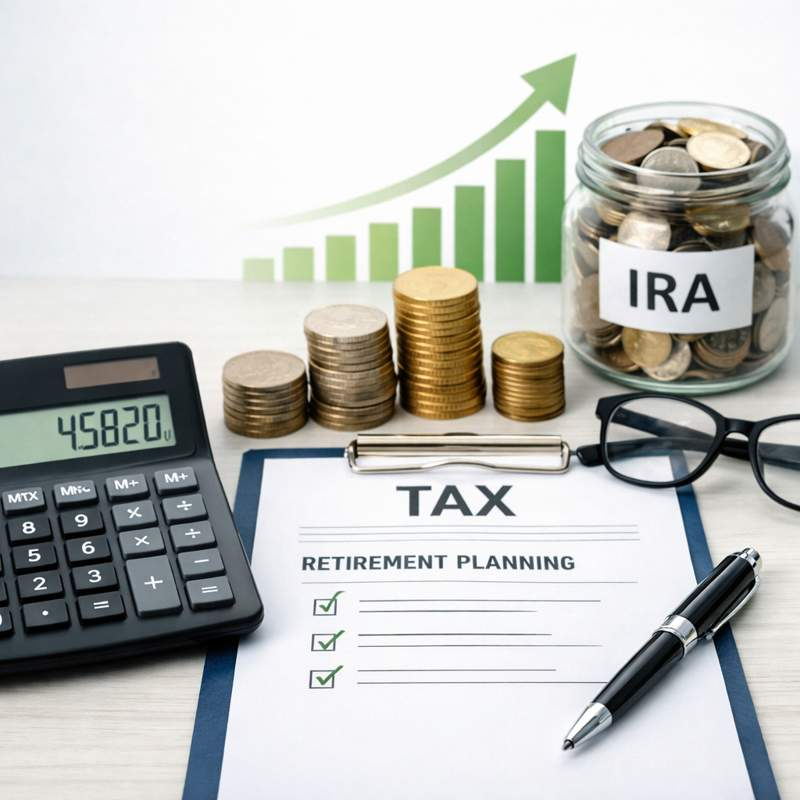
4. Retirement Tax Planning and Optimization
Taxes don’t disappear in retirement—they simply change form.
This section helps you understand:
- How different retirement accounts are taxed
- When and how to withdraw funds efficiently
- How Required Minimum Distributions (RMDs) impact your tax situation
A well-structured withdrawal strategy can help preserve more of your retirement income.
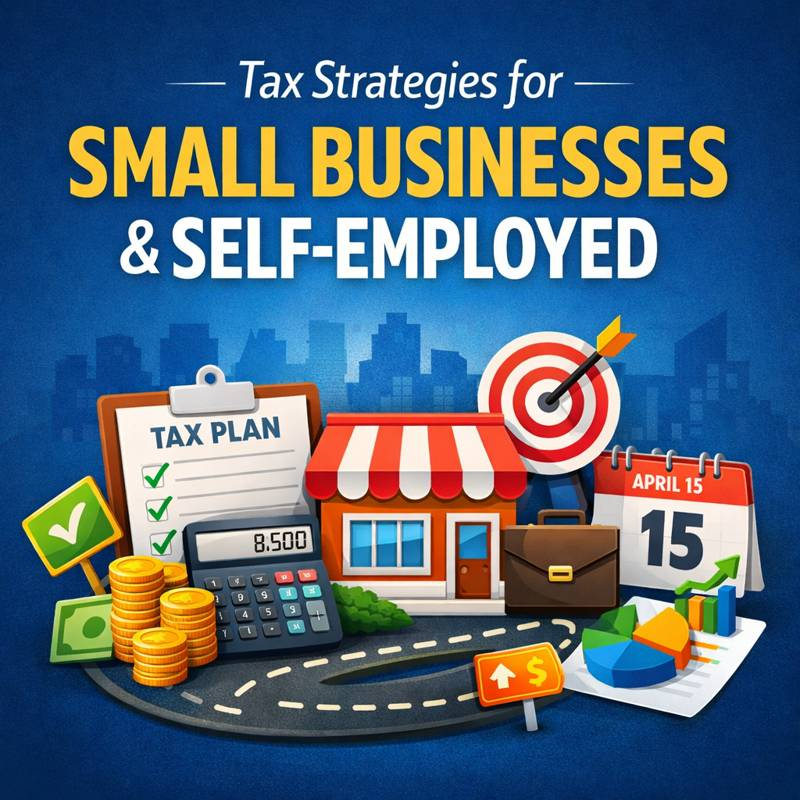
5. Tax Strategies for Small Businesses and Self-Employed Individuals
If you earn income outside of traditional employment, your tax strategy becomes even more important.
This section covers:
- Quarterly estimated tax payments
- Business deductions and expense tracking
- Self-employment taxes and income structuring
With proper planning, independent earners can unlock significant tax advantages while staying compliant.
Guided Tax Planning Paths
Prefer a structured approach instead of jumping between topics? Start with one of these curated learning paths based on your situation.
These guides are designed to provide clarity, direction, and progression—not just information.
Tax Basics Guide
Build a strong foundation by understanding how income taxes work, including tax brackets, filing status, and the overall system.
→ Start with the fundamentals before moving into advanced strategies.
Self-Employment Tax Guide
Learn how freelancers, content creators, and business owners manage taxes, including quarterly payments, deductions, and income tracking.
→ Essential for anyone earning non-traditional income.
Tax Deductions & Credits Guide
Explore the most valuable deductions and credits available—and how to use them effectively to reduce what you owe.
→ Focus on maximizing savings opportunities.
Estimated & Quarterly Taxes Guide
Avoid penalties and cash flow surprises by learning how and when to make estimated tax payments.
→ Build a system that keeps you ahead throughout the year.
Tax Tools & Planning Resources
Use calculators, checklists, and planning tools to estimate taxes, evaluate decisions, and stay organized.
→ Turn knowledge into action with practical tools.
Continue Your Tax Planning Journey
Now that you understand the structure of tax planning, the next step is to go deeper into specific strategies and applications.
Explore these essential guides to build your knowledge and take action:
- Tax Basics: How Income Taxes Work in the U.S.
- Tax Deductions vs. Tax Credits: How to Maximize Savings
- Year-Round Tax Planning Strategies to Reduce Your Tax Bill
- Tax-Efficient Investing and Long-Term Strategy
- Retirement Tax Planning and Withdrawal Strategies
These resources expand on the core concepts introduced in this hub and provide practical, step-by-step guidance.
Use them to build a complete, personalized tax strategy that evolves with your financial life.
Reader Favorites in Tax Planning
Some tax topics consistently generate the most questions—and for good reason. These areas are often misunderstood, overlooked, or have a significant impact on your financial outcomes.
Start with these high-interest guides to deepen your understanding:
RMD Taxation Explained
Required Minimum Distributions can create unexpected tax consequences in retirement if not planned properly.
Learn how RMDs work, when they begin, and how to manage withdrawals efficiently.
Small Business & Creator Tax Planning
If you earn income independently, your tax strategy becomes more complex—but also more flexible.
Explore strategies designed for freelancers, content creators, and entrepreneurs.
Tax-Efficient Investing
Taxes can quietly reduce long-term investment returns.
Understand how to structure your investments to minimize tax drag and preserve growth.
These guides focus on areas where smart decisions can lead to meaningful financial improvements over time.
Recent Articles in Tax Planning & Optimization
Stay up to date with the latest tax strategies, insights, and practical guidance.
This section highlights your most recent articles, including:
- Tax credit strategies and how they impact your refund
- Small business tax reduction systems and income optimization
- Deductions and credits for entrepreneurs and independent earners
- Creator-specific tax strategies and compliance guidance
- Updates to tax policy and planning considerations
👉 Use these articles to stay current and refine your strategy as tax rules and financial situations evolve.
-
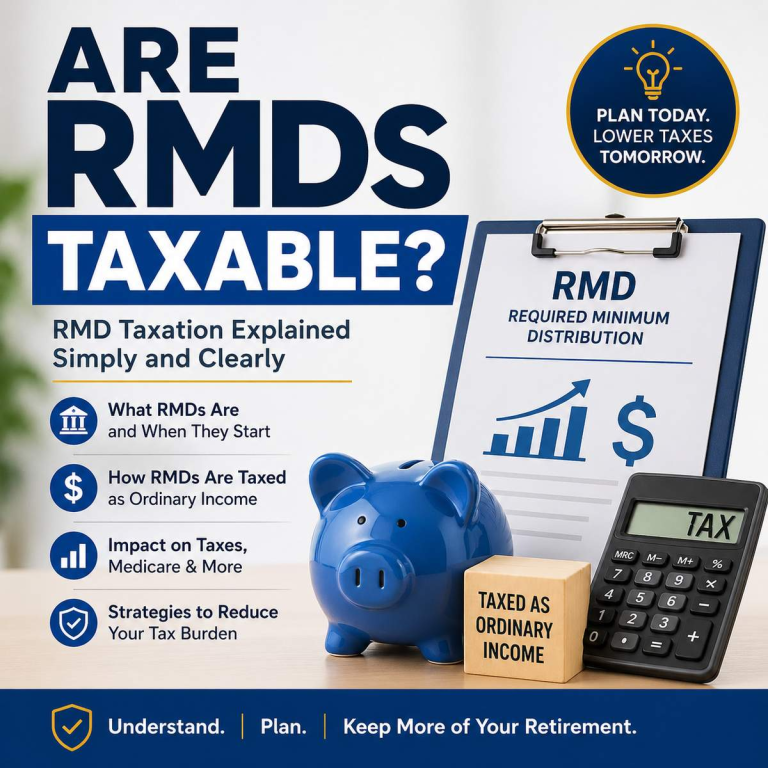
RMD Taxation Explained – How Your Retirement Withdrawals Are Taxed
💡Quick Take -What Are RMD Taxes? Required Minimum Distribution (RMD) taxes refer to the income taxes you pay on mandatory withdrawals from tax-deferred retirement accounts such as Traditional IRAs, 401(k)s, and 403(b)s. 👉 Simple rule: If your retirement contributions were tax-deferred, your RMD withdrawals will be taxed when you take them. 👉 Bottom line: RMDs […]
-
Mastering Tax Credits for Financial Empowerment
What are tax credits?Tax credits are amounts that directly reduce your tax bill dollar-for-dollar, making them more valuable than deductions. Some credits are refundable, meaning they can increase your tax refund even if you owe no taxes. 🏦 1. Introduction: Unlock One of the Most Overlooked Wealth-Building Tools Every year, billions of dollars in tax […]
-
How to Reduce Taxable Income for Small Businesses: A Strategic Tax Reduction System
📌 Introduction: Stop Reacting to Taxes—Start Controlling Them Most business owners approach taxes the same way every year: They calculate what they owe—and then look for ways to reduce the damage. But that approach misses a critical truth: 👉 Taxes are not just calculated—they are influenced. In reality, taxable income is highly controllable when you […]
-
Small Business Tax Deductions & Credits: The Complete Guide to Maximizing Your Savings
📌 Introduction: Why Deductions & Credits Matter More Than You Think Most small business owners don’t lose money because of bad strategy—they lose money because of missed basics. That means: And over time, those small misses turn into thousands of dollars in unnecessary taxes paid. This guide is not about advanced tax maneuvers or complex […]
-
OnlyFans Tax Hacks: Keep More Money & Pay Less (Comprehensive Creator Tax Guide)
. I. Introduction – Why Taxes Matter for OnlyFans Creators The creator economy has exploded over the past decade. Millions of people now earn income through digital platforms such as YouTube, Patreon, Twitch, and OnlyFans. What started as a niche form of online content sharing has evolved into a legitimate form of entrepreneurship, with many […]
-
Self-Employment Taxes Explained: How to Manage Quarterly Taxes, Deductions, and Business Income
Self-Employment Taxes Explained Managing Quarterly Taxes, Deductions, and Business Income Working for yourself can provide flexibility, independence, and the opportunity to build income on your own terms. However, it also comes with financial responsibilities that traditional employees rarely have to manage directly. One of the most important—and often misunderstood—responsibilities is self-employment taxes. Understanding how these […]


Frequently Asked Questions About Tax Planning
What is tax planning?
Tax planning is the process of organizing your financial decisions to legally reduce your tax liability while improving long-term financial outcomes.
When should I start tax planning?
Tax planning should happen year-round—not just during tax season. The earlier you plan, the more opportunities you have to reduce taxes.
What is the difference between tax planning and tax preparation?
Tax preparation focuses on filing your return. Tax planning focuses on reducing your future tax burden.
Can tax planning really save money?
Yes. Strategic use of deductions, credits, timing, and investment decisions can significantly reduce taxes over time.
Do I need a professional for tax planning?
Basic strategies can be implemented independently, but more complex situations—such as business ownership or advanced investing—may benefit from professional guidance.
Explore Related Financial Topics
Taxes don’t exist in isolation—they influence nearly every area of your financial life. To build a well-rounded strategy, it’s important to understand how tax planning connects to broader financial decisions.
Explore these related areas:
- Saving & Investing
Investment choices and account structures directly impact long-term tax efficiency and after-tax returns. - Retirement Planning
Retirement accounts, contribution strategies, and withdrawal timing are closely tied to tax outcomes. - Career & Income Growth
As your income increases, tax planning becomes more important for managing tax brackets and optimizing decisions. - Content Creators & Digital Income
Independent earners face unique tax considerations related to self-employment income, deductions, and reporting. - Wealth Building & Financial Independence
Strategic tax planning helps preserve more of your income and investment gains, accelerating long-term financial progress.
👉 Understanding these connections helps you make more informed, integrated financial decisions.
Take Control of Your Tax Strategy
Tax planning isn’t about reacting once a year—it’s about making intentional decisions that shape your financial future.
Every dollar you save in taxes is a dollar that can be redirected toward your goals:
- Building an emergency fund
- Investing for long-term growth
- Paying down debt
- Strengthening financial security
The difference between reactive and proactive tax planning can compound over time—impacting not just your annual tax bill, but your overall wealth trajectory.
You don’t need to master everything at once.
Start with the fundamentals. Build your understanding step by step. Then apply what you learn consistently.
Your next step:
👉 Begin with the Tax Planning Roadmap above
👉 Choose one section that applies to your current situation
👉 Take action on a single strategy this week
Small, informed decisions today can lead to meaningful financial improvements over time.
The goal isn’t perfection—it’s progress.
About the Author — Jason Bryan Ball
Financial Educator | Founder of Jason’s Fin Tips
Read more about Jason Bryan Ball →