
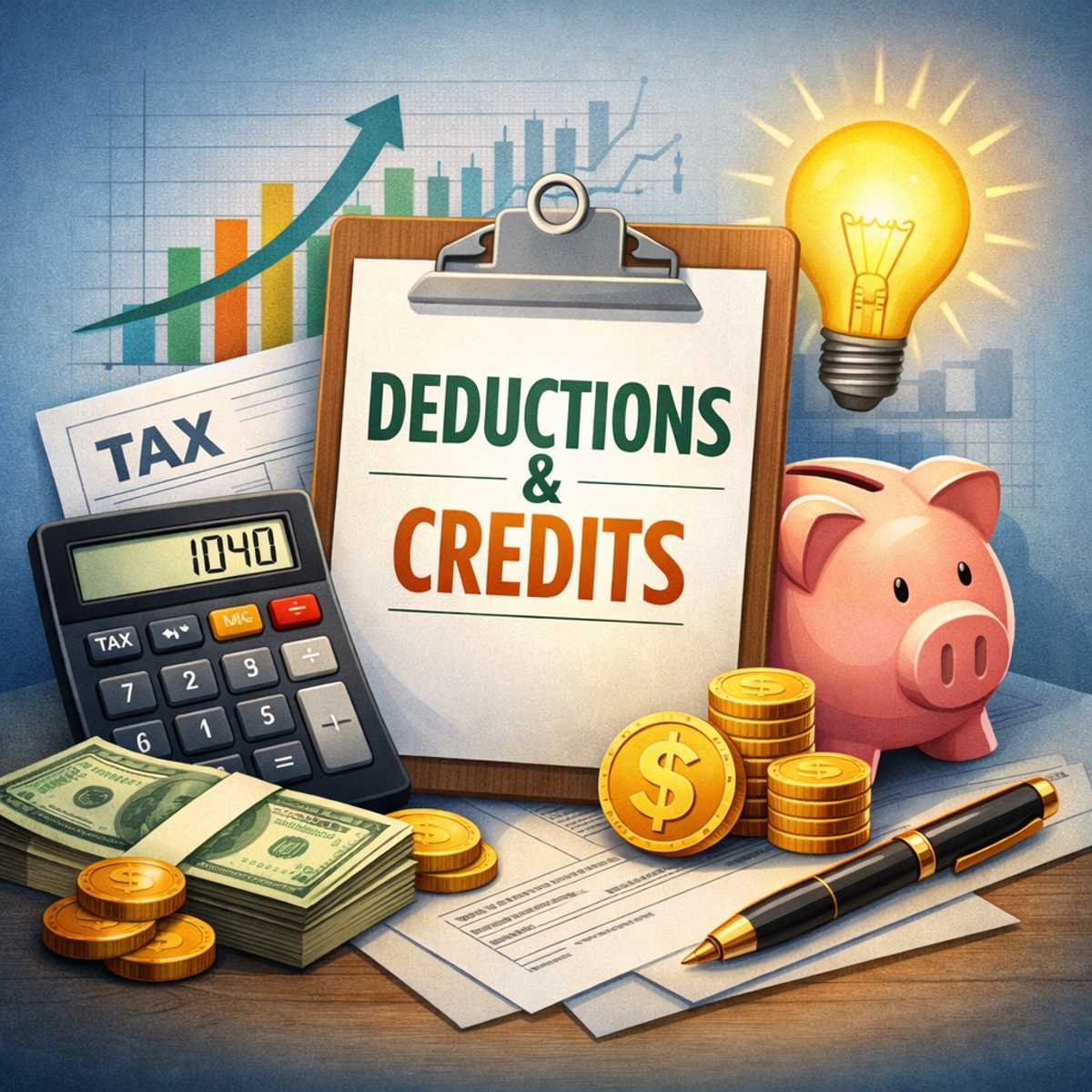
Maximizing Tax Deductions & Credits
Reduce Your Tax Bill with Smarter Planning Strategies
Understanding how to properly use tax deductions and credits is one of the most effective ways to legally reduce your tax burden and improve your overall financial strategy.
This guide helps you move beyond basic tax filing and into proactive tax planning—so you can:
- Lower your taxable income
- Take advantage of valuable tax credits
- Avoid missed opportunities
- Keep more of what you earn
Whether you’re filing as an individual, managing a household, or planning for retirement, this page gives you a structured path to make smarter tax decisions year-round.
🧭 Start Here: Deductions and Credits Planning Framework
If you’re unsure where to begin, follow this structured approach:
| Step | Focus | Outcome |
|---|---|---|
| 1. Understand | Learn the difference between deductions and credits | Clarity |
| 2. Evaluate | Compare standard deduction vs. itemizing | Better filing strategy |
| 3. Identify | Review eligible deductions | Lower taxable income |
| 4. Optimize | Identify available tax credits | Reduce taxes owed |
| 5. Document | Track receipts and records | Strong compliance |
| 6. Time | Plan expenses strategically | Maximize tax benefits |
| 7. Review | Reassess before filing | Avoid missed opportunities |
👉 Start with Step 1 and build your strategy step by step.
📌 What You’ll Learn on This Page
This section is designed to help you:
- Understand how deductions and credits impact your taxes
- Decide whether to itemize or take the standard deduction
- Identify common opportunities to reduce taxes
- Apply timing strategies to improve outcomes
- Build habits that support long-term tax efficiency
💡 Understanding Tax Deductions vs. Tax Credits
A strong tax strategy starts with knowing the difference:
Tax Deductions
- Reduce your taxable income
- Lower the amount of income subject to tax
- Value depends on your tax bracket
Tax Credits
- Reduce your tax bill directly
- Often more valuable than deductions
- May be refundable or nonrefundable
👉 In most cases, credits provide a greater benefit, but both play an essential role in tax planning.
⚖️ Standard Deduction vs. Itemizing
One of the most important decisions you make when filing taxes is whether to:
Take the Standard Deduction
- Simple and fast
- Fixed amount based on filing status
- Ideal for many taxpayers
Itemize Deductions
- Requires detailed documentation
- Beneficial if total deductions exceed the standard amount
- Often used by homeowners, high medical spenders, or large charitable donors
👉 Strategic planning (such as timing expenses) can make itemizing more advantageous in certain years.
🧾 Common Tax Deduction Opportunities
While eligibility varies, some of the most commonly used deductions include:
- Mortgage interest
- Charitable contributions
- Medical expenses above threshold limits
- State and local taxes (subject to caps)
- Retirement contributions (in certain cases)
Understanding which deductions apply to your situation is key to maximizing your results.
💵 Common Tax Credits to Review
Tax credits can significantly reduce your tax liability. Some important categories include:
- Education-related credits
- Child and dependent-related credits
- Saver’s credit for retirement contributions
- Energy-related credits (when applicable)
- Dependent care credits
👉 Credits often provide dollar-for-dollar tax savings, making them especially valuable.
⏱️ Timing Strategies That Can Improve Your Outcome
Tax planning isn’t just about what you claim—it’s also about when.
Strategic timing may include:
- Bunching charitable contributions into a single year
- Timing medical procedures to exceed deduction thresholds
- Accelerating or delaying deductible expenses
- Coordinating financial decisions before year-end
Small timing decisions can lead to meaningful tax savings over time.
📂 Why Documentation Matters
Proper documentation is critical for both maximizing deductions and protecting yourself in the event of an audit.
Key records to maintain include:
- Receipts and invoices
- Donation acknowledgments
- Mortgage interest statements
- Tuition and education forms
- Medical expense records
👉 Good record-keeping isn’t just compliance—it’s a tax optimization tool.
👥 Who This Page Is For
This guide is especially helpful for:
- Individuals looking to reduce their tax burden
- Families managing multiple tax credits and deductions
- Homeowners evaluating itemization strategies
- Retirees planning withdrawals and tax efficiency
- Self-employed individuals coordinating expenses
⭐ Featured Guides in This Section
Start with these key resources to go deeper:
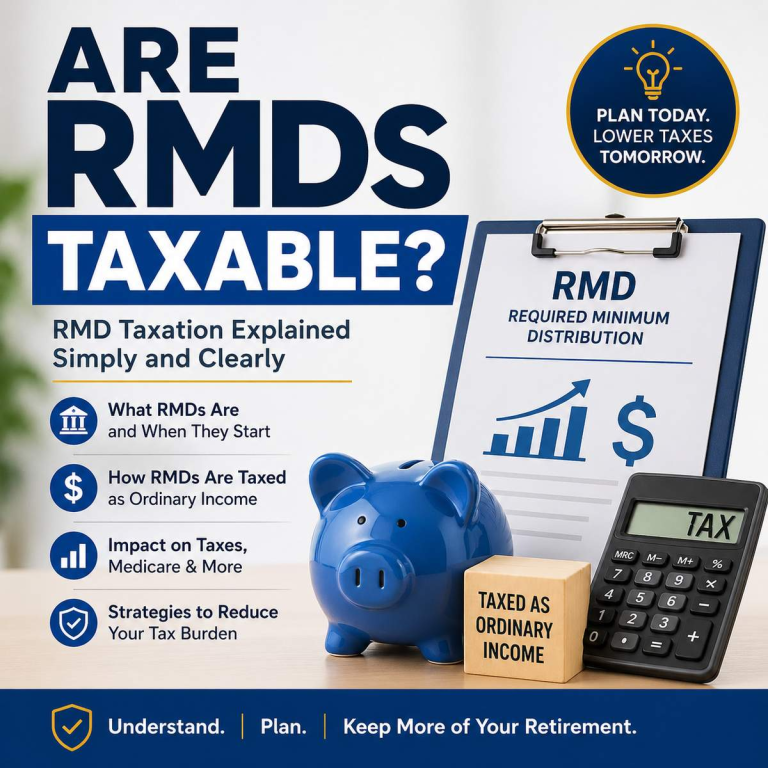
- RMD Taxation Explained – How Your Retirement Withdrawals Are Taxed
Understand how required distributions impact your tax situation - Roth IRAs vs. Traditional IRAs
Compare tax advantages across retirement strategies - Understanding Retirement Tax Planning
Learn how taxes affect long-term retirement outcomes - Maximizing Retirement Income Through Tax Planning
Optimize withdrawals and reduce tax drag
📰 Latest Articles on Deductions and Credits
Stay up to date with the latest strategies, insights, and tax planning updates:
-
RMD Taxation Explained – How Your Retirement Withdrawals Are Taxed
💡Quick Take -What Are RMD Taxes? Required Minimum Distribution (RMD) taxes refer to the income taxes you pay on mandatory withdrawals from tax-deferred retirement accounts such as Traditional IRAs, 401(k)s, and 403(b)s. 👉 Simple rule: If your retirement contributions were tax-deferred, your RMD withdrawals will be taxed when you take them. 👉 Bottom line: RMDs […]
-
Roth IRAs vs. Traditional IRAs: Navigating Retirement Tax Benefits
Key Takeaways Introduction: Mastering Your Retirement Savings with IRAs Are you ready to navigate the complex world of retirement savings? Individual Retirement Accounts (IRAs) are pivotal for anyone planning a financially secure retirement. Offering more than just a nest egg, IRAs provide significant tax benefits and adaptability to suit diverse financial landscapes. In this comprehensive […]
-
Understanding Retirement Tax Planning: A Beginner’s Guide
Key Takeaways Introduction Navigating the Path to a Tax-Savvy Retirement As we embark on the journey toward retirement, one of the most critical roadmaps we need is not just about saving but optimizing our nest egg in the face of taxes. Imagine sailing towards a serene retirement island, only to find that a portion of […]
-
Maximizing Your Retirement Income through Strategic Tax Planning
Key Takeaways Introduction: Mastering Tax Planning for a Fulfilling Retirement Retirement is often envisioned as a serene chapter of life, a well-earned respite after decades of diligence and saving. Yet, the specter of taxes looms large, threatening to cloud these golden years without careful navigation. Beyond mere savings, the art of enhancing retirement income lies […]
-
The Role of Required Minimum Distributions (RMDs) in Retirement Planning
Key Takeaways Introduction Imagine this: You’ve just celebrated your 72nd birthday, and amidst the joy and reflections on a life well-lived, you receive a letter about Required Minimum Distributions (RMDs) from your retirement account. Suddenly, you’re thrust into a world of tax codes, IRS regulations, and financial decisions that seem more complex than ever before. […]
-
How Tax Laws Affect Your Retirement Savings
Key Takeaways Introduction The Unseen Force Shaping Your Future: Navigating Tax Laws for Retirement Bliss Have you ever stopped to consider how the silent undercurrents of tax laws are sculpting the contours of your future retirement? Imagine standing at the threshold of your golden years, only to realize that the financial landscape you’re about to […]





❌ Common Mistakes to Avoid
Avoid these common tax planning pitfalls:
- Waiting until tax season to plan
- Missing eligible credits or deductions
- Failing to track expenses properly
- Ignoring timing strategies
- Treating taxes as separate from financial planning
👉 Tax planning works best when it’s part of your overall financial strategy—not an afterthought.
❓ Frequently Asked Questions
What is the difference between a tax deduction and a tax credit?
A tax deduction reduces your taxable income, while a tax credit reduces the amount of tax you owe directly.
Are tax credits better than deductions?
In most cases, yes—because credits provide a dollar-for-dollar reduction in your tax bill.
When should you itemize deductions?
You should itemize when your total deductions exceed the standard deduction for your filing status.
What records should I keep for deductions and credits?
Keep receipts, tax forms, donation records, and any documentation supporting your claims.
Can tax planning help reduce taxes legally?
Yes. Strategic tax planning helps you take advantage of legal opportunities to minimize your tax liability.
🏁 Conclusion
Maximizing deductions and credits isn’t about complexity—it’s about awareness and consistency.
By taking a structured approach, you can:
- Reduce your tax burden
- Improve financial decision-making
- Avoid costly mistakes
- Build long-term financial efficiency
👉 Start with one strategy today. Over time, these small decisions can lead to meaningful financial gains.
🔗 Continue Your Financial Journey
Take the next step in building your tax strategy: