
Introduction
What is Credit Utilization?
Credit utilization is a critical factor that directly influences your credit score. It refers to the percentage of your available credit limit that you’re using at any given time. For example, if you have a credit card with a $10,000 limit and a $2,000 balance, your utilization is 20%.
Understanding and managing your credit utilization is essential for anyone looking to improve their credit score, secure better interest rates, or achieve financial goals. In this comprehensive guide, we’ll break down the importance of credit utilization, how it’s calculated, and actionable steps you can take to keep it low and boost your credit score.
5 Key Takeaways
- Credit Utilization Is Crucial: It accounts for 30% of your FICO score, making it a major factor in your overall creditworthiness.
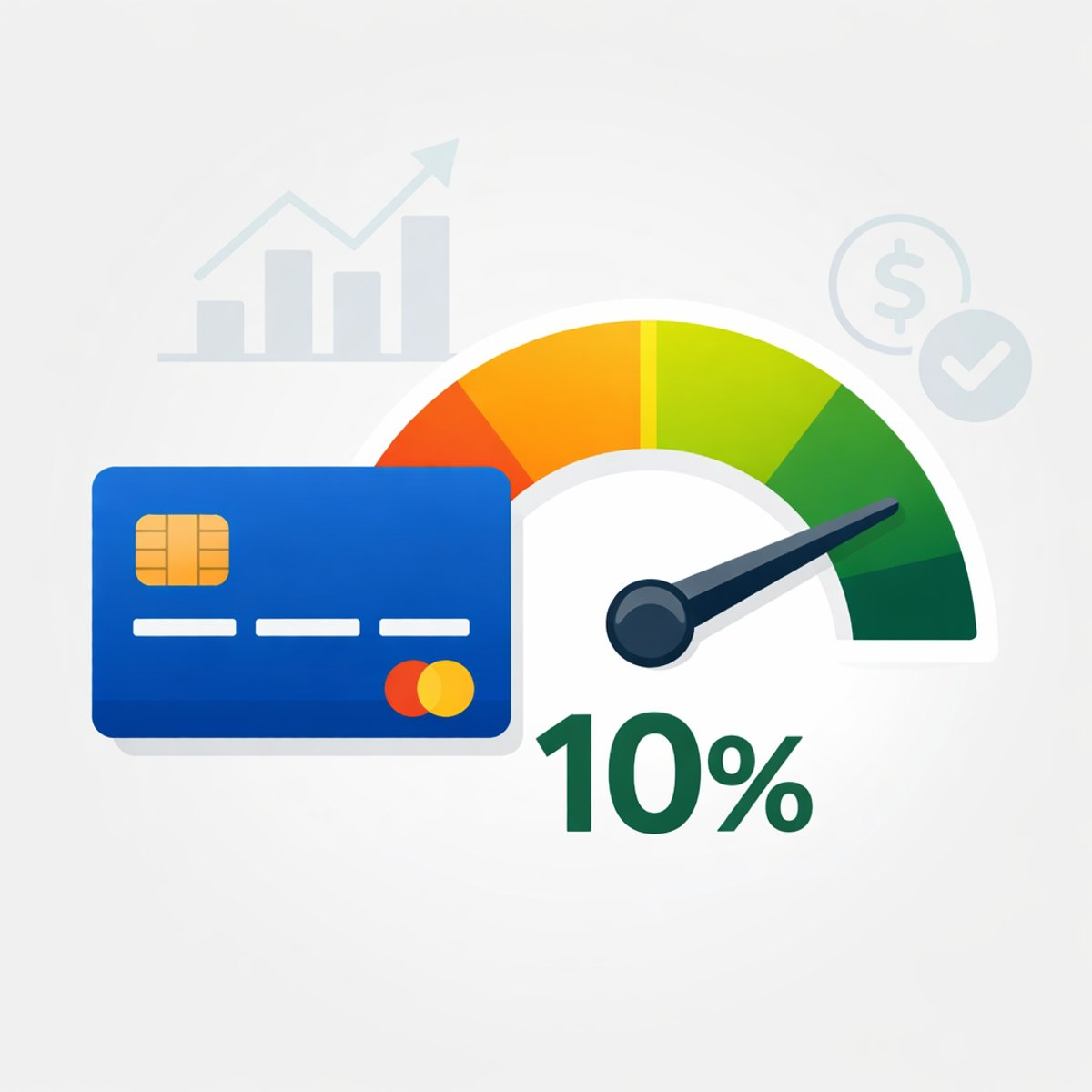
- Keep Utilization Low: Aim for a credit utilization rate of 10% or lower for the best impact on your score.
- Pay Early and Strategically: Paying balances before your statement date can instantly improve your utilization rate.
- Don’t Close Old Cards: Closing cards can hurt your utilization by reducing available credit, even if they have a zero balance.
- Monitor and Adjust Regularly: Use tools and apps to track your utilization, and address issues promptly to maintain a healthy credit profile.
⚡ Quick Answer – What Is Credit Utilization?
Credit utilization is the percentage of your available credit that you are currently using.
📌 Simple Formula:
Credit Utilization = (Current Balance ÷ Total Credit Limit) × 100
📊 Example:
- Credit Limit: $10,000
- Balance: $2,000
- Utilization: 20%
🎯 What’s the Ideal Credit Utilization?
- Excellent: Below 10%
- Good: 10%–30%
- Risky: Above 30%
👉 For the best credit score results, aim to keep your utilization as low as possible—ideally under 10%
⚠️ Why Credit Utilization Matters
Credit utilization makes up approximately 30% of your FICO score, making it one of the most influential factors in your credit profile.
- Lower utilization → Signals responsible credit use
- Higher utilization → Signals potential financial stress
👉 Even small reductions in utilization can lead to quick improvements in your credit score
📘 Understanding Credit Utilization
What Is Credit Utilization?
Credit utilization measures how much of your available credit you are currently using. It is expressed as a percentage and is calculated both:
- Per credit card (individual utilization)
- Across all accounts (overall utilization)
👉 Lenders and credit scoring models evaluate both, so managing each is important.
How Credit Utilization Is Calculated
📌 Simple Formula
Credit Utilization = (Total Balance ÷ Total Credit Limit) × 100
📊 Example: Individual vs. Overall Utilization
- Credit Card A:
$1,000 balance ÷ $5,000 limit = 20% utilization - Credit Card B:
$500 balance ÷ $5,000 limit = 10% utilization
📈 Overall Utilization Calculation
- Total Balance: $1,500
- Total Credit Limit: $10,000
👉 Overall Utilization = 15%
Individual vs. Overall Utilization (Why Both Matter)
Many people focus only on total utilization—but credit scoring models also evaluate each card individually.
- A maxed-out card (80–100%) can hurt your score
- Even if your overall utilization is low
👉 Best practice:
- Keep overall utilization below 30% (ideally under 10%)
- Keep each individual card below 30%
How Credit Scoring Models Use Utilization
Credit utilization is one of the most important components of your credit score.
- Makes up ~30% of your FICO Score
- Also heavily weighted in VantageScore
🔍 What Lenders See:
- Low utilization → Responsible credit use → Lower risk
- High utilization → Heavy reliance on credit → Higher risk
👉 Even if you pay on time, high utilization can still lower your score
Ideal Credit Utilization Levels
While 30% is often cited as a guideline, stronger credit profiles typically maintain much lower utilization.
📊 Credit Utilization Benchmarks
| Utilization Rate | Rating | Impact on Score |
|---|---|---|
| 0–10% | Excellent | Strong positive impact |
| 10–30% | Good | Acceptable range |
| 30–50% | Fair | May lower score |
| 50%+ | Poor | Significant negative impact |
👉 For best results, aim for under 10% utilization
📊 Example: Full Credit Utilization Breakdown
| Credit Card | Credit Limit | Balance | Utilization |
|---|---|---|---|
| Card A | $5,000 | $1,000 | 20% |
| Card B | $10,000 | $3,000 | 30% |
| Card C | $2,000 | $400 | 20% |
| Total | $17,000 | $4,400 | 25.9% |
💡 Key Takeaway
Credit utilization is not just about how much you owe—it’s about how much you owe relative to what you could borrow.
👉 Keeping your utilization low is one of the fastest and most effective ways to improve your credit score
📊 Credit Utilization Impact Guide
Understanding how lenders interpret your credit utilization can help you make smarter financial decisions and improve your credit score more efficiently.
📈 Utilization vs. Credit Score Impact
Your credit utilization level sends a strong signal to lenders about how you manage debt.
📊 Credit Utilization Breakdown
| Utilization Rate | Credit Score Impact | Lender Perception | Recommended Action |
|---|---|---|---|
| 0–10% | Excellent | Very low risk | Maintain this level |
| 10–30% | Good | Acceptable | Stay within range |
| 30–50% | Moderate impact | Elevated risk | Begin reducing balances |
| 50%+ | Negative impact | High risk | Take immediate action |
🎯 What This Means for You
- Staying below 30% helps protect your score
- Dropping below 10% can help maximize your score
- Rising above 50% signals potential financial stress
👉 Small changes in utilization can lead to noticeable credit score movement within a single billing cycle
🔍 Key Insight – Utilization Matters More Than You Think
Credit scoring models evaluate more than just payment history.
While on-time payments are critical, your utilization ratio plays a major role in determining your overall risk profile.
- High utilization suggests greater dependence on credit
- Low utilization signals financial control and stability
👉 You can have a perfect payment history and still see your score drop if your utilization is too high
💡 Pro Tip – Individual vs. Total Utilization
Many people focus only on overall utilization—but lenders and scoring models look at both:
📌 Two Levels That Matter:
1. Overall Utilization
- Total balances across all accounts ÷ total credit limits
2. Individual Card Utilization
- Balance ÷ limit on each specific card
⚠️ Why This Matters
- A single card at 80–100% utilization can hurt your score
- Even if your overall utilization appears low
👉 Example:
- Card A: 90% utilized
- Card B: 0% utilized
- Overall: 45%
➡️ Still considered high risk behavior
✅ Best Practice Strategy
- Keep overall utilization below 30% (target under 10%)
- Keep each individual card below 30%
- Avoid letting any card exceed 50% utilization
🧠 Strategic Takeaway
Credit utilization is one of the few credit factors you can control quickly and directly.
👉 Managing it effectively gives you the ability to:
- Improve your score faster
- Qualify for better rates
- Strengthen your overall credit profile
🧠 Why Credit Utilization Matters
Credit utilization is one of the most influential factors in your credit profile—and one of the few you can improve quickly.
Understanding how it impacts your credit score and financial opportunities can help you make smarter, more strategic decisions.
📊 Credit Utilization and Your Credit Score
Credit utilization measures how much of your available credit you are using—and it plays a major role in determining your creditworthiness.
- Accounts for approximately 30% of your FICO Score
- Heavily weighted in most modern credit scoring models
🔍 What High vs. Low Utilization Signals
- High utilization
→ Indicates reliance on credit
→ Suggests higher risk to lenders - Low utilization
→ Demonstrates financial control
→ Signals responsible credit management
👉 Even if you always pay on time, high utilization can still lower your score
⚠️ Example Financial Consequences
Your credit utilization doesn’t just affect your score—it directly impacts your financial opportunities.
📉 Potential Negative Outcomes of High Utilization
- Higher interest rates on credit cards, auto loans, and mortgages
- Reduced chances of loan approval
- Lower credit limits or account restrictions
- Credit card denials for new applications
🏠 Broader Financial Impacts
In some cases, your credit profile may also influence:
- Rental application approvals
- Security deposit requirements
- Employment screenings in certain industries
👉 Lenders and institutions use your credit behavior to assess overall financial reliability
📊 How Credit Utilization Fits Into Your Credit Score
Credit utilization is just one part of your overall credit profile—but it is one of the most impactful and controllable.
📈 Credit Score Factor Breakdown
| Factor | Weight (FICO Score) | What It Measures |
|---|---|---|
| Payment History | 35% | On-time payments and account reliability |
| Credit Utilization | 30% | Credit used vs. total available credit |
| Length of Credit History | 15% | Average age of accounts |
| Credit Mix | 10% | Variety of credit types |
| New Credit | 10% | Recent applications and inquiries |
💡 Key Insight – Why Utilization Deserves Your Attention
Unlike factors such as credit history length, credit utilization can change quickly.
👉 That means:
- You can improve your score within one billing cycle
- Small adjustments can lead to measurable results
🧭 Strategic Takeaway
Managing your credit utilization effectively helps you:
- Improve your credit score faster
- Qualify for better interest rates
- Increase approval odds for loans and credit cards
- Build long-term financial flexibility
👉 Credit utilization isn’t just a number—it’s a signal of financial behavior that lenders take seriously
🛠️ Strategies to Improve Credit Utilization
Improving your credit utilization doesn’t require complex tactics—just consistent, strategic adjustments.
The key is to lower your reported balances relative to your available credit while maintaining responsible usage habits.
💳 Pay Balances Early and Often
Most people wait until the due date—but that’s not what gets reported to credit bureaus.
👉 Your balance is typically reported at the statement closing date, not the payment due date.
✅ Best Practice:
- Pay your balance before the statement closes
- Make multiple payments per month if needed
💡 Result: Lower reported balances → Lower utilization → Potential score boost within one cycle
📈 Increase Your Credit Limits
Increasing your credit limit can instantly lower your utilization—without reducing spending.
📊 Example:
- Before: $1,000 balance ÷ $5,000 limit = 20% utilization
- After: $1,000 balance ÷ $10,000 limit = 10% utilization
📌 How to Request a Credit Limit Increase:
- Log into your account or contact your issuer
- Ensure a strong payment history
- Request increases after income growth or score improvement
⚠️ Note: Some issuers may perform a hard inquiry—confirm before proceeding
🔄 Spread Spending Across Multiple Cards
Using one card heavily—even if your overall utilization is low—can hurt your score.
✅ Strategy:
- Distribute spending across multiple cards
- Keep each card below 30% (ideally under 10%)
📊 Example:
- $1,000 on one card → 20% utilization
- Split across two cards → 10% each
👉 Lower per-card utilization = stronger credit profile
📉Pay Down High Balances Strategically
Focus on reducing balances where utilization is highest.
🔍 Two Proven Methods:
- Snowball Method → Pay off smallest balances first (build momentum)
- Avalanche Method → Pay off highest-interest balances first (save money)
👉 Both approaches improve utilization—but choose the one you’ll stick with
⚠️ Avoid Closing Credit Cards
Closing accounts reduces your total available credit—which can increase your utilization ratio.
📌 Better Approach:
- Keep older accounts open
- Use them occasionally (small purchases + pay off)
👉 This preserves:
- Credit limit (helps utilization)
- Length of credit history (helps score)
🔁 Use Balance Transfers or Consolidation
If utilization is high, restructuring debt can accelerate improvement.
Options to Consider:
- Balance transfer cards (0% introductory APR)
- Personal loans for consolidation
👉 Benefits:
- Lower utilization
- Simplified payments
- Potential interest savings
⚠️ Always review fees and terms before transferring balances
🤖 Automate and Track Your Payments
Consistency is key to maintaining low utilization.
✅ Smart Habits:
- Set up automatic payments
- Track balances weekly
- Set alerts when utilization exceeds targets
👉 Automation reduces missed payments and prevents balance buildup
📊 Monitor Your Credit Report Regularly
Errors can inflate your utilization without you realizing it.
📌 What to Check:
- Incorrect balances
- Missing credit limits
- Duplicate accounts
👉 Disputing errors can lead to immediate utilization improvements
📋 Strategy Comparison Table
| Strategy | Impact Level | Time Frame | Best For |
|---|---|---|---|
| Pay balances early | Immediate | 1 billing cycle | Quick score improvements |
| Increase credit limits | Medium–High | 1–2 weeks | Lowering utilization instantly |
| Spread spending | Medium | Ongoing | Maintaining low per-card usage |
| Pay down balances | High | 1–3 months | Long-term improvement |
| Balance transfers | High | 1–2 months | High utilization situations |
| Automate payments | Medium | Immediate | Consistency and prevention |
| Monitor credit reports | High | Ongoing | Fixing hidden issues |
🧠 Strategic Insight – Focus on What Moves the Needle
Not all strategies are equal.
👉 The fastest ways to improve your utilization:
- Pay balances before statement closing
- Reduce high-utilization accounts
- Increase available credit (responsibly)
🧭 Action Plan – Where to Start
If you’re unsure where to begin:
- Check your current utilization (overall + per card)
- Pay down your highest-utilization account first
- Set a goal to reach under 30% → then optimize to under 10%
📉 Before vs. After – How Utilization Changes Your Score
One of the most compelling aspects of credit utilization is how quickly it can impact your credit score.
Unlike long-term factors like credit history, utilization changes can produce noticeable results within a single billing cycle.
📊 Example Scenario Comparison
Let’s look at how reducing utilization can transform a credit profile.
📉 Before vs. After Breakdown
| Scenario | Balance | Credit Limit | Utilization | Credit Impact |
|---|---|---|---|---|
| Before | $5,000 | $10,000 | 50% | Negative impact |
| After | $1,000 | $10,000 | 10% | Strong positive impact |
🔍 What Changed?
- Balance reduced by $4,000
- Utilization dropped from 50% → 10%
- Risk perception improved significantly
👉 This type of change can lead to meaningful credit score improvement, especially if high utilization was previously dragging your score down.
💡 Real-World Insight
Even smaller changes can matter:
- Dropping from 35% → 25% may improve your score
- Dropping below 10% can help maximize your score
👉 Credit scoring models reward lower utilization tiers—not just large reductions
⏱️ Timeline of Credit Score Improvement
Credit utilization updates based on when lenders report your balances—typically once per billing cycle.
📆 Typical Timeline
| Action | When It Happens | Impact Timing |
|---|---|---|
| Pay down balance | Today | Immediate (internally) |
| Statement closes | End of billing cycle | New balance reported |
| Credit bureaus update | Within days | Score may change |
| Score reflects improvement | 1–4 weeks | Visible improvement |
⚡ Fast-Track Strategy
To accelerate results:
- Pay balances before your statement closing date
- Focus on high-utilization accounts first
- Avoid new charges before reporting
👉 This ensures lower balances are what get reported—not just what you owe after the due date
🧠 Key Takeaway
Credit utilization is one of the few factors where:
- You can take action today
- See results within weeks
- And continue improving over time
👉 Small, consistent reductions in utilization can lead to compounding improvements in your credit profile
🧰 Tools to Monitor Credit Utilization
Monitoring your credit utilization consistently is essential for maintaining a strong credit profile.
The right tools can help you:
- Track your utilization in real time
- Identify issues early
- Take action before your score is impacted
📊 Credit Monitoring Services
Several tools allow you to monitor your credit utilization, balances, and overall credit health.
🆓 Free Options
- Credit Karma
→ Tracks credit scores, utilization, and account activity - Credit Sesame
→ Offers monitoring tools and identity protection features
💳 Paid Options
- Experian CreditWorks
→ Provides detailed FICO score tracking and daily updates - myFICO
→ Offers comprehensive access to multiple FICO Score versions
🔔 Alerts and Notifications
Many credit card issuers and apps allow you to set alerts based on your credit usage.
✅ Recommended Alerts:
- When your balance exceeds 10%, 20%, or 30% of your limit
- When a new charge posts
- When your statement closes
👉 These alerts help you take action before high utilization is reported
📄 Regular Credit Report Reviews
Reviewing your credit reports ensures your utilization is being reported accurately.
📌 Where to Check:
- AnnualCreditReport.com
🔍 What to Look For:
- Incorrect balances
- Missing or inaccurate credit limits
- Duplicate or outdated accounts
👉 Errors can artificially increase your utilization—disputing them can lead to quick score improvements
📊 Tool Comparison Overview
| Tool | Free/Paid | Key Features | Best For |
|---|---|---|---|
| Credit Karma | Free | Score tracking, utilization alerts | Everyday monitoring |
| Credit Sesame | Free | Credit monitoring, identity tools | Basic protection + tracking |
| Experian CreditWorks | Paid | FICO scores, daily updates | Detailed tracking |
| myFICO | Paid | Multi-score analysis, reports | Advanced credit insights |
🧠 Strategic Insight – Use Tools to Stay Proactive
Monitoring your credit isn’t just about checking your score—it’s about managing behavior in real time.
👉 The most effective approach:
- Track utilization weekly
- Set alerts for thresholds
- Act before balances are reported
🧭 Action Step
If you’re not already using a tool:
- Start with a free monitoring service
- Set utilization alerts at 10% and 30% thresholds
- Review your credit report at least once per year
⚠️ Common Credit Utilization Mistakes to Avoid
Even small missteps in how you manage credit utilization can have an outsized impact on your credit score.
Understanding these common mistakes—and how to avoid them—can help you protect and improve your credit profile over time.
💳 Relying Too Heavily on One Card
Using a single credit card for most of your expenses can lead to high individual utilization—even if your overall utilization looks reasonable.
⚠️ Why This Hurts
- A single card with high utilization (50%+) signals elevated risk
- Credit scoring models evaluate per-card usage, not just totals
✅ Better Approach
- Spread spending across multiple cards
- Keep each card below 30% (ideally under 10%)
👉 Balanced usage across accounts creates a stronger credit profile
💡 Carrying a Balance to “Build Credit”
A common myth is that carrying a balance improves your credit score. In reality, this is not true.
⚠️ Why This Hurts
- Carrying a balance increases utilization
- You pay unnecessary interest charges
- It does not improve your score beyond responsible usage
✅ Better Approach
- Pay your balance in full each month
- Focus on keeping utilization low—not carrying debt
👉 Responsible usage—not interest payments—is what builds strong credit
🚫 Closing Old Credit Cards
Closing unused credit cards may seem like a good idea—but it can negatively impact your utilization.
⚠️ Why This Hurts
- Reduces your total available credit
- Increases your overall utilization ratio
- May shorten your credit history over time
✅ Better Approach
- Keep older accounts open
- Use them occasionally (small purchases + pay off)
👉 Keeping accounts open helps maintain both utilization and credit history
🧾 Ignoring Small Balances
Small balances can quietly accumulate and increase your utilization over time.
⚠️ Why This Hurts
- Multiple small balances add up across accounts
- Can push utilization above key thresholds (10%, 30%)
✅ Better Approach
- Pay off all balances regularly—even small ones
- Review statements monthly for overlooked charges
👉 Small balances still count toward your utilization—and your score
🧭 Overlooking Overall Credit Strategy
Focusing only on one aspect of credit (like utilization) without a broader plan can limit your progress.
⚠️ Why This Hurts
- Ignores other key factors like payment history and credit mix
- Leads to inconsistent or reactive financial decisions
✅ Better Approach
- Manage utilization alongside:
- On-time payments
- Credit history length
- Responsible new credit usage
🧠 Think Holistically About Credit Health
Your credit score is built on multiple factors working together.
👉 The most effective strategy is to:
- Keep utilization low
- Pay on time consistently
- Maintain long-standing accounts
- Use credit intentionally—not reactively
🧠 Key Takeaway
Avoiding these common mistakes can help you:
- Prevent unnecessary drops in your credit score
- Improve your credit profile more efficiently
- Build long-term financial flexibility
👉 Smart credit management is not just about what you do—it’s also about what you avoid
📊 Credit Utilization Optimization Checklist
Use this checklist to consistently manage and improve your credit utilization over time. Small, repeatable actions can lead to meaningful improvements in your credit score.
📅 Monthly Monitoring Habits
Stay proactive by reviewing your credit usage regularly.
✅ What to Do Each Month
- Check balances across all credit cards
- Keep overall utilization below 30% (target under 10%)
- Pay balances before the statement closing date
- Review recent transactions for accuracy
- Track your credit score and utilization trends
👉 Consistency at the monthly level prevents small issues from becoming larger problems
⚙️ Optimization Strategies
Focus on strategies that actively reduce your utilization and strengthen your credit profile.
🚀 High-Impact Actions
- Pay down high-utilization accounts first
- Request credit limit increases (without increasing spending)
- Spread purchases across multiple cards
- Make multiple payments throughout the month
- Use balance transfer options when appropriate
👉 These strategies help lower your reported utilization quickly and effectively
⚠️ Mistakes to Avoid
Avoid common behaviors that can unintentionally increase your utilization.
🚫 Watch Out For
- Maxing out a single credit card
- Closing old accounts and reducing available credit
- Carrying balances unnecessarily
- Ignoring small balances across multiple cards
- Waiting until the due date instead of the statement date
👉 Avoiding these mistakes is just as important as applying the right strategies
📊 Annual Review
Take a step back each year to evaluate your overall credit strategy.
🔍 What to Review Annually
- Total available credit vs. total balances
- Trends in your utilization over time
- Accuracy of your credit reports
- Opportunities to increase credit limits
- Progress toward financial and credit goals
👉 Annual reviews help ensure your strategy stays aligned with your long-term financial plan
🧠 Strategic Insight – Why Small Changes Matter
Credit utilization is one of the few credit factors you can influence quickly.
👉 Small improvements—like reducing utilization from 35% to 25%—can lead to measurable score gains.
Over time, these incremental changes compound, helping you:
- Build a stronger credit profile
- Qualify for better rates and terms
- Maintain long-term financial flexibility
🧠 The Psychology of Credit Utilization
Managing credit utilization isn’t just about numbers—it’s about behavior, habits, and decision-making. Understanding the psychological side of credit can help you stay consistent and avoid patterns that negatively impact your score.
🎯 Understanding Spending Triggers
Many credit utilization issues stem from unconscious spending behaviors rather than intentional decisions.
🔍 Common Triggers
- Emotional spending (stress, boredom, reward-based purchases)
- Convenience-driven spending (using credit without tracking)
- Lifestyle inflation as income increases
- “Available credit = available money” mindset
👉 These triggers can quietly increase balances and push utilization higher over time
🧠 Behavioral Strategies for Control
Improving utilization often comes down to building better financial habits.
✅ Practical Strategies
- Set a personal utilization cap (e.g., never exceed 20%)
- Use alerts to monitor spending in real time
- Pause before large purchases (“24-hour rule”)
- Track expenses weekly—not just monthly
- Use debit or cash for discretionary spending when needed
👉 Awareness + structure = better control over utilization
🔁 Building Sustainable Credit Habits
Long-term success comes from consistency—not short-term fixes.
🏗️ Habits That Work
- Pay balances before statement closing dates
- Review accounts regularly
- Keep spending aligned with your budget
- Treat credit as a tool—not an extension of income
👉 Strong habits reduce reliance on willpower and make good credit behavior automatic
🚀 Long-Term Benefits of Low Credit Utilization
Maintaining low credit utilization doesn’t just improve your score—it strengthens your overall financial position over time.
📈 Building a Strong Credit Profile
Consistently low utilization signals reliability and financial discipline.
💡 Benefits
- Higher credit scores over time
- Stronger credit history and profile stability
- Increased confidence from lenders
👉 This foundation supports long-term financial growth
💰 Lower Interest Rates and Better Approvals
Lenders reward borrowers who demonstrate responsible credit usage.
📊 What You May Qualify For
- Lower interest rates on loans and credit cards
- Higher approval odds for mortgages, auto loans, and credit lines
- Better credit card offers (rewards, limits, perks)
👉 Even small improvements in your score can translate into meaningful savings
🧭 Financial Flexibility and Peace of Mind
Low utilization provides breathing room and reduces financial stress.
🌱 Long-Term Advantages
- Access to credit when you need it
- Lower risk of overleveraging
- Greater control over your financial decisions
- Increased confidence in managing money
👉 Strong credit habits lead to both financial stability and peace of mind
🧠 Behavioral Finance Mini-Framework: The “A.C.T.” Method
Most credit utilization problems aren’t technical—they’re behavioral.
This simple framework helps you recognize, control, and improve your credit habits over time.
🔍 A — Awareness
You can’t improve what you don’t track.
What to Focus On:
- Your current utilization (overall + per card)
- Spending patterns (when and why you use credit)
- Emotional triggers (stress, impulse, convenience)
👉 Awareness turns unconscious behavior into intentional decisions
⚙️ C — Control
Once you understand your patterns, you can start controlling outcomes.
Practical Control Systems:
- Set a personal utilization cap (e.g., 20%)
- Use alerts for spending thresholds
- Pay balances before statement dates
- Limit high-risk spending categories
👉 Control reduces variability and prevents utilization spikes
🔁 T — Track & Adjust
Credit behavior is not “set it and forget it”—it’s iterative.
Ongoing Adjustments:
- Review utilization weekly or biweekly
- Adjust spending if balances creep up
- Reallocate usage across cards
- Refine your system over time
👉 Small adjustments compound into long-term credit improvement
🧠 Framework Summary
| Step | Focus | Outcome |
|---|---|---|
| Awareness | Understand behavior | Identify problems early |
| Control | Set limits and systems | Reduce risk |
| Track & Adjust | Monitor and refine | Continuous improvement |
💡 Strategic Insight
The difference between average and excellent credit is rarely knowledge—it’s consistent behavior over time.
👉 Systems beat willpower every time.
🚀 Credit Habits Roadmap: From High Utilization to Excellent Credit
🟢 Phase 1: Awareness & Baseline
- Calculate current utilization
- Identify high-balance accounts
- Review credit report
👉 Goal: Understand where you stand
🟡 Phase 2: Stabilization
- Bring utilization below 50%
- Stop adding new debt
- Begin consistent payments
👉 Goal: Reduce immediate risk
🔵 Phase 3: Optimization
- Lower utilization below 30%
- Pay before statement dates
- Spread usage across cards
👉 Goal: Enter “good credit” range
🟣 Phase 4: Excellence
- Maintain utilization below 10%
- Increase credit limits strategically
- Automate and monitor
👉 Goal: Maximize credit score potential
🟠 Phase 5: Maintenance & Growth
- Maintain low utilization long-term
- Use credit strategically (not reactively)
- Align credit use with financial goals
👉 Goal: Sustain elite credit profile
🧠 Key Takeaway
Improving credit utilization isn’t about a single action—it’s a progression of habits and systems.
👉 The most successful approach:
- Build awareness
- Apply control systems
- Continuously adjust
❓ Frequently Asked Questions
These are some of the most common questions about credit utilization, based on how people actually search and think about their credit.
💳 Does Paying Early Improve Credit Utilization?
Yes—paying early can significantly improve your credit utilization.
Most credit card issuers report your balance to the credit bureaus at the statement closing date, not the payment due date.
✅ Why This Matters
- Paying before the statement closes lowers your reported balance
- Lower reported balance = lower utilization
- Lower utilization can improve your credit score
👉 Even if you pay in full later, a high balance reported earlier can still impact your score
📊 Is 30% Credit Utilization Bad?
Not necessarily—but it’s not optimal.
- Below 30% → Generally considered acceptable
- Below 10% → Typically produces the best credit score results
⚠️ Key Insight
30% is more of a maximum guideline, not a target.
👉 If your goal is to maximize your credit score, aim for under 10% utilization
⏱️ How Fast Can Utilization Affect My Score?
Very quickly.
Credit utilization can impact your score as soon as new balances are reported—usually within one billing cycle.
📆 Typical Timeline
- You pay down a balance → Immediate internal change
- Statement closes → New balance reported
- Credit bureaus update → Score may change within days
👉 This makes utilization one of the fastest ways to improve your credit score
📉 Does 0% Utilization Help or Hurt Your Score?
It depends.
- 0% utilization occasionally → Neutral to slightly positive
- 0% utilization all the time → May not maximize your score
⚖️ Why?
Credit scoring models often reward active but low usage, not complete inactivity.
✅ Best Practice
- Keep utilization very low (1–10%)
- Allow small balances to report occasionally
- Pay off balances consistently
👉 This demonstrates both usage and control
🔗 Continue Your Credit & Debt Learning
Build on your knowledge with these next steps in your financial journey:
- 💳 Managing Credit Card Debt Effectively
- 📊 Credit Score Fundamentals and Improvement Strategies
- 📉 Credit Repair Techniques & Rebuilding Credit
- 🧭 Creating a Personalized Financial Plan
The Financial Planning Roadmap
A clear framework to help you build financial stability in logical stages.
→ View the Roadmap
Jason’s Fin Tips Budgeting Frameworks
Learn how to choose and implement a budgeting style that fits your financial life.
→ Learn About Budgeting Frameworks
Return to:
👉 A structured approach to learning helps you move from understanding concepts to applying them effectively
🧭 Conclusion
Credit utilization is one of the most powerful—and controllable—factors in your credit score.
Unlike other elements of your credit profile, it can change quickly and deliver measurable results within a short period of time.
🎯 Key Takeaways
- Keep utilization below 30% (target under 10%)
- Pay balances before statement closing dates
- Monitor both overall and per-card utilization
- Avoid common mistakes like closing accounts or carrying unnecessary balances
🚀 Your Next Step
Start by taking one simple action today:
- Pay down a high-balance card
- Set up utilization alerts
- Review your current credit usage
👉 Small, consistent improvements can lead to meaningful long-term results
🧠 Final Thought
Strong credit isn’t built through one decision—it’s built through consistent habits over time.
By managing your credit utilization effectively, you position yourself for:
- Better financial opportunities
- Lower borrowing costs
- Greater long-term financial flexibility
