
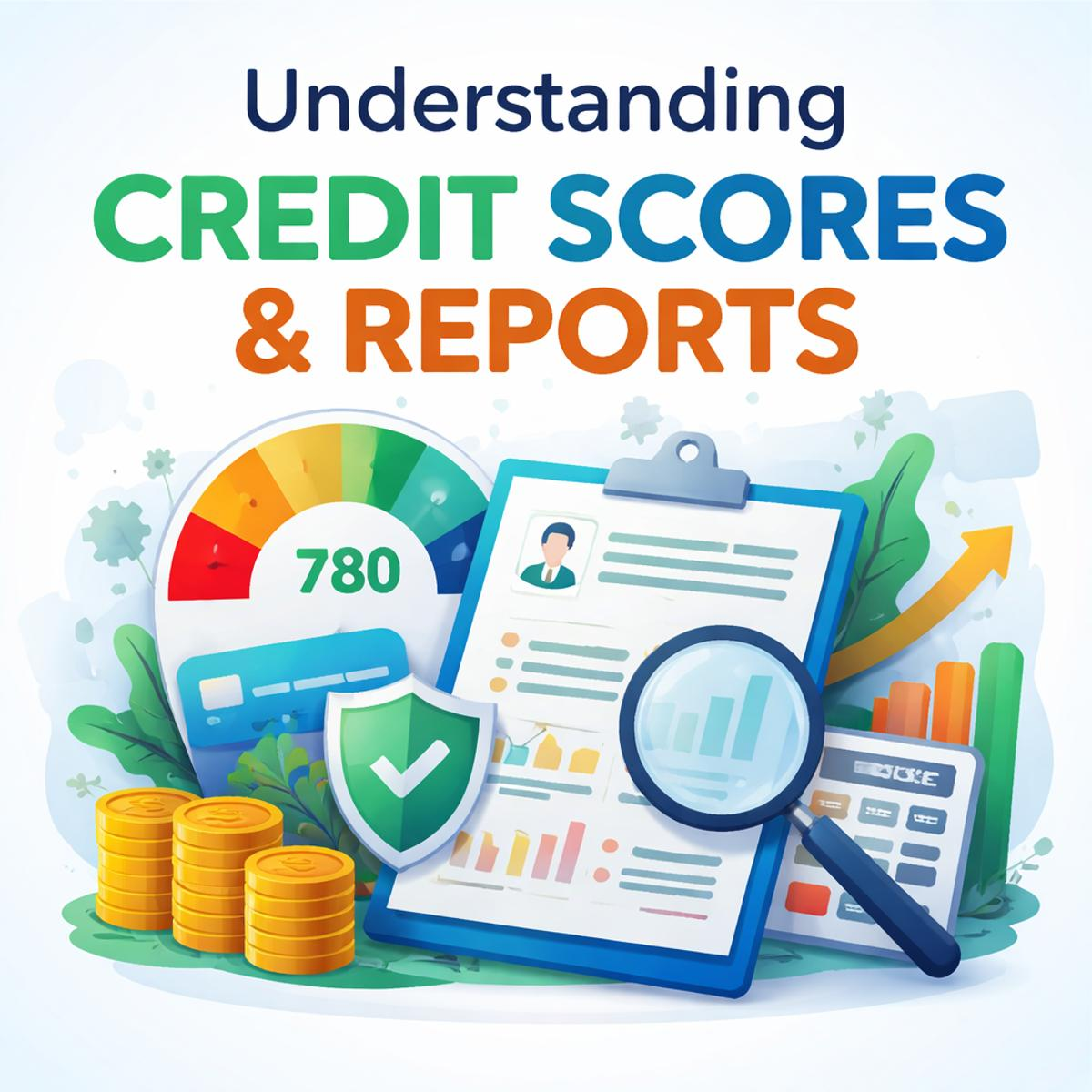
📄 Understanding Credit Scores & Reports
Learn How Credit Works, What Affects Your Score, and How to Protect Your Credit Profile
Your credit score and credit report play a major role in your financial life. They can affect whether you qualify for loans, the interest rates you pay, and even some housing or employment decisions.
Understanding how credit works helps you make better borrowing decisions, spot problems early, and build a stronger financial foundation over time.
This page is designed to help you explore the essentials of credit scores and credit reports, including how they work, what affects them, how to review your credit history, and how to improve and protect your credit profile.
👉 Use this page as your starting point, then explore the latest articles below for more detailed guidance map to build, optimize, and manage your credit with confidence.
⚡ Quick Answer: What Is a Credit Score?
A credit score is a number (typically 300–850) that represents your creditworthiness. It is based on your payment history, credit usage, account age, new credit activity, and credit mix. Lenders use it to evaluate risk and determine loan approvals and interest rates.
🧭 Start Here: Credit Scores & Reports Roadmap
If you’re not sure where to begin, follow this simple path:
| Phase | Focus | What You Gain |
|---|---|---|
| 1. Understand the Basics | Learn what credit scores and reports are | Clarity |
| 2. Learn the Key Factors | Understand what affects your score | Awareness |
| 3. Review Your Credit Report | Learn what to check and why it matters | Confidence |
| 4. Improve Your Credit Habits | Build stronger long-term behavior | Progress |
| 5. Protect Your Credit | Monitor for fraud and errors | Security |
| 6. Use Credit Strategically | Make smarter borrowing decisions | Financial strength |
👉 Start with the basics, then move step by step toward improving and protecting your credit.
📘 What This Section Covers
This subcategory brings together content to help you better understand and manage your credit.
Topics in this section include:
- What a credit score is and why it matters
- How credit scores are calculated
- The difference between credit scores and credit reports
- How to access and review your credit report
- The role of Equifax, Experian, and TransUnion
- Common credit report errors and how to dispute them
- Soft vs. hard inquiries
- Credit monitoring, fraud alerts, and freezes
- How credit affects loan approvals and borrowing costs
- Practical ways to improve and maintain a stronger credit profile
👉 Explore the posts below to build a deeper understanding of how credit works and how to use it wisely.
📊 Credit Score Factors at a Glance
| Factor | General Impact |
|---|---|
| Payment History | Strong impact |
| Credit Utilization | Strong impact |
| Length of Credit History | Moderate impact |
| New Credit Inquiries | Lower impact |
| Credit Mix | Lower impact |
👉 Strong credit usually comes from consistent habits over time, not quick fixes.
💡 How Your Credit Score Impacts Your Finances
| Credit Score | Likely Outcome |
|---|---|
| Low Score | Higher interest rates, limited approvals |
| متوسط Score | Moderate rates, conditional approvals |
| High Score | Lower rates, better terms, more options |
👉 Even a 50–100 point improvement can significantly reduce borrowing costs over time.
⚠️ Common Credit Mistakes to Avoid
Many credit problems come from a few avoidable mistakes, such as:
- Missing payments
- Carrying high balances relative to credit limits
- Applying for too much new credit at once
- Ignoring errors on your credit report
- Closing older accounts without understanding the effect
👉 Even small improvements in your habits can make a meaningful difference over time.
⭐ Start With These Key Articles
If you’re new to credit, start here:
- What Is a Credit Score?
- How to Read Your Credit Report
- Factors That Affect Your Credit Score
- How to Improve Your Credit Score
👉 These foundational guides will help you understand the basics before exploring more advanced topics below.
📰 Latest Articles on Credit Scores & Reports
-
How to Negotiate Better Loan Rates — Insider Strategies to Lower Your Borrowing Costs
💡 Quick Answer: How Do You Actually Negotiate a Loan Rate? Yes—you can negotiate loan rates, especially with banks and lenders who want your business.The key is to bring competing offers, show strong financials, and ask directly using clear, confident language. ✅ Most Effective Approach 👉 Even a 0.25% reduction can save thousands over time, […]
-
The Art of Negotiating Loan Rates – How to Advocate for Better Terms
1. 💡 Quick Answer: Best Tips for Negotiating Loan Rates 👉 Even small improvements—like a 0.5% rate reduction—can save thousands over the life of a loan. 2. 🧭 Introduction — Mastering the Art of Loan Negotiation In a high-rate environment like 2025, negotiation isn’t just smart — it’s essential. Even modest rate reductions can translate […]
-
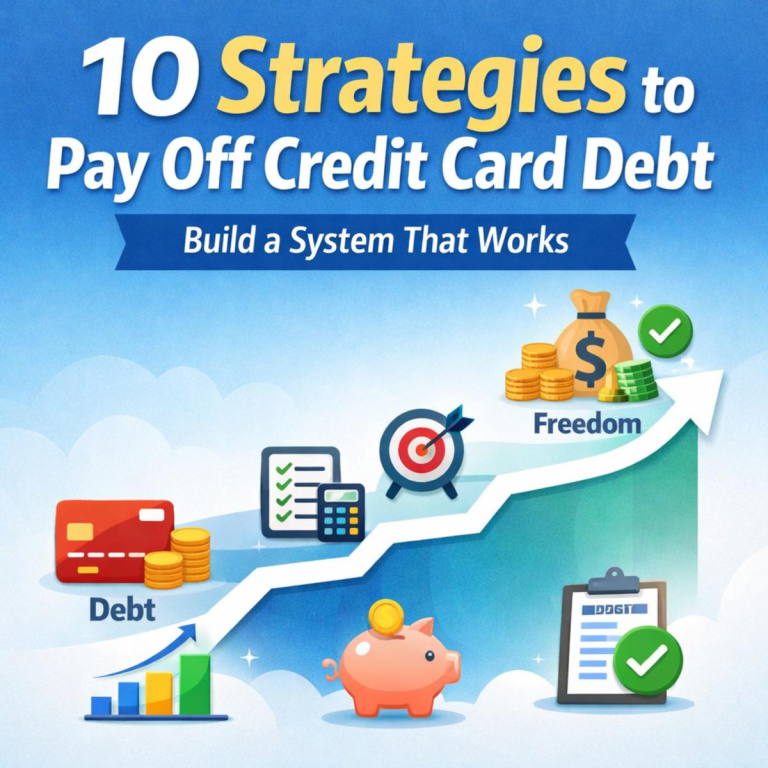
10 Proven Credit Card Payment Strategies to Pay Off Debt Faster (And Build a System That Works)
⚡ Quick Answer: How to Pay Off Credit Card Debt The fastest way to pay off credit card debt is to follow a clear, consistent system: 👉 The key to success isn’t choosing the “perfect” strategy—it’s choosing one you can follow consistently over time. 🔥 Key Takeaways 🧭 How to Tackle Credit Card Debt Step-by-Step […]
-
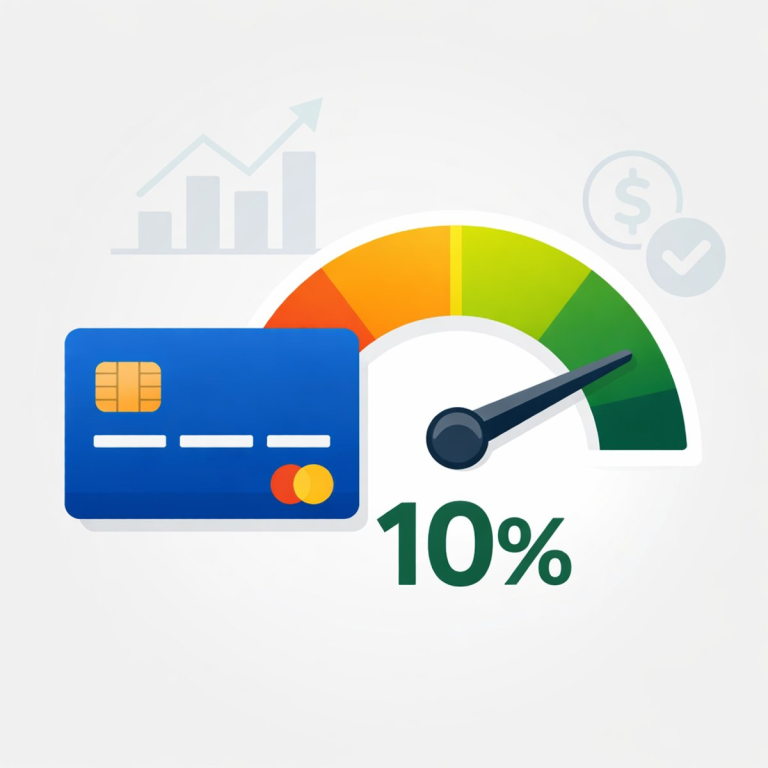
How Credit Utilization Impacts Your Score and Ways to Improve It
Introduction What is Credit Utilization?Credit utilization is a critical factor that directly influences your credit score. It refers to the percentage of your available credit limit that you’re using at any given time. For example, if you have a credit card with a $10,000 limit and a $2,000 balance, your utilization is 20%. Understanding and […]
-
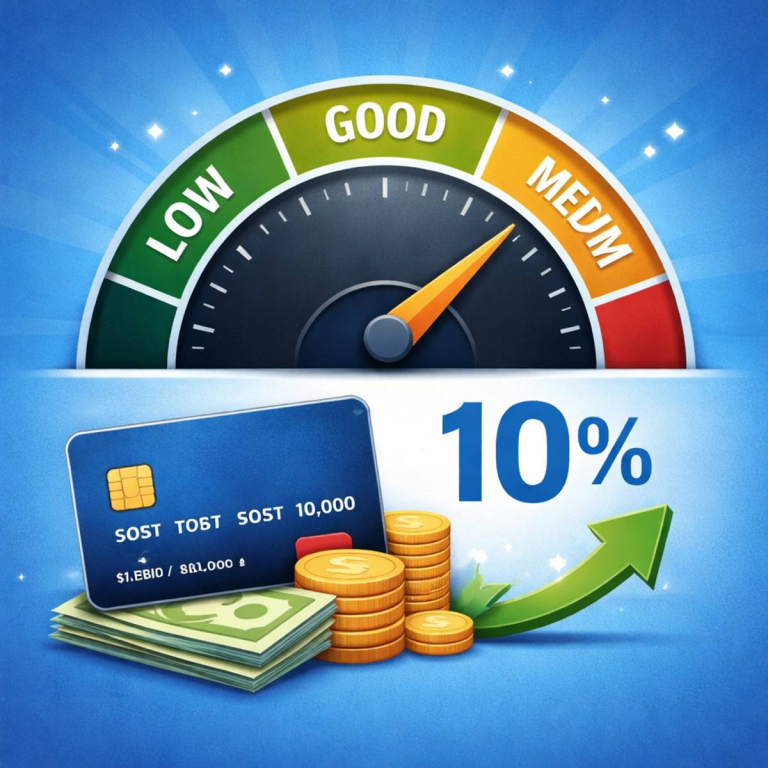
Credit Utilization Explained: How to Lower It Fast and Improve Your Score
🧭 Introduction – Why Credit Utilization Matters More Than You Think Credit utilization is one of the most powerful—yet often overlooked—factors influencing your credit score. At its core, it represents how much of your available revolving credit you are currently using. While it may seem like a simple percentage, it plays a critical role in […]
-
How to Clean Up Your Credit Report Yourself (Step-by-Step 2026 Guide)
I. Introduction — Take Control of Your Credit Without Paying Anyone Else If you’ve ever looked at your credit score and wondered, “How do I clean this up?”, you’re not alone. Millions of people assume that fixing credit requires expensive services, secret tricks, or years of waiting. In reality, most credit repair is simply about […]


🔗 Explore More Credit & Debt Topics
To strengthen your overall financial foundation, you may also want to explore:
- Back to Credit & Debt Management
- Debt Management
- Credit Building
- Budgeting & Money Management
- Responsible Borrowing and Avoiding Excessive Debt
Final Thoughts
Understanding credit scores and credit reports gives you more control over your financial future. The more you understand how credit works, the better prepared you are to improve your score, catch problems early, and make informed borrowing decisions.
👉 Start with the latest posts below and continue building your knowledge one step at a time. Explore the complete financial education roadmap in the Finance Hub.