
🧾 Responsible Borrowing and Avoiding Excessive Debt
Make Smarter Borrowing Decisions and Protect Your Financial Future
Borrowing money can help you achieve important financial goals—but only when used strategically. When mismanaged, debt can quickly become a source of financial stress, high interest costs, and long-term instability.
This section of the Credit & Debt Management Hub focuses on helping you make informed borrowing decisions, avoid excessive debt, and build a sustainable financial strategy that supports your long-term success.
🧭 Start Here: Responsible Borrowing Framework
If you’re unsure where to begin, follow this structured approach. Each step helps you reduce risk and make more informed borrowing decisions.
| Step | Focus | What It Means |
|---|---|---|
| 1. Assess | Understand your financial position | Review your income, expenses, and existing debt obligations |
| 2. Evaluate | Determine affordability | Ensure new payments fit comfortably within your budget |
| 3. Compare | Analyze loan options | Review interest rates, terms, and lender conditions |
| 4. Purpose | Borrow with intention | Avoid impulse borrowing—focus on needs, not wants |
| 5. Plan | Create a repayment strategy | Know how and when the debt will be paid off |
| 6. Protect | Avoid high-risk lending | Watch for predatory terms, hidden fees, and excessive rates |
👉 Following this framework helps you stay in control of your borrowing decisions and avoid unnecessary financial strain.u stay in control and avoid unnecessary financial risk.
🧱 How This Section Fits Into Credit & Debt Management
This page is part of the broader Credit & Debt Management framework and focuses specifically on responsible borrowing strategies and avoiding excessive debt.
While other sections address credit scores, debt repayment, and credit repair, this page helps you make smarter borrowing decisions before debt becomes a problem.
👉 Understanding how to borrow responsibly is a critical step in building long-term financial stability and avoiding high-interest debt cycles.
🎯 What You’ll Learn in This Section
This subcategory is designed to help you:
- Borrow within your financial limits
- Understand how loans and interest impact your finances
- Recognize early warning signs of excessive debt
- Avoid predatory lending and high-risk borrowing
- Use credit strategically to support financial goals
- goals
🧠 What Is Responsible Borrowing?
Responsible borrowing means taking on debt in a way that aligns with your income, financial goals, and ability to repay—while minimizing interest costs and avoiding unnecessary financial risk.
📊 Responsible vs. Risky Borrowing
| Responsible Borrowing | Risky Borrowing |
|---|---|
| Based on affordability | Based on impulse or urgency |
| Clear repayment plan | No defined payoff strategy |
| Compares lenders and terms | Accepts first available offer |
| Focuses on minimizing interest | Ignores interest and fees |
| Supports long-term goals | Creates short-term relief but long-term strain |
📚 Featured Responsible Borrowing Guides
Start with these essential guides to build a strong foundation in responsible borrowing and avoid costly financial mistakes. These resources cover the most important concepts you need to understand before taking on new debt.
- 👉 How to Calculate Your Debt-to-Income Ratio (DTI) and Why It Matters
Understand how lenders evaluate your financial health and how to improve your chances of loan approval. - 👉 Understanding Your Debt-to-Income Ratio — Why It Matters for Financial Health and Loan Approval
Learn how your income and debt balance impacts borrowing decisions and long-term financial stability. - 👉 The Art of Negotiating Loan Rates – How to Advocate for Better Terms
Discover practical strategies to reduce your interest rate and save money over the life of your loan. - 👉 Fixed vs. Variable Interest Rates: Which One Fits Your Budget?
Compare loan structures and choose the option that best aligns with your financial goals.
📚 Explore Responsible Borrowing Guides
Use the resources below to dive deeper into key borrowing strategies, loan decisions, and debt management techniques. Each guide is designed to help you make smarter financial choices and avoid unnecessary debt.
-
The Art of Negotiating Loan Rates – How to Advocate for Better Terms
1. 💡 Quick Answer: Best Tips for Negotiating Loan Rates 👉 Even small improvements—like a 0.5% rate reduction—can save thousands over the life of a loan. 2. 🧭 Introduction — Mastering the Art of Loan Negotiation In a high-rate environment like 2025, negotiation isn’t just smart — it’s essential. Even modest rate reductions can translate […]
-
Ultimate Checklist for Negotiating Loan Rates
🔑 Key Takeaways 1. Preparation Creates Leverage — Know Your Loan and the MarketResearch loan types, average rates, and lender requirements before applying. Comparing at least three lenders puts you in control and helps you negotiate from strength. 2. Credit Health Is Your Greatest Negotiation ToolA higher credit score signals lower risk and earns better […]
-
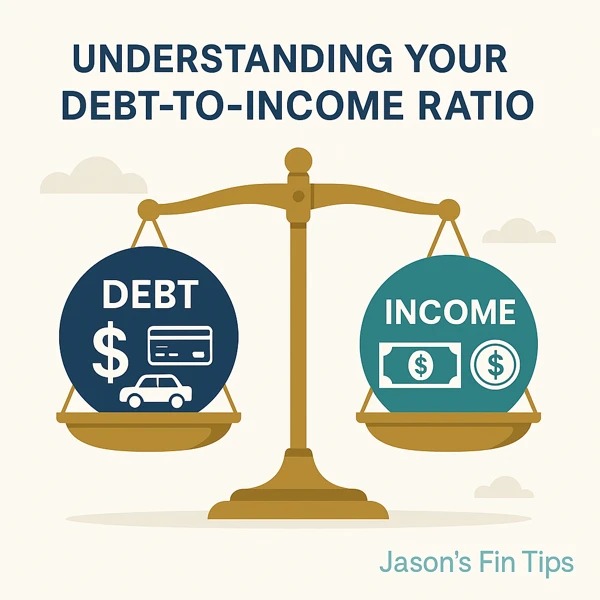
Understanding Your Debt-to-Income Ratio — Why It Matters for Financial Health and Loan Approval
🧭 Key Takeaways What Your DTI Reveals About Financial Stability Have you ever wondered why your loan application was denied even though your credit score looked great?The answer might lie in a single number — your Debt-to-Income (DTI) ratio. Your DTI measures how much of your income goes toward paying off debts each month. It’s […]
-
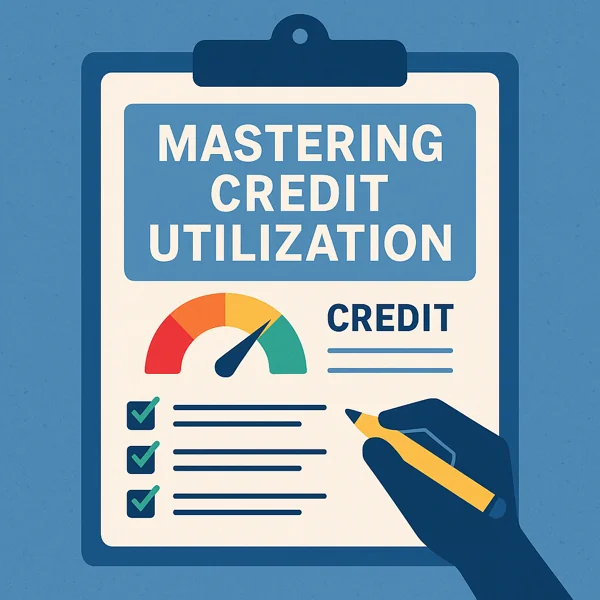
Mastering Credit Utilization: Tips for Better Credit Health
🔑 Key Takeaways 🧠 Understanding Credit Utilization Credit utilization is the percentage of your available revolving credit that you’re currently using—and it’s one of the most powerful influencers of your credit score. For FICO® scores, it makes up a full 30% of your total rating, just behind payment history. But understanding the math is only […]
-
How to Evaluate Your Credit Score Before Applying for a Loan
When it comes to applying for a loan, your credit score plays a pivotal role. Not only does it determine your eligibility, but it also impacts the terms and interest rates lenders offer. By understanding and optimizing your credit score before submitting a loan application, you can secure better financial outcomes. This guide will take […]
-
Fixed vs. Variable Interest Rates: Which One Fits Your Budget?
5 Key Takeaways When it comes to borrowing money, one of the most critical decisions you’ll make is choosing between a fixed or variable interest rate. This choice can have a significant impact on your monthly payments, total loan cost, and overall financial strategy. Let’s dive into the details to help you determine which option […]


These guides provide deeper insights into responsible borrowing strategies, helping you evaluate loan options, manage repayment effectively, and avoid costly financial mistakes. Explore each topic to strengthen your overall financial decision-making.
🧩 How Responsible Borrowing Fits Into Your Financial Plan
Responsible borrowing is not just about avoiding debt—it’s about using credit as a strategic tool within your broader financial plan.
It connects directly to:
- Budgeting and cash flow management
- Credit score improvement
- Debt repayment strategies
- Long-term financial stability and wealth building
When used correctly, borrowing can support your goals instead of limiting them.
❓ Frequently Asked Questions
What is considered too much debt?
Debt becomes excessive when your monthly payments strain your budget or prevent you from saving and covering essential expenses.
How do I know if I can afford a loan?
If you can comfortably make payments while maintaining savings and meeting your financial obligations, the loan may be manageable.
What is a safe debt-to-income ratio?
Most lenders prefer a debt-to-income ratio below 36%, though some loan programs may allow higher levels depending on the situation.
🔗 Continue Your Financial Journey
- Back to Credit & Debt Management Hub
- Understanding Credit Scores and Reports
- Managing Credit Card Debt Effectively
- Debt Consolidation Options and Considerations
- Credit Repair Techniques and Rebuilding Credit
- 👉 Start with the Financial Planning Roadmap in the Finance Hub
🚀 Take Control of Your Borrowing Strategy
Borrowing is not inherently bad—it’s how you use it that matters.
By understanding your financial position, choosing the right borrowing strategies, and planning ahead, you can:
- Reduce financial stress
- Avoid high-interest debt traps
- Build a stronger, more stable financial future
👉 Use this page as your starting point, and explore the guides above to take control of your borrowing decisions.