

🧭 Stock Market Investing and Portfolio Management
The stock market is one of the most powerful tools for building long-term wealth—but success requires more than simply buying stocks. It requires a clear strategy, disciplined decision-making, and an understanding of how markets behave over time.
This section is designed to guide you through stock market investing and portfolio management step by step—from foundational concepts to advanced strategies. Whether you’re just getting started or refining your investment approach, you’ll find structured guidance and practical insights to help you make confident, informed decisions.
📌 Key Takeaways
- The stock market is a long-term wealth-building tool
- Diversification helps reduce risk and improve stability
- Strategy and consistency matter more than market timing
- Emotional decisions can negatively impact investment outcomes
- Taxes and costs play a critical role in real returns
🧭 Start Here – Your Stock Market Investing Roadmap
Use this roadmap to build your investing knowledge and portfolio strategy step by step. Each phase builds on the previous one, helping you move from foundational concepts to a more advanced and refined investment approach.
📊 Stock Market Investing Roadmap
| Phase | Focus | Outcome |
|---|---|---|
| 🟢 Step 1 | Stock Market Basics | Understand how investing works and how to get started |
| 🟡 Step 2 | Building Your First Portfolio | Create a diversified investment foundation |
| 🔵 Step 3 | Investment Strategies | Choose an approach aligned with your goals |
| 🟠 Step 4 | Portfolio Management | Maintain and optimize your investments over time |
| 🔴 Step 5 | Risk & Market Behavior | Navigate volatility and avoid common mistakes |
| 🟣 Step 6 | Taxes & Optimization | Maximize after-tax returns and long-term efficiency |
🧠 How to Use This Roadmap
- New investors: Start with Step 1 and work through each phase in order
- Intermediate investors: Jump to the section that aligns with your current focus
- Experienced investors: Use this roadmap as a checklist to refine and optimize your strategy
Each section below expands on these steps with detailed explanations and practical guidance.
👉 Tip: If you’re new to investing, begin with Stock Market Basics, then gradually progress toward portfolio management, risk management, and tax-efficient strategies.
🔗 Explore Each Step in Detail
As you move through this page, you’ll find dedicated sections and in-depth guides that expand on each phase of the roadmap—helping you turn knowledge into action.
🔰 Key Learning Guides
Build your investing knowledge with these essential guides. Each resource is designed to help you take the next step in your investing journey.
📈 Getting Started with Investing
- 👉 How to Start Investing in the Stock Market
- 👉 Types of Investment Accounts Explained
📊 Building and Managing Your Portfolio
- 👉 What Is Asset Allocation?
- 👉 How to Rebalance Your Portfolio
💡 Investment Strategies and Approaches
- 👉 Growth vs. Value Investing Explained
- 👉 What Is Dollar-Cost Averaging?
⚖️ Risk Management and Market Behavior
- 👉 What Is Diversification in Investing?
- 👉 How to Measure Investment Risk
🧾 Taxes and Long-Term Planning
- 👉 How Investment Taxes Work
- 👉 Tax-Efficient Investing Strategies
👉 Start with one guide that matches your current stage and continue building your investing strategy step by step.
📈 Stock Market Basics
Understanding the fundamentals is the first step toward becoming a confident investor.
At its core, the stock market is where investors buy and sell ownership shares in companies. Prices are driven by supply and demand, influenced by company performance, economic conditions, and investor expectations.
🔍 How the Stock Market Works
- Investors buy shares when they believe a company will grow
- Prices rise when demand exceeds supply
- Prices fall when more investors are selling than buying
- Exchanges like the NYSE and NASDAQ facilitate these transactions
📚 Key Concepts to Know
| Concept | Simple Explanation |
|---|---|
| Stock | Ownership in a company |
| Share Price | The current market value of a stock |
| Market Capitalization | Total value of a company’s shares |
| Dividend | A portion of profits paid to shareholders |
Core Topics Covered:
- What stocks represent (ownership in a company)
- Types of stocks, including growth and value investing styles
- How stock exchanges operate and how prices are determined
- How to choose and open a brokerage account
👉 Explore beginner-friendly guides to start building your investing foundation.
📊 Portfolio Management
Building a portfolio is only the beginning—managing it effectively is what drives long-term success.
A well-structured portfolio balances risk, return, and time horizon, helping you stay on track even during market fluctuations.
⚖️ Example Portfolio Allocations
| Investor Type | Stocks | Bonds | Cash |
|---|---|---|---|
| Conservative | 40% | 50% | 10% |
| Moderate | 60% | 30% | 10% |
| Aggressive | 80% | 15% | 5% |
- Time horizon matters: Longer timelines typically allow for more stock exposure
- Risk tolerance matters: Your comfort with volatility should guide allocation decisions
Core Topics Covered:
- Asset allocation across stocks, bonds, and cash
- Diversification strategies to reduce risk
- Rebalancing your portfolio over time
- Tracking performance and comparing benchmarks
- Adjusting investments based on life stages and goals
👉 Learn how to build and manage a portfolio that evolves with you.
💡 Investment Strategies
Different investment strategies serve different goals, timelines, and risk tolerances. Choosing the right approach can significantly impact long-term results.
📊 Strategy Comparison
| Strategy | Best For | Risk Level |
|---|---|---|
| Index Investing | Beginners and long-term investors | Low–Moderate |
| Growth Investing | Maximizing long-term returns | Higher |
| Dividend Investing | Generating income | Moderate |
| Value Investing | Finding undervalued companies | Moderate |
Core Topics Covered:
- Growth vs. value investing
- Index investing vs. active investing
- Dollar-cost averaging vs. lump-sum investing
- Dividend investing and income strategies
- Long-term investing vs. short-term trading approaches
👉 Discover which investing strategy aligns best with your financial goals.oals.
⚖️ Diversification and Risk Management
Managing risk is just as important as seeking returns. A diversified portfolio helps reduce the impact of any single investment underperforming.
⚠️ What Happens Without Diversification
Investing heavily in one stock, sector, or asset class can expose your portfolio to significant losses if that area declines. Diversification spreads risk across different investments, helping stabilize returns over time.
🧩 How Diversification Works
- Stocks → Growth potential
- Bonds → Stability and income
- Cash → Liquidity and short-term flexibility
Core Topics Covered:
- Why diversification helps reduce volatility
- Correlation between assets and portfolio balance
- Understanding market volatility and drawdowns
- Risk tolerance vs. risk capacity
- Practical risk management techniques
👉 Build a resilient portfolio designed to withstand market fluctuations.ns.
🔍 Analyzing Market Trends
Understanding how markets move can improve your investment decisions and help you evaluate opportunities more effectively.
📊 Two Core Approaches
- Fundamental Analysis:
Focuses on a company’s financial health, earnings, and valuation - Technical Analysis:
Uses price charts and patterns to identify trends and potential entry points
🌍 Macroeconomic Factors to Watch
- Interest rates
- Inflation
- Economic growth cycles
- Market sentiment
Core Topics Covered:
- Fundamental analysis (earnings, valuation, financial health)
- Technical analysis (charts, trends, indicators)
- Macroeconomic influences on stock prices
- Market cycles and investor behavior
👉 Learn how to evaluate investments and interpret market signals.signals.
🧾 Tax and Behavioral Considerations
Real-world investment outcomes are shaped not only by returns—but also by taxes and behavior.
💰 Capital Gains Tax Basics
| Type | Tax Treatment |
|---|---|
| Short-Term Gains | Taxed as ordinary income |
| Long-Term Gains | Typically taxed at lower rates |
🧠 Behavioral Finance Insights
Many investors struggle not because of strategy—but because of behavior:
- Loss aversion: Fear of losses leading to poor decisions
- Panic selling: Selling during market downturns
- Overconfidence: Taking excessive risks during strong markets
Core Topics Covered:
- Capital gains taxes and timing strategies
- Tax-efficient investing approaches
- Tax-advantaged accounts like IRAs and 401(k)s
- Emotional investing and decision-making pitfalls
👉 Improve both your after-tax returns and long-term investing discipline..
⚠️ Common Investing Mistakes to Avoid
Even experienced investors can make costly mistakes. Avoiding these pitfalls can improve your long-term results:
- Trying to time the market instead of investing consistently
- Overconcentration in a small number of stocks
- Letting fear or greed drive decisions
- Ignoring fees, taxes, and long-term costs
- Chasing trends or speculative investments without research
👉 Focus on discipline, diversification, and long-term strategy.
📊 Example of a Simple Beginner Portfolio
Here’s a basic example of a diversified starting portfolio:
| Asset Type | Example Allocation |
|---|---|
| U.S. Stocks | 50% |
| International Stocks | 20% |
| Bonds | 20% |
| Cash / Short-Term | 10% |
This example illustrates how diversification can balance growth and stability. Your actual allocation should reflect your goals, time horizon, and risk tolerance.
👉 Use this as a starting framework—not a one-size-fits-all solution.
🚀 How to Start Investing in the Stock Market Today
If you’re ready to begin, follow these simple steps:
- Open a brokerage account
- Set clear financial and investment goals
- Start with diversified investments such as ETFs
- Invest consistently over time
- Review and adjust your portfolio periodically
💡 Beginner Tip:
Start with low-cost index funds or ETFs to gain broad market exposure before selecting individual stocks.
👉 Start small, stay consistent, and focus on long-term growth.owth.
🆕 Latest Articles in Stock Market Investing
These articles expand on the strategies and concepts covered above, helping you apply what you’ve learned in real-world scenarios.
Stay current and continue building your investing knowledge with our latest insights:
-
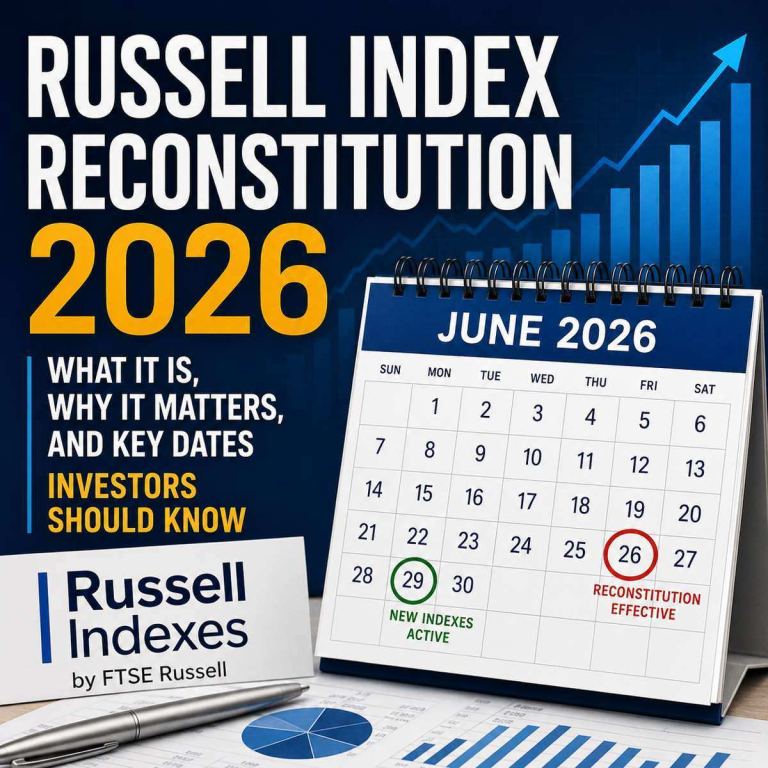
Russell Index Reconstitution 2026: What It Is, Why It Matters, and Key Dates Investors Should Know
Russell Index Reconstitution Every June, one of the largest events in the U.S. stock market takes place, yet many individual investors have never heard of it. The Russell Index Reconstitution affects thousands of publicly traded companies and influences trillions of dollars managed by mutual funds, exchange-traded funds (ETFs), pension funds, and institutional investors. For a […]
-
Understanding the Shiller CAPE Ratio: What It Is and How Investors Use It
💡 Quick Answer: What Does the Shiller CAPE Ratio Tell You? The Shiller CAPE ratio (Cyclically Adjusted Price-to-Earnings ratio) measures how expensive the stock market is by comparing current prices to the average of inflation-adjusted earnings over the past 10 years. This long-term approach smooths out economic cycles, giving investors a clearer view of market […]
-
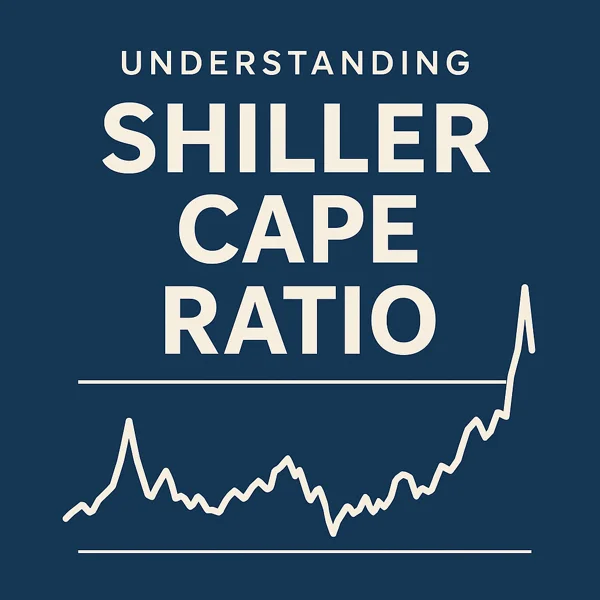
What the Shiller CAPE Ratio Says About the Stock Market
📈 Introduction The U.S. stock market is once again flirting with record highs. AI-driven profits, resilient consumer spending, and easing inflation have fueled investor optimism throughout 2025. Yet beneath the headlines, one long-term valuation measure is sending a familiar cautionary signal — the Shiller CAPE ratio, or cyclically adjusted price-to-earnings ratio. Unlike the standard P/E […]
-
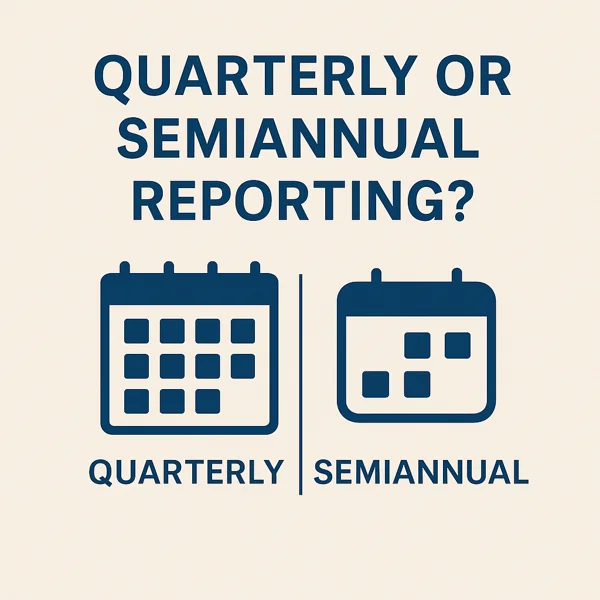
Should Companies Move to Semiannual Reporting? The Pros, Cons, and Financial Planning Impact
Introduction: The Reporting Debate In September 2025, former President Donald Trump renewed his call for companies to move away from quarterly earnings reports and instead publish results only twice a year. This is not the first time the idea has surfaced—Trump made a similar suggestion in 2018, asking the Securities and Exchange Commission (SEC) to […]
-
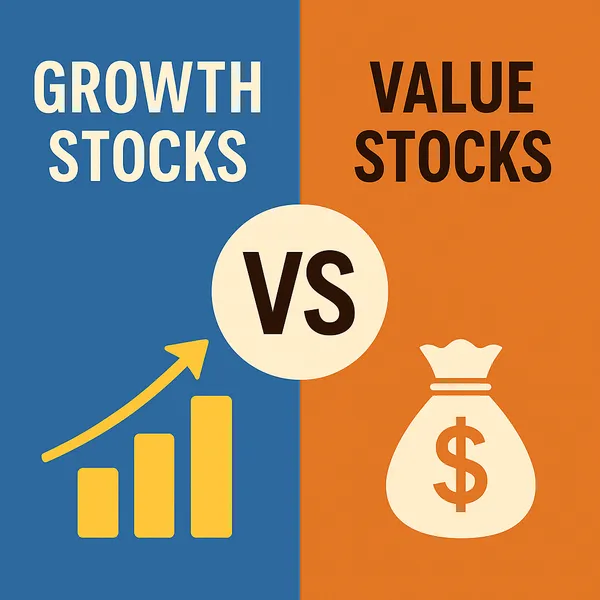
Growth Stocks vs Value Stocks: Which Should You Choose?
🔑 Key Takeaways 🧠 Introduction Over the past decade, growth stocks in the S&P 500 have outpaced value stocks by nearly 3% annually—a powerful reminder of how investment style can impact long-term wealth accumulation. But the story doesn’t end there. In this post, we’ll explore the key differences between growth and value stocks, breaking down […]
-
The Pros and Cons of Long-term and Short-term Investing
Key Takeaways Introduction Have you ever wondered whether you should invest for the long haul or capitalize on quick gains? According to a 2023 study by Vanguard, investors who stayed in the market for over ten years saw an average annual return of 7.1%, while those who engaged in short-term trading experienced far more varied […]

🧭 How Stock Market Investing Fits Into Your Financial Plan
Investing is one part of a complete financial strategy. It works alongside:
- Budgeting and cash flow management
- Emergency savings
- Debt management
- Retirement planning
- Tax strategy
👉 For best results, integrate your investing strategy into a broader financial plan.
🎯 Who This Section Is For
This section is designed for:
- Beginner investors learning how to start in the stock market
- Intermediate investors refining their strategies and portfolios
- Long-term planners focused on building wealth and financial independence
🔗 Continue Your Investment Journey
Strengthen your investing knowledge with these related guides:
- 📊 Investment Basics and Strategies
- 🏦 Retirement Savings Plans and Contributions
- 🚀 Wealth Building Techniques and Passive Income
- 🧭 Financial Planning Roadmap
- 🎯Types of Savings Accounts
👉 Start with one topic above and continue building your investment strategy step by step.
🔍 Frequently Asked Questions
What is the best way to start investing in the stock market?
Start with the basics, open a brokerage account, and invest consistently using diversified funds such as ETFs.
How much money do you need to begin investing?
Many platforms allow you to start with small amounts, even under $100, using fractional shares.
What is diversification in investing?
Diversification means spreading your investments across different assets to reduce risk.
Is the stock market risky for beginners?
All investing involves risk, but long-term, diversified investing helps manage that risk effectively.
🏁 Build Your Investing Strategy with Confidence
Investing in the stock market is a long-term journey—not a one-time decision. By understanding the fundamentals, choosing the right strategy, and maintaining discipline, you can build a portfolio that supports your financial goals over time.
👉 Use the roadmap above, explore one section today, and continue building your financial future step by step.
Life Insurance Planning Hub
Explore foundational insurance principles and strategic planning considerations.
→ Explore Insurance Strategy
👉 Back to Saving & Investing Hub
👉 Start your journey with the Financial Planning Roadmap
👉 Explore the Finance Hub