
Key Takeaways
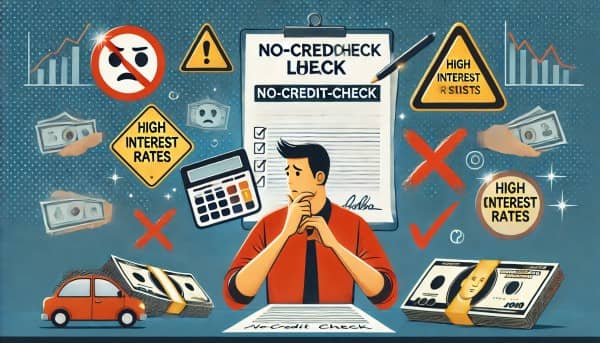
- High Interest Rates: No-credit-check loans often have extremely high APRs, making them expensive to repay.
- Short Repayment Terms: These loans usually need to be repaid within a few weeks, increasing the risk of debt cycles.
- Accessibility: They are available to individuals with poor or no credit, offering an option when traditional loans aren’t accessible.
- Predatory Practices: Some lenders may engage in predatory tactics, taking advantage of borrowers’ urgent needs.
- Avoiding Scams: Research lenders, understand the loan terms, consider alternatives, verify legitimacy, and avoid upfront fees to stay safe.
What Borrowers Should Know About No Credit Check Loans
When unexpected expenses arise, finding quick financial solutions becomes a priority. No-credit-check loans may seem like an easy fix, especially for those with poor or no credit history. However, these loans come with significant risks that can impact your financial health in the long run. Understanding the intricacies of no-credit-check loans can help you make more informed decisions and avoid potential pitfalls. Here’s what you need to know:
Table 1: Comparison of Loan Types
| Loan Type | Credit Check Required | Interest Rate Range | Typical Repayment Term | Common Uses |
|---|---|---|---|---|
| Payday Loan | No | 200% – 700% APR | 2 – 4 weeks | Emergency expenses |
| Title Loan | No | 25% – 300% APR | 1 month – 3 years | Emergency expenses |
| Personal Loan | Sometimes | 5% – 36% APR | 1 – 5 years | Debt consolidation, large purchases |
| Credit Union Loan | Yes | 6% – 18% APR | 1 – 5 years | Various personal needs |
What is a No-Credit-Check Loan?
A no-credit-check loan is a type of financing where the lender skips the traditional credit check during the approval process. Instead, they focus on factors like your income, employment status, and existing debts. These loans, including payday loans, title loans, and some personal loans, are often marketed to those with poor or no credit history.
Common Types of No-Credit-Check Loans:
- Payday Loans: Short-term loans that are typically due on your next payday.
- Title Loans: Loans that require you to use your vehicle as collateral.
- Some Personal Loans: Unsecured loans that may be offered without a credit check.
These loans provide a borrowing option for individuals who may not qualify for traditional loans due to their credit history.
Table 2: Pros and Cons of No-Credit-Check Loans
| Pros | Cons |
|---|---|
| Quick access to funds | High interest rates |
| Accessible to those with poor/no credit | Short repayment terms |
| Minimal documentation required | Risk of predatory practices |
| Can lead to financial strain and debt cycle |
Why Shouldn’t No-Credit-Check Loans Be Your First Choice?
While no-credit-check loans might seem like a lifesaver, they come with several significant downsides that can lead to long-term financial issues:
High Interest Rates:
These loans often come with extremely high interest rates, sometimes exceeding 400% APR. This can make them incredibly expensive to repay, significantly increasing the overall cost of borrowing.
Short Repayment Terms:
The repayment period for these loans is usually very short, often just a few weeks. This can create a cycle of debt if you can’t pay back the loan on time, leading to repeated borrowing and escalating costs.
Predatory Practices:
Unfortunately, some lenders engage in predatory practices, taking advantage of borrowers’ urgent need for cash. These practices can include hidden fees, aggressive collection tactics, and misleading terms.
Financial Strain:
Failing to repay these loans can lead to severe financial consequences, including additional fees, collection actions, and further damage to your credit score. The financial strain from these loans can be long-lasting and difficult to recover from.
What Are the Benefits of No-Credit-Check Loans?
Despite their drawbacks, no-credit-check loans can offer some benefits, particularly in emergency situations:
Quick Access to Funds:
These loans can provide rapid access to cash, often within 24 hours, which can be crucial in emergencies. This speed can be lifesaving when you need money immediately for urgent expenses.
Accessibility:
They are available to individuals who have poor or no credit history, offering a borrowing option where traditional loans may not be accessible. This makes them a viable option for those who have been turned down by other lenders.
Minimal Documentation:
The application process is usually straightforward, requiring less documentation compared to conventional loans. This simplicity can be appealing to those who need funds quickly and cannot provide extensive paperwork.
How to Get a No-Credit-Check Loan Without Falling Victim to Scams or Predatory Fees
To safely navigate the no-credit-check loan landscape and avoid scams or predatory fees, consider the following steps:
Research Lenders Thoroughly:
Seek out reputable lenders with transparent terms and positive reviews. Verify their credentials and look for any complaints filed with the Better Business Bureau (BBB). Doing your due diligence can save you from falling into the hands of unscrupulous lenders.
Understand the Terms:
Carefully read and understand the loan terms, including interest rates, fees, and repayment schedules. Avoid lenders who are not transparent about these details. Being well-informed about the terms can help you avoid unexpected costs and obligations.
Consider Alternatives:
Explore other options like personal loans from credit unions, which may offer better terms even if your credit isn’t great. Some employers and community organizations also provide small emergency loans. Alternatives may provide more favorable terms and lower costs.
Verify Legitimacy:
Make sure the lender is licensed in your state. Unlicensed lenders may offer loans with unfavorable or illegal terms. Verifying legitimacy helps ensure you are dealing with a regulated and compliant lender.
Avoid Upfront Fees:
Be cautious of lenders asking for upfront fees before granting the loan; this is a common sign of a scam. Legitimate lenders typically deduct fees from the loan proceeds rather than requiring payment in advance.
Table 3: Tips for Avoiding Scams and Predatory Fees
| Tip | Description |
|---|---|
| Research Lenders | Look for reputable lenders with transparent terms and positive reviews. Verify their credentials. |
| Understand the Terms | Read and understand all loan terms, including interest rates, fees, and repayment schedules. |
| Consider Alternatives | Explore other options like credit union loans or small emergency loans from employers or community organizations. |
| Verify Legitimacy | Ensure the lender is licensed in your state to avoid unregulated and potentially illegal loan terms. |
| Avoid Upfront Fees | Be cautious of lenders who require upfront fees before granting the loan, as this is a common scam tactic. |
Conclusion
No-credit-check loans might seem like a quick solution in times of financial stress, but they come with significant risks and high costs that can lead to long-term financial strain. Before opting for such a loan, it’s crucial to understand all the potential downsides and explore alternative options that may be more beneficial in the long run.
By doing thorough research, understanding loan terms, and considering safer alternatives, you can avoid falling victim to scams and predatory practices. Informed decisions are the foundation of sound financial health, so take the time to evaluate your options carefully. Making smart financial choices today can help secure a more stable and prosperous future.
