
Tag: Managing Credit Card Debt Effectively
-
How to Negotiate Better Loan Rates — Insider Strategies to Lower Your Borrowing Costs
💡 Quick Answer: How Do You Actually Negotiate a Loan Rate? Yes—you can negotiate loan rates, especially with banks and lenders who want your business.The key is to bring competing offers, show strong financials, and ask directly using clear, confident language. ✅ Most Effective Approach 👉 Even a 0.25% reduction can save thousands over time,…
-
10 Proven Credit Card Payment Strategies to Pay Off Debt Faster (And Build a System That Works)
⚡ Quick Answer: How to Pay Off Credit Card Debt The fastest way to pay off credit card debt is to follow a clear, consistent system: 👉 The key to success isn’t choosing the “perfect” strategy—it’s choosing one you can follow consistently over time. 🔥 Key Takeaways 🧭 How to Tackle Credit Card Debt Step-by-Step…
-
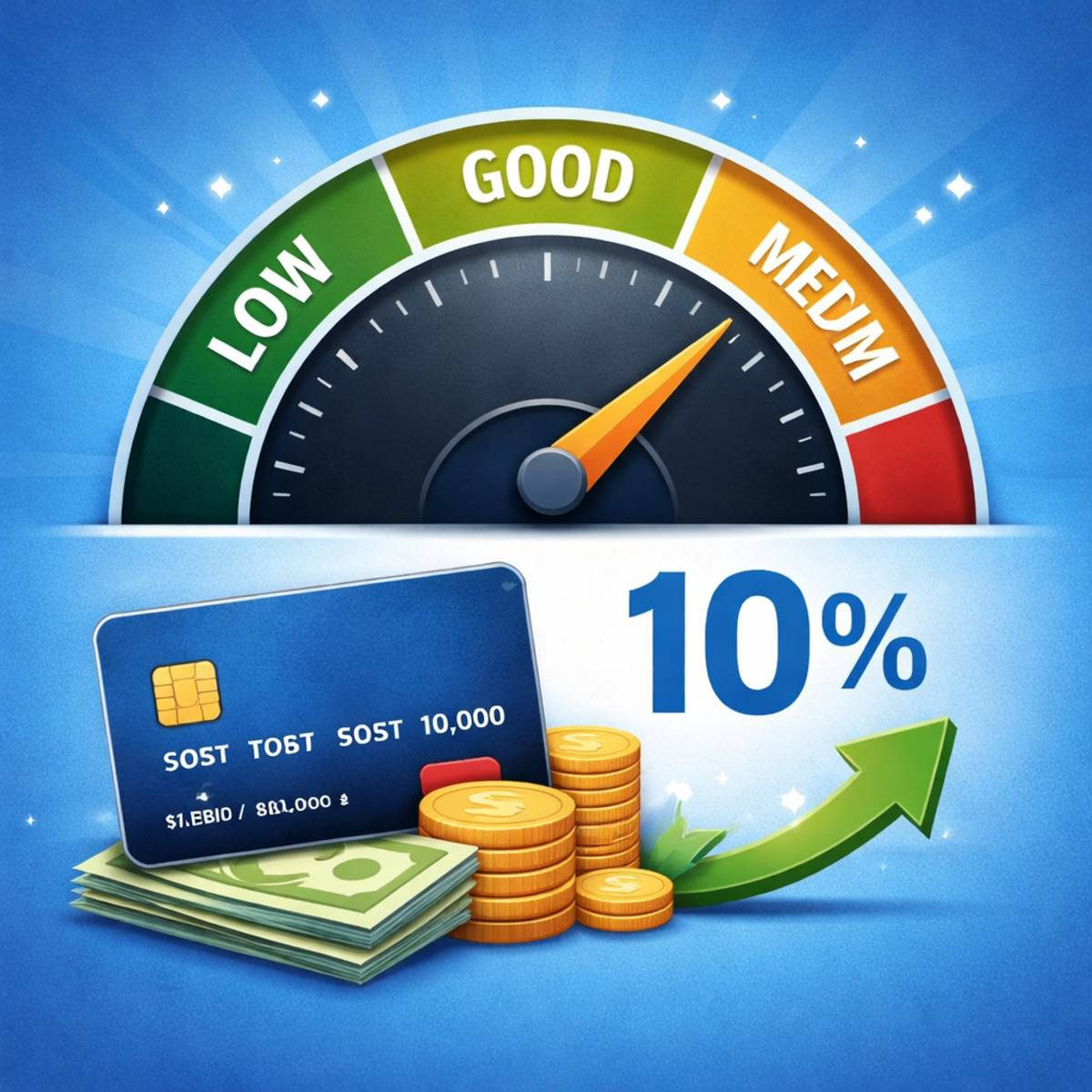
Credit Utilization Explained: How to Lower It Fast and Improve Your Score
🧭 Introduction – Why Credit Utilization Matters More Than You Think Credit utilization is one of the most powerful—yet often overlooked—factors influencing your credit score. At its core, it represents how much of your available revolving credit you are currently using. While it may seem like a simple percentage, it plays a critical role in…
-
Strategies to Pay Off Credit Card Debt Faster – Proven Methods to Save Money and Build Momentum
Strategies to Pay Off Credit Card Debt Faster 💳 Credit card debt can feel like a treadmill you can’t step off — the harder you try, the faster the interest seems to pile up.But here’s the truth: with the right plan and consistent habits, you can break the cycle, rebuild confidence, and start using your…
-

Managing Debt Effectively – Understand the Psychology of Debt and Prioritize Your Payoff Plan
📉 Managing Debt Effectively Debt can be more than a financial burden—it can affect your health, your relationships, and your confidence. But you are not alone, and you are not powerless. This guide will help you understand the emotional roots of debt, how to pick a payoff strategy that works for your mindset, and how…
-

Understanding the Impact of Minimum Payments on Long-Term Debt
Key Takeaways Introduction Imagine carrying a $5,000 balance on a credit card with a 20% APR. If you make only the minimum payment each month, it could take over a decade to repay the debt, costing you thousands in interest. This example highlights the financial strain of relying on minimum payments—a common but costly mistake.…
-
Creating a Debt-Free Mindset to Stay Motivated
Key Takeaways Debt can feel like a heavy weight, keeping you from living the life you envision. For many, the journey to financial freedom begins not with a new budget or repayment plan but with a mindset shift. Developing a debt-free mindset is essential for staying motivated and making lasting changes to your financial habits.…
-
Recognizing Warning Signs of Credit Card Debt Problems
Key Takeaways Introduction Credit cards can be powerful financial tools when used responsibly, offering convenience, rewards, and a safety net in emergencies. However, unchecked credit card usage can quickly lead to mounting debt, financial stress, and long-term instability. Recognizing the early warning signs of credit card debt problems is essential to prevent issues from escalating.…
-

A Beginner’s Guide to Managing Credit Card Debt
Key Takeaways Introduction Credit card debt is one of the most common financial challenges people face. For many, the allure of “buy now, pay later” leads to balances that quickly spiral out of control. Managing this debt effectively is crucial for financial stability and peace of mind. This guide is designed to empower beginners with…
-

Should You Use Savings to Pay Off Credit Card Debt? Pros and Cons
Five Key Takeaways Introduction Credit card debt is a significant financial burden for many individuals, with average interest rates ranging from 15% to 30%. At the same time, most savings accounts offer relatively low-interest rates, typically below 4%. Faced with this disparity, many people wonder: Should I use my savings to pay off my credit…
-
Managing High-Interest Credit Card Debt Without Feeling Overwhelmed
Introduction Did you know that the average American household carries over $6,000 in credit card debt, often with interest rates exceeding 20%? For many, this financial burden can feel like an uphill battle, draining their resources and increasing stress levels. If you find yourself in this situation, you’re not alone. This guide will walk you…
-

The Hidden Costs of Only Making Minimum Credit Card Payments
Introduction Did you know that the average American household carries over $6,000 in credit card debt? According to the Federal Reserve’s most recent data, this figure highlights the growing challenge of managing consumer debt in the U.S. While credit cards can be a convenient financial tool, they also carry the potential to trap users in…
-

Prioritizing Multiple Credit Card Payments Effectively
Introduction Managing multiple credit card debts can feel like juggling flaming bowling pins—one wrong move, and you’re left scrambling to avoid getting burned. With interest piling up and multiple due dates to remember, the financial and emotional strain can be overwhelming. However, with the right strategy, you can regain control, save money, and steadily march…
-
Balance Transfer Cards: A Tool for Managing Credit Card Debt
Key Takeaways Introduction Credit card debt can feel like an insurmountable challenge, especially when high-interest rates keep balances growing. If you’re looking for a way to tackle your debt efficiently, balance transfer credit cards may be the solution you need. These cards offer a chance to consolidate debt and reduce interest, making it easier to…
-

Avoiding Minimum Payment Traps: Accelerate Your Debt Payoff
Introduction Did you know that making only the minimum payments on a $5,000 credit card balance can take over 10 years to pay off and cost you thousands of dollars in interest? This statistic underscores a harsh reality: minimum payments may feel manageable now, but they come with long-term financial consequences. This post will delve…