
As a content creator, managing your finances can be a little more challenging than it might be for someone with a stable, predictable salary. With income coming from various sources such as sponsored content, affiliate marketing, and fan support, it can be hard to know exactly how much to save, spend, and invest. One popular budgeting framework that could help bring structure to this financial uncertainty is the 50/30/20 rule.
In this post, we will explore how content creators can adapt the 50/30/20 rule—originally designed for people with stable incomes—to fit their unique financial needs. We’ll break down the rule, analyze how it can work for you, and offer tips for customizing it based on your fluctuating income streams.
As a content creator, your income may fluctuate, but your financial discipline shouldn’t. The key is adapting traditional budgeting methods to fit your unpredictable revenue streams.
What is the 50/30/20 Rule?
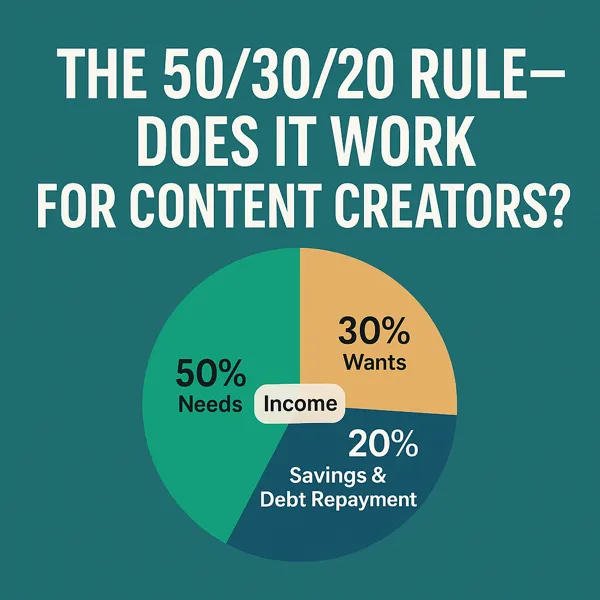
The 50/30/20 rule is a simple budgeting method that divides your after-tax income into three main categories:
50% for Needs
These are non-negotiable expenses like rent, utilities, insurance, and other essential living costs.
30% for Wants
This category covers discretionary spending—things you’d like to have, but could live without, such as dining out, entertainment, or non-essential gadgets.
20% for Savings and Debt Repayment
This portion of your income goes toward building an emergency fund, saving for retirement, or paying off debts.
It’s a straightforward method that’s easy to implement for salaried employees. But what happens when your income isn’t so predictable?
1. Monthly Budget Breakdown (50/30/20 Rule Example)
| Category | Amount | Percentage |
|---|---|---|
| Income | $6,000 | 100% |
| Needs (50%) | $3,000 | 50% |
| Rent | $1,200 | |
| Utilities & Groceries | $500 | |
| Business-related Subscriptions | $400 | |
| Health Insurance | $400 | |
| Miscellaneous Essentials | $500 | |
| Wants (30%) | $1,800 | 30% |
| Marketing (Ads, Promotions) | $500 | |
| New Equipment | $700 | |
| Personal Expenses (e.g., Dining Out) | $600 | |
| Savings & Debt Repayment (20%) | $1,200 | 20% |
| Emergency Fund | $600 | |
| Debt Repayment | $300 | |
| Retirement Savings (IRA) | $300 | |
| Total | $6,000 |
Budgeting isn’t just about cutting back—it’s about knowing when to invest in your business and when to save for those lean months.
Adapting the 50/30/20 Rule for Content Creators
As a content creator, you likely have a variety of income sources—ads, sponsored content, Patreon supporters, and affiliate marketing commissions, just to name a few. While this is great for diversifying income, it makes budgeting a bit trickier. So how can you make the 50/30/20 rule work when your income fluctuates month-to-month?
Let’s break it down.
Income Sources for Content Creators
- Sponsored Content: Typically paid per project, and the amount can vary depending on the brand and your audience.
- YouTube Ads: Based on video performance, this can change monthly, especially if some videos perform better than others.
- Patreon/Subscriptions: Regular monthly income from subscribers, but it may fluctuate with the number of patrons.
- Merchandise Sales: While this may not be monthly, it can be a large portion of your income in certain months.
2. Example of Adjusted Budget for Fluctuating Income
| Income | $5,000 | $6,500 | $7,000 |
|---|---|---|---|
| Needs (50%) | $2,500 | $3,250 | $3,500 |
| Rent | $1,200 | $1,200 | $1,200 |
| Utilities & Groceries | $500 | $600 | $650 |
| Business-related Subscriptions | $400 | $450 | $500 |
| Health Insurance | $400 | $500 | $550 |
| Miscellaneous Essentials | $500 | $500 | $500 |
| Wants (30%) | $1,500 | $1,950 | $2,100 |
| Marketing (Ads, Promotions) | $500 | $600 | $700 |
| New Equipment | $700 | $900 | $1,000 |
| Personal Expenses (e.g., Dining Out) | $300 | $450 | $400 |
| Savings & Debt Repayment (20%) | $1,000 | $1,300 | $1,400 |
| Emergency Fund | $500 | $650 | $700 |
| Debt Repayment | $300 | $400 | $450 |
| Retirement Savings (IRA) | $200 | $250 | $250 |
| Total | $5,000 | $6,500 | $7,000 |
This table shows how a creator might adjust their needs, wants, and savings categories based on different income levels.
Understanding the Unique Financial Challenges of Content Creators
Content creators face a number of unique financial challenges that make budgeting and planning more difficult. Here are a few key considerations:
Fluctuating Income and Cash Flow Management
Unlike salaried employees, content creators’ income is often unpredictable. One month might bring in a hefty paycheck from a viral video or a high-paying brand deal, while the next could bring in little to no income. This fluctuation requires careful planning to ensure that creators can continue to cover their personal and business expenses even when earnings dip.
Business and Personal Finances
Many content creators operate as sole proprietors or freelancers, which means their personal and business finances are often intermingled. Managing both at once can create confusion and complicate budgeting. Keeping separate accounts for personal and business finances can help maintain clarity and ensure proper allocation of funds.
Tax Implications for Creators
Unlike employees with regular tax withholding, content creators need to manage their own taxes. They are often required to pay self-employment taxes, which can significantly impact their net income.
Adjusting the Needs Category (50%)
For content creators, the “Needs” category can include both personal and business-related expenses. Here are some areas to consider:
Personal Needs
Rent, groceries, utilities, healthcare, insurance—these are expenses that you can’t avoid. These should stay in the 50% category, but you may need to adjust based on how much you earn each month.
Business Needs
Hosting fees for your website, subscription costs for editing software, equipment upgrades, and other essentials for running your content creation business. These should also fall under “needs,” but you might need to adjust them month-to-month depending on income.
Pro Tip: If your income is low, prioritize your personal needs first and scale back on business expenses. You can hold off on upgrading your camera or editing software until your income picks up again.
Tax Considerations for Content Creators
Content creators have unique tax considerations, especially when it comes to self-employment taxes. Here are some things to keep in mind:
Self-Employment Taxes
Content creators are considered self-employed and are responsible for paying their own taxes. This includes both income tax and self-employment tax (covering Social Security and Medicare). Setting aside 15.3% of your income for self-employment taxes is a good starting point.
Deductible Business Expenses
As a content creator, you can deduct business-related expenses to lower your taxable income. These might include:
- Equipment costs (cameras, lighting, microphones)
- Software subscriptions (editing tools, website hosting, email marketing services)
- Business-related travel expenses
- Home office costs, if applicable
Keeping detailed records of all your business expenses will help when it comes time to file taxes.
Estimated Quarterly Taxes
Instead of paying taxes once a year, self-employed individuals must pay quarterly estimated taxes. Keeping track of your income and setting aside money for tax payments throughout the year is essential to avoid penalties.
3. Tax Savings Table for Self-Employed Creators
| Income Range | Tax Savings (Estimated %) | Amount Set Aside for Taxes |
|---|---|---|
| $0 – $5,000 | 25% | $1,250 |
| $5,000 – $10,000 | 30% | $3,000 |
| $10,000 – $20,000 | 30% | $6,000 |
| $20,000 – $30,000 | 35% | $10,500 |
| $30,000 and above | 40% | $12,000 |
This table provides an estimate of how much creators should set aside for taxes based on their income. The percentage can vary depending on the location and tax bracket, but this example give a starting point to help ensure they’re prepared. We encourage everyone to seek guidance form a licensed tax professional.
Adjusting the Wants Category (30%)
When it comes to the “Wants” category, this is where the creative entrepreneur can really feel the pressure to spend. From buying new equipment to splurging on a nice dinner or taking a vacation, it can be tempting to dip into this category more than necessary.
Personal Wants
Dining out, subscriptions to streaming services, and the occasional shopping spree for non-essential items.
Business Wants
Investing in gadgets, hiring freelancers for extra help, or spending money on marketing and promotions to grow your brand.
As a content creator, you may be tempted to funnel a lot of money into “wants” to help grow your brand, but it’s important to be mindful of your income fluctuations. When business is booming, go ahead and invest in that shiny new camera or a targeted ad campaign, but during leaner months, cut back on spending in this category.
Adjusting the Savings & Debt Repayment Category (20%)
The 20% allocated for savings and debt repayment is one of the most important aspects of this rule. However, for content creators, this can be tough when the income isn’t steady.
Savings
Having an emergency fund is crucial. Content creators need to account for lean months where income might be lower than usual. It’s essential to build an emergency fund that will cover at least three to six months of personal and business expenses.
Debt Repayment
If you have business loans, credit card debt, or any other liabilities, allocating part of this 20% toward paying off those debts will help you avoid paying high interest in the long term.
Tip: When you have a higher-than-usual income month, consider putting a larger percentage toward savings or paying down any debt. This will cushion the blow during months where income dips.
4. Savings Goals Timeline Table
| Savings Goal | Total Amount Needed | Monthly Contribution | Time to Reach Goal |
|---|---|---|---|
| Emergency Fund | $10,000 | $500 | 20 months |
| Retirement Savings (IRA) | $25,000 | $400 | 5 years |
| New Equipment Fund (Camera, Laptop) | $5,000 | $250 | 20 months |
| Business Expansion (Marketing Budget) | $3,000 | $150 | 20 months |
This table can help creators prioritize their savings and set a clear timeline for achieving their goals.
Example Scenario – A Content Creator Applying the 50/30/20 Rule
Let’s take a look at a fictional content creator, Sarah, who has multiple income streams including YouTube ad revenue, sponsorships, and Patreon support. Here’s how she applies the 50/30/20 rule to her finances.
Monthly Income Breakdown
- Total Income: $6,000 (after taxes)
Needs (50%): $3,000
- Rent: $1,200
- Utilities & Groceries: $500
- Business-related subscriptions (editing software, website hosting): $400
- Health Insurance: $400
- Miscellaneous Essentials: $500
Wants (30%): $1,800
- Marketing (social media ads, promotions): $500
- New equipment (camera, microphone): $700
- Personal expenses (dining out, shopping, etc.): $600
Savings & Debt Repayment (20%): $1,200
- Emergency Fund: $600
- Debt Repayment (credit card balance): $300
- Retirement Savings (IRA): $300
By following this rule, Sarah ensures that she’s budgeting for her essential needs, business expenses, and personal desires while still saving for the future.
Flexibility and Customization for Creators
A major benefit of the 50/30/20 rule is its flexibility. As a content creator, you can adjust these categories based on income changes. Here are some ways to make the rule work for you:
Income Fluctuations
With an inconsistent income stream, try adjusting your budget each month based on the total income you’ve earned. For instance:
- In months with high income, stick to the 50/30/20 breakdown.
- In leaner months, you may have to reduce your “wants” and “savings” percentages and increase the “needs” category to cover the essentials.
Building a Buffer Fund
Content creators should set aside funds for lean months, so they aren’t scrambling when income drops. This buffer fund can be built within your savings category or as a separate fund that is easy to access in case of an emergency.
Your creativity fuels your business, but a strong financial plan fuels your future. Balancing both is the secret to long-term success.
Alternative Budgeting Methods for Creators
If you find that the 50/30/20 rule is too rigid for your needs, here are some alternative budgeting methods that may work better for your fluctuating income:
Zero-Based Budgeting
This method involves allocating every dollar you earn to a specific expense, savings, or debt repayment category. It’s a great way to ensure that you’re actively managing your finances, regardless of your income.
The 80/20 Rule
Another simple method is saving 20% of your income and spending the rest. This method may work best if you’re focused on aggressively building savings or paying down debt.
Tools and Resources for Tracking Your Budget
Tracking your budget is key to ensuring that you’re staying on top of your finances. Here are a few resources for creators to help make budgeting easier:
Budgeting Apps
Consider apps like YNAB (You Need a Budget), Mint, or PocketGuard, which can help you track income, savings goals, and expenses, especially if your income is unpredictable.
Custom Budget Templates
Create or download templates that are designed specifically for content creators. These templates can help track multiple income sources, fixed and variable expenses, and savings goals.
Conclusion
The 50/30/20 rule can be a helpful budgeting framework for content creators, but it requires some adjustments to account for fluctuating income. By customizing the rule to fit your unique needs, you can ensure that you are budgeting wisely, saving for the future, and continuing to invest in your business.
Remember, flexibility is key when it comes to budgeting for creators. Don’t be afraid to adjust your spending habits and savings goals based on the ebbs and flows of your income.
Take Action!
Have you tried the 50/30/20 rule in your own budgeting? How did it work for you as a content creator? Share your experiences in the comments below, and feel free to reach out if you have any questions about adapting this rule to your financial situation!
In the world of content creation, a fluctuating income shouldn’t mean fluctuating financial stability. With the right budgeting approach, you can weather any storm.
Back to Budgeting and Expense Management
