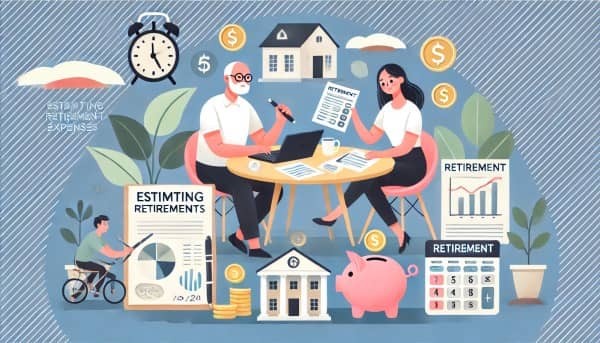
Key Takeaways
- Differentiate Expenses: Clearly distinguish between essential (housing, healthcare, food) and discretionary (travel, dining out, hobbies) expenses.
- Utilize Budgeting Tools: Use personal finance software, online calculators, or spreadsheets to accurately estimate and track your retirement expenses.
- Account for Future Costs: Project future expenses by adjusting for inflation, increasing healthcare costs, and potential lifestyle changes.
- Diversify Income Sources: Plan for multiple income streams in retirement, including Social Security, pensions, annuities, investments, and part-time work.
- Plan for the Unexpected: Maintain an emergency fund, ensure adequate insurance coverage, and create a contingency plan for significant unexpected events.
Introduction
Retirement is often seen as the golden period of life, a time to relax and enjoy the fruits of years of hard work. To truly savor this phase, it’s crucial to understand your financial needs clearly. Accurately estimating your retirement expenses is essential to maintain your desired lifestyle without the stress of financial uncertainty. Without a precise estimate, you risk overspending and depleting your savings too quickly or underspending and missing out on the retirement lifestyle you’ve worked so hard to achieve.
The goal of this guide is to help you create a realistic and detailed estimate of your retirement expenses. By following a structured, step-by-step approach, you can comprehensively understand both your essential and discretionary expenses. This will give you peace of mind and empower you to make informed financial decisions, allowing you to enjoy a secure and comfortable retirement.
In this guide, we will cover:
- Understanding Essential vs. Discretionary Expenses: Learn to distinguish between the non-negotiable costs necessary for basic living and the discretionary expenses that enhance your lifestyle.
- Utilizing Budgeting Tools: Discover various budgeting tools and methods that can help you accurately track and estimate your retirement expenses, from personal finance software to online calculators and spreadsheets.
- Creating a Comprehensive Retirement Budget: Follow a detailed process to project future expenses, adjust for inflation and healthcare costs, categorize your expenses, and regularly review and adjust your budget to ensure it aligns with your financial goals.
By the end of this guide, you will have the knowledge and tools necessary to create a detailed and realistic retirement budget, paving the way for a financially secure and enjoyable retirement.
Section 2: Using Budgeting Tools to Estimate Retirement Expenses
2.1. Benefits of Budgeting Tools
Budgeting tools play a crucial role in estimating retirement expenses accurately and efficiently. Here’s why they are beneficial:
Accuracy: Budgeting tools can provide precise estimates of your expenses by analyzing your past spending patterns and projecting future costs. They take into account various factors such as inflation, lifestyle changes, and healthcare costs, offering a realistic picture of your financial needs in retirement.
Organization: These tools help in tracking and managing expenses efficiently. They categorize your spending, highlight trends, and identify areas where you might be overspending. This organization makes it easier to create a comprehensive and manageable retirement budget.
2.2. Popular Budgeting Tools
There are several budgeting tools available that can help you estimate your retirement expenses accurately:
Personal Finance Software:
- Quicken: Offers comprehensive financial management features, including budgeting, tracking expenses, and planning for retirement.
- Mint: A free, user-friendly tool that helps you track your spending, create budgets, and set financial goals.
- YNAB (You Need a Budget): Focuses on helping you allocate every dollar, encouraging proactive financial planning and budgeting.
Online Calculators:
- Many financial institutions and retirement planning websites offer free online calculators. These calculators can help you estimate your retirement expenses based on your current spending patterns, projected inflation rates, and anticipated lifestyle changes.
Spreadsheets:
- Customizable Spreadsheet Templates: Using spreadsheets like Microsoft Excel or Google Sheets allows for personalized budgeting. You can create templates tailored to your specific financial situation, adjust as needed, and analyze your expenses in detail.
2.3. Step-by-Step Guide to Using Budgeting Tools
To effectively estimate your retirement expenses, follow this step-by-step guide using budgeting tools:
Collecting Data:
- Gather Past Expense Data: Collect bank statements, bills, receipts, and any other records of your past expenses. This historical data is essential for understanding your spending patterns and projecting future expenses.
Inputting Data:
- Enter Data into Budgeting Tool: Choose your preferred budgeting tool (personal finance software, online calculator, or spreadsheet). Enter your past expense data into the tool, categorizing each expense (e.g., housing, healthcare, food, transportation).
Analyzing Results:
- Interpreting the Results: Once your data is entered, analyze the results provided by the budgeting tool. Look for spending patterns and trends, and identify areas where you can cut back or need to allocate more funds.
- Identifying Spending Patterns: Pay attention to recurring expenses and any fluctuations in your spending. This analysis will help you understand your financial habits and make more accurate projections for your retirement budget.
By using budgeting tools, you can gain a comprehensive understanding of your current and future expenses, allowing you to create a realistic and effective retirement budget.
Section 3: Creating a Comprehensive Retirement Budget
3.1. Projecting Future Expenses
Adjusting for Inflation: Inflation is a critical factor to consider when projecting future expenses. Over time, the cost of goods and services increases, which can erode the purchasing power of your retirement savings. To account for inflation:
- Use Historical Data: Look at historical inflation rates to estimate future inflation. The average inflation rate in the US has been around 2-3% per year.
- Adjust Your Estimates: Increase your current expense estimates by the average inflation rate to project future costs. For example, if your annual grocery bill is $5,000 today, it might be $6,050 in ten years with a 2% annual inflation rate.
Healthcare Costs: Healthcare costs tend to increase significantly with age, making it essential to project these expenses accurately.
- Medicare and Supplemental Insurance: Consider the costs of Medicare premiums and any supplemental insurance you may need.
- Out-of-Pocket Expenses: Include out-of-pocket expenses such as copayments, medications, and any non-covered treatments or procedures.
- Long-Term Care: Plan for potential long-term care costs, which can be substantial.
Lifestyle Changes: Your lifestyle may change in retirement, impacting your expenses.
- Travel and Leisure: You may have more time for travel and hobbies, which can increase discretionary spending.
- Downsizing: You might downsize your home, reducing housing costs but possibly increasing relocation expenses.
- Health and Wellness: You may spend more on health and wellness activities, such as gym memberships or healthy eating.
3.2. Categorizing Expenses
Essential Expenses: Start by listing and estimating all essential expenses, ensuring you cover your basic needs.
- Housing: Mortgage or rent, property taxes, utilities, maintenance.
- Healthcare: Insurance premiums, out-of-pocket medical expenses, prescriptions.
- Food: Groceries and essential household items.
- Transportation: Car payments, fuel, maintenance, insurance, public transportation.
- Taxes: Income taxes, property taxes, other local taxes.
- Insurance: Homeowners, auto, life, and other essential insurance policies.
Discretionary Expenses: Next, list and estimate your discretionary expenses, which enhance your lifestyle but are not necessary for basic living.
- Travel: Vacations, weekend getaways, trips to visit family and friends.
- Dining Out: Meals at restaurants, cafes, and takeout.
- Hobbies: Costs associated with hobbies and leisure activities.
- Entertainment: Tickets to movies, concerts, theater, streaming services.
- Gifts: Presents for family and friends, charitable donations.
- Luxury Items: High-end electronics, designer clothing, and other luxury purchases.
Emergency Fund: It’s essential to set aside funds for unexpected expenses that may arise during retirement.
- Emergency Savings: Aim to have 6-12 months’ worth of living expenses saved in an easily accessible account.
- Unexpected Expenses: Plan for potential emergencies such as home repairs, medical emergencies, or unplanned travel.
3.3. Reviewing and Adjusting the Budget
Regular Review: A retirement budget is not a one-time task; it requires regular review and adjustments to stay on track.
- Periodic Check-Ins: Schedule regular check-ins (quarterly or annually) to review your budget and compare actual expenses to your estimates.
- Adjust for Changes: Be prepared to adjust your budget for changes in your life circumstances, such as new health issues, changes in income, or unexpected expenses.
Making Adjustments: If your expenses exceed your income, it’s crucial to adjust your budget to maintain financial stability.
- Prioritize Essentials: Ensure that essential expenses are fully covered before allocating funds to discretionary spending.
- Cutting Back: Identify areas where you can cut back on discretionary spending without significantly impacting your quality of life.
- Increasing Income: Explore ways to increase income, such as part-time work, rental income, or adjusting your investment strategy.
By following these steps and regularly reviewing your budget, you can create a comprehensive and adaptable retirement plan that supports a secure and enjoyable retirement.
Section 4: Practical Tips for Managing Retirement Expenses
4.1. Prioritizing Essential Expenses
Budget Allocation: To ensure a secure and comfortable retirement, it’s crucial to prioritize essential expenses. Here are strategies to make sure these expenses are covered first:
- Create a Hierarchical Budget: List your essential expenses at the top of your budget. Allocate funds to these categories before considering discretionary spending.
- Fixed vs. Variable Expenses: Identify which essential expenses are fixed (e.g., mortgage, insurance premiums) and which are variable (e.g., utilities, groceries). Allocate a fixed amount for fixed expenses and an estimated amount for variable expenses.
- Use Automatic Payments: Set up automatic payments for essential expenses to ensure they are always paid on time, reducing the risk of late fees or service interruptions.
Cost-Cutting Measures: Reducing essential expenses without sacrificing quality of life can help stretch your retirement savings further:
- Refinance Your Mortgage: If you still have a mortgage, consider refinancing to a lower interest rate to reduce monthly payments.
- Shop Around for Insurance: Compare insurance policies to find the best rates for health, home, and auto insurance. Look for discounts and bundle policies if possible.
- Energy Efficiency: Invest in energy-efficient appliances and home improvements to lower utility bills. Simple actions like sealing windows and using programmable thermostats can lead to significant savings.
- Buy in Bulk: Purchase non-perishable items in bulk to save money on groceries and household supplies.
- Use Senior Discounts: Take advantage of senior discounts offered by various businesses, from restaurants to travel services.
4.2. Managing Discretionary Spending
Setting Limits: Managing discretionary spending is key to maintaining financial balance during retirement:
- Create a Discretionary Budget: Allocate a specific amount for discretionary spending each month. This can help prevent overspending while still allowing for enjoyable activities.
- Track Spending: Use budgeting tools or apps to track discretionary spending. Regularly review your spending to ensure you stay within your set limits.
- Categorize and Prioritize: Categorize discretionary expenses (e.g., dining out, travel, hobbies) and prioritize them based on your preferences. Focus on activities that bring the most joy and value to your life.
Enjoying Retirement: Balancing enjoyment and financial responsibility is crucial for a fulfilling retirement:
- Plan Affordable Activities: Look for affordable or free activities that you enjoy, such as hiking, visiting museums, or attending community events.
- Travel Smart: If travel is a priority, consider traveling during off-peak seasons, using reward points, and searching for deals to reduce costs.
- Hobbies and Interests: Invest in hobbies that provide long-term satisfaction and are cost-effective. For instance, gardening, reading, or volunteering can be enjoyable without being expensive.
- Mindful Spending: Practice mindful spending by making thoughtful decisions about discretionary purchases. Ask yourself if the expense aligns with your values and long-term goals.
By prioritizing essential expenses and managing discretionary spending wisely, you can enjoy a financially stable and fulfilling retirement. Balancing these aspects ensures that you can live comfortably while still indulging in the activities and experiences that make retirement enjoyable.
Section 5: Planning for Unexpected Expenses
Emergency Fund
Maintaining an emergency fund is crucial, even in retirement. This fund acts as a financial safety net, allowing you to cover unexpected expenses without derailing your overall financial plan.
- Importance: An emergency fund provides peace of mind and financial stability, ensuring that you can handle unforeseen expenses without tapping into your long-term retirement savings.
- Size of Fund: Aim to have 6-12 months’ worth of living expenses saved in an easily accessible account, such as a high-yield savings account. This amount can vary depending on your personal circumstances and comfort level.
- Regular Contributions: Even in retirement, continue to allocate a portion of your income to your emergency fund to keep it adequately funded.
Insurance
Insurance plays a vital role in protecting your finances from unexpected events. Having the right insurance coverage can help mitigate the financial impact of unforeseen circumstances.
- Health Insurance: Ensure you have comprehensive health insurance coverage, including Medicare and any necessary supplemental policies. Regularly review your health insurance plan to ensure it meets your needs and covers potential out-of-pocket costs.
- Long-Term Care Insurance: Consider purchasing long-term care insurance to cover the costs of long-term care services, such as nursing homes or in-home care. This type of insurance can help protect your retirement savings from being depleted by high long-term care expenses.
- Home Insurance: Maintain adequate homeowners or renters insurance to protect against damage, theft, and other risks. Review your policy periodically to ensure it provides sufficient coverage for your home and belongings.
- Life Insurance: Depending on your financial situation and family needs, life insurance can provide financial support to your loved ones in the event of your passing. Evaluate whether you need to maintain life insurance coverage in retirement.
Contingency Planning
Creating a contingency plan for significant unexpected events is essential to safeguard your retirement finances.
- Identify Risks: Consider potential risks such as major health issues, natural disasters, family emergencies, or unexpected legal expenses. Identifying these risks allows you to prepare for them proactively.
- Financial Cushion: Set aside a financial cushion beyond your emergency fund to cover these significant events. This could be in the form of additional savings or easily liquidated investments.
- Legal and Medical Directives: Ensure you have up-to-date legal and medical directives, such as a will, power of attorney, and healthcare proxy. These documents can help manage financial and medical decisions if you become unable to do so.
- Regular Review: Periodically review and update your contingency plan to reflect any changes in your personal circumstances or financial situation. Staying proactive helps ensure your plan remains effective.
By planning for unexpected expenses, you can protect your retirement savings and maintain financial stability, even in the face of unforeseen challenges. An emergency fund, appropriate insurance coverage, and a well-thought-out contingency plan are essential components of a secure and resilient retirement strategy.
Section 6: Income Sources in Retirement
Social Security
Social Security benefits are a significant source of income for many retirees. Understanding how to estimate and optimize these benefits is crucial.
- Estimating Benefits: You can estimate your Social Security benefits by creating an account on the Social Security Administration (SSA) website and using their online calculators. The amount you receive is based on your highest 35 years of earnings.
- Best Time to Start: The age at which you start taking Social Security benefits greatly impacts the amount you receive.
- Full Retirement Age (FRA): This is typically between 66 and 67, depending on your birth year. Claiming at FRA means you receive your full benefit.
- Early Retirement: You can start receiving benefits as early as age 62, but your monthly benefit will be reduced permanently.
- Delayed Retirement: If you delay taking benefits beyond your FRA, your benefit increases by about 8% per year until age 70. Delaying can be advantageous if you expect to live longer and can afford to wait.
Pensions and Annuities
Pensions and annuities provide a steady stream of income in retirement. Understanding how to calculate and maximize these benefits is essential.
- Calculating Pension Income: Pension income is usually based on your years of service and average salary. Contact your pension plan administrator for an accurate estimate of your monthly benefit.
- Types of Pensions:
- Defined Benefit Plans: Provide a fixed monthly benefit based on a formula.
- Defined Contribution Plans: Such as 401(k) plans, depend on the amount contributed and investment performance.
- Annuities:
- Immediate Annuities: Provide income payments that begin immediately after a lump-sum payment.
- Deferred Annuities: Payments begin at a future date.
- Fixed vs. Variable Annuities: Fixed annuities provide guaranteed payments, while variable annuities depend on investment performance. Evaluate fees and terms carefully.
Investment Income
Investments can generate a substantial portion of retirement income through dividends, interest, and capital gains.
- Dividend-Paying Stocks: Invest in stocks that pay regular dividends. These can provide a steady income stream, though they come with market risk.
- Bonds: Bonds pay interest, which can be a reliable source of income. Consider a mix of government, municipal, and corporate bonds to balance yield and risk.
- Real Estate Investment Trusts (REITs): REITs pay dividends from real estate investments and can be a good income source.
- Withdrawal Strategies: Implement a strategy for withdrawing funds from retirement accounts (e.g., 4% rule) to ensure your savings last throughout retirement.
Part-Time Work
Working part-time or engaging in freelance opportunities can supplement retirement income and provide additional benefits.
- Benefits:
- Additional Income: Eases the drawdown on retirement savings.
- Social Engagement: Keeps you engaged and socially active, which can be beneficial for mental health.
- Skill Utilization: Allows you to continue using your professional skills and expertise.
- Implications:
- Social Security Earnings Limit: If you haven’t reached FRA, be aware of the earnings limit, which can reduce your Social Security benefits.
- Tax Considerations: Additional income may affect your tax bracket and require estimated tax payments.
- Finding Opportunities: Consider consulting, part-time positions, or freelance work in your field of expertise. Explore online platforms for freelance and gig work.
By diversifying your income sources, you can create a more stable and resilient financial foundation for your retirement. Understanding and optimizing each of these income streams ensures you can maintain your desired lifestyle and financial security throughout your retirement years.
Conclusion
In this comprehensive guide, we’ve covered the essential steps for estimating your retirement expenses, ensuring you can plan effectively for a secure and comfortable retirement. We discussed the importance of differentiating between essential and discretionary expenses, utilizing budgeting tools for precise estimates, creating a comprehensive retirement budget, planning for unexpected expenses, understanding income sources in retirement, and practical tips for managing your retirement expenses. By following these steps, you can create a detailed and realistic retirement budget that supports your financial goals.
Encouragement
Estimating your retirement expenses may seem daunting, but starting early and following a structured approach can make the process manageable and even empowering. Taking the time to plan now can lead to a more secure and enjoyable retirement, giving you peace of mind and financial stability.
Call-to-Action
To ensure your retirement plan is tailored to your unique needs and circumstances, consider scheduling a consultation with a certified financial planner. Professional advice can provide personalized insights and help you create a retirement budget that aligns with your financial goals.
Additional Resources
Links to Budgeting Tools
Further Reading
- Books:
- “Your Money or Your Life” by Vicki Robin and Joe Dominguez
- “The Simple Path to Wealth” by JL Collins
- “Retire Inspired: It’s Not an Age, It’s a Financial Number” by Chris Hogan
- Articles:
- “How to Create a Retirement Budget” by AARP
- “Planning for Retirement: 10 Steps to Get Started” by The Balance
Professional Assistance
- Certified Financial Planner Board of Standards: Find a CFP® Professional
- National Association of Personal Financial Advisors (NAPFA): Find an Advisor
Questions For You
- “What are your biggest concerns about estimating retirement expenses?”
- “Have you found any effective budgeting tools that work for you?”
Comments and Discussion
We encourage you to share your experiences and tips in the comments section. Your insights can help others in the community navigate their retirement planning journey. Let’s start a conversation about the best practices and challenges in estimating and managing retirement expenses.