
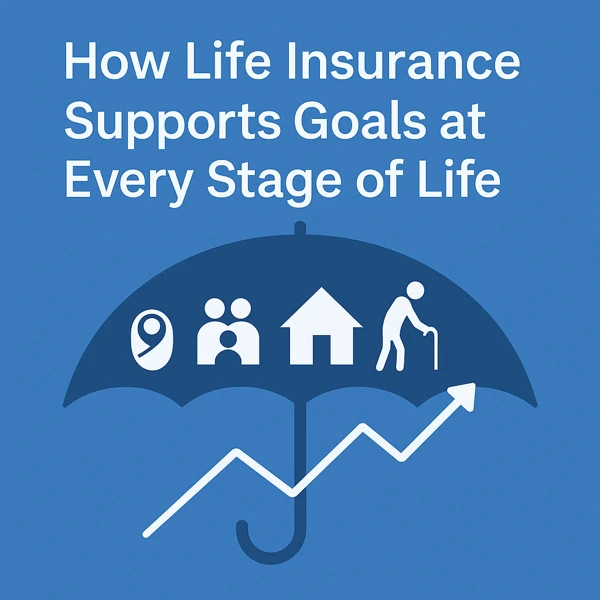
1. Introduction – Why Life Insurance Is a Lifecycle Financial Tool
Life changes, and so do the financial responsibilities that shape your goals. Early in adulthood, insurance is primarily about protecting income potential and covering debt. Later, it becomes a tool for securing a family’s lifestyle, safeguarding a mortgage, and protecting children’s futures. Near retirement, priorities shift toward preserving income, planning for long-term care, and creating a tax-efficient legacy.
That progression is why life insurance should never be treated as a one-time purchase. It is a planning instrument that evolves alongside your finances, your relationships, and your long-term goals. When structured appropriately, life insurance can support financial stability across your entire lifetime—giving yourself and your loved ones confidence at every major stage of life.
This guide explains how life insurance functions at each phase, which strategies fit different life circumstances, and how to align insurance decisions with long-term financial planning goals.
Key Takeaways
- Life insurance is a lifecycle planning tool, not a single purchase—coverage should evolve as your responsibilities and family needs change.
- Young adults benefit from lower premiums and locked-in insurability, even before major financial obligations or dependents exist.
- During family and home-buying years, insurance protects income, mortgages, childcare, and long-term education goals.
- Mid-career planning focuses on protecting peak income and supporting children, college expenses, and potentially aging parents.
- As retirement approaches, life insurance helps maintain survivor income and manage long-term healthcare and longevity risks.
- In retirement, insurance becomes a legacy and estate-planning tool, helping preserve assets, create liquidity, and transfer wealth efficiently.
2. What Changes as Life Changes
The role of insurance follows your life path. Each stage introduces new risks, new people depending on you, and new financial responsibilities. As your income grows and your family expands, the potential financial impact of losing that income also grows. Eventually, the focus turns from income protection to managing retirement risks and ensuring assets transfer efficiently to the next generation.
Here are the major transitions that drive changes in coverage needs:
Income and earning power
Your highest-earning years generally happen in mid-career. During those decades, the financial consequences of premature death are greatest. Later in life, income may decline—but planning for the loss of Social Security income or survivor benefits becomes increasingly important.
Debt and major obligations
Mortgages, college expenses, business loans, and other liabilities often peak during mid-life and gradually reduce as retirement approaches. Insurance plays a central role in keeping those obligations from falling onto your surviving spouse or children.
Dependents and family support
Children, partners, or aging parents can depend on your income at different stages. Life insurance helps maintain their financial stability if something unexpected occurs.
Healthcare and longevity risks
As people live longer, retirement periods stretch further—and the financial risks associated with long-term care or medical costs increase substantially. Later-life insurance planning can address those risks.
Estate and legacy
In retirement, the purpose of life insurance often shifts toward legacy planning, charitable giving, and protecting the family from having to liquidate assets at the wrong time.
These shifts are the reason a single policy rarely fits a lifetime. The most effective approach is to periodically reassess your goals, financial responsibilities, and risk exposure—and structure insurance to match.
⭐ Table 1 — Life Insurance Needs by Stage of Life
| Stage of Life | Primary Goal | Main Risk | Recommended Type | Why It Matters |
|---|---|---|---|---|
| 20s–30s | Protect income | Debt + future insurability | Term | Locks in low premiums |
| Marriage/Children | Replace income | Household expense + kids | Term (higher amounts) | Protects lifestyle |
| Mid-Career | Protect peak earnings | College + aging parents | Term + perm mix | Long-term flexibility |
| Pre-Retirement | Protect spouse | Reduced survivor income | Permanent | Income continuity |
| Retirement | Legacy + liquidity | Final expenses | Permanent | Estate & tax efficiency |
3. Stage 1: Young Adulthood (20s–30s)
Primary Financial Goals
Most people in their 20s or early 30s are working to establish financial independence—building careers, managing student debt, and learning the fundamentals of budgeting and saving. You may not have dependents yet, but you do have income potential that needs protection and debt obligations that shouldn’t fall on others.
Why Insurance Matters Early
Life insurance purchased early is typically far more affordable. Health risks are generally lower, underwriting is simpler, and premiums can be locked in for decades. The value of “insurability” is often overlooked—early coverage ensures you remain protected regardless of future health changes.
Young adults are also more likely to have co-signed student loans, car loans, or credit lines. If something happened, a parent or family member could be left responsible for repayment. Even modest coverage prevents that burden.
Best Types of Coverage
- Term life insurance with affordable premiums
- Convertibility options allowing permanent coverage later
- Smaller amounts tied to income, debts, or basic final expenses
Term coverage in this stage isn’t about sophisticated estate planning—it’s about simple, affordable protection and establishing a solid financial foundation.
Example Scenario
A 26-year-old single professional with student loans chooses a modest term policy primarily to protect parents who co-signed debt and to lock in very low premiums for the next 20–30 years.
4. Stage 2: Marriage, Children & Homebuying
As families grow, the financial impact of losing an income becomes significantly greater. Spouses depend on shared income, young children rely on parental support, and mortgages introduce long-term debt that must be managed for decades. During this stage, life insurance shifts from protecting personal finances to protecting a household and a future family lifestyle.
Financial Goals
- Replace income if something happens
- Protect a spouse or partner from financial hardship
- Provide for children and dependents
The loss of income at this point affects not only immediate expenses but also long-term financial commitments and family stability.
Coverage Should Address
- Mortgage payments that continue for decades
- Daily and ongoing living expenses
- Future educational needs
- Childcare and family support
- Final expenses and medical costs
Coverage amounts typically rise in this stage as obligations grow, especially for families with young children or newly purchased homes.
Ideal Options
- Larger term life policies sized to household needs
- Spousal coverage for both income earners
- Conversion potential for permanent coverage later
Term coverage remains the most cost-effective tool for protecting a family’s major obligations, while keeping the option open for permanent coverage in future planning.
Example Scenario
A couple in their early 30s with two young children and a new mortgage selects higher term coverage for each spouse. The policies are large enough to replace income through the children’s college years and include conversion options for more advanced planning later in life.
5. Stage 3: Mid-Career (40s–60s)
As careers mature and incomes grow, the financial impact of losing an income becomes more significant. This period typically represents peak earnings, higher spending obligations, and increased financial responsibilities. Children may be preparing for college, mortgages may still be active, and many individuals are also supporting aging parents. As a result, life insurance requires strategic review and possible restructuring to match evolving goals.
Shifting Needs
- Higher earnings
- Increased financial responsibilities
- College planning
- Support for aging parents
In this stage, coverage purchased years earlier may no longer reflect current income levels or the full value of a household’s economic contribution.
Business Planning
For business owners, mid-career is often when more advanced planning is appropriate such as:
- Buy–sell agreements
- Key person insurance
- Business continuation strategies
These policies help protect partners, employees, and family members while preserving the continuity of business operations.
Permanent Coverage Planning
As assets and retirement goals mature, permanent coverage enters the conversation for the first time in a meaningful way.
Topics typically include:
- When to add permanent insurance
- Long-term cash value potential
- Tax-advantaged wealth transfer
- Why some families layer term + permanent
- Why others stay term-only
This doesn’t mean permanent coverage is required—it simply becomes part of a strategic discussion about retirement readiness and long-term planning needs.
6. Stage 4: Preparing for Retirement (55–70)
As retirement approaches, the role of life insurance shifts from income replacement during working years to protecting retirement income streams and creating financial security for a surviving spouse. The focus becomes more strategic—ensuring lifetime income remains stable and addressing the growing financial risks associated with healthcare and longevity.
Key Needs
- Social Security survivor income
- Pension continuity
- Protecting a spouse’s lifestyle
- Long-term care exposure
Many households underestimate how much income may be reduced if one spouse passes away. Survivor benefits and pension options vary widely, and life insurance can serve as a stabilizing asset when retirement income changes unexpectedly.
Coverage Strategies
- Permanent life insurance
- Long-term care riders
- Hybrid life + LTC policies
These options provide protection at a time when underwriting becomes more difficult and healthcare costs become a larger part of financial planning. Hybrid coverage—combining life insurance with long-term care benefits—is increasingly used to protect retirement assets.
Example
A married couple approaching retirement evaluates survivorship income and finds that one spouse’s Social Security benefit would drop significantly if the other passed away. A permanent life policy is used to replace the lost income and maintain the household’s standard of living during retirement.
7. Stage 5: Retirement & Legacy (70+)
In the later years of life, life insurance becomes less about traditional income replacement and more about protecting assets, reducing financial burden on family members, and enhancing the efficiency of estate transfer. At this stage, coverage focuses on providing liquidity, supporting heirs, and ensuring assets pass according to your long-term intentions.
Primary Goals
- Leave assets to heirs
- Cover final expenses
- Support tax-efficient estate planning
- Enable charitable giving
Life insurance becomes a financial tool that complements retirement income planning, reduces the need for asset liquidation, and supports the values and legacy a person wants to leave behind.
Tools
- Permanent life insurance
- Trust-based strategies
- Irrevocable Life Insurance Trusts (ILITs)
- Estate liquidity planning
These strategies can help offset estate taxes, equalize inheritances between children, provide tax-efficient gifts, or fund charitable legacies. Even modest permanent coverage may prevent surviving family members from needing to sell property, investments, or other cherished assets in order to cover costs or settle financial obligations.
8. Term vs Permanent: Which Works Best When?
Choosing between term and permanent life insurance depends heavily on the stage of life you’re in and the specific financial goals you’re trying to protect. While both types provide a death benefit, their strategic purpose changes over time.
Stage-Based Comparison
- Early Career: Term generally provides the most affordable protection while locking in insurability.
- Family & Homebuying: Larger term policies protect income, mortgages, and childcare needs.
- Mid-Career: Blending term and permanent coverage becomes more common as retirement and legacy goals appear.
- Pre-Retirement & Retirement: Permanent insurance may be more appropriate for income continuity, wealth transfer, and long-term planning.
Cost vs Flexibility
- Term is usually lower-cost and ideal when the goal is pure income protection over a defined period of responsibility.
- Permanent insurance costs more but provides long-term coverage, potential cash value, and strategic planning advantages.
Term provides affordability and high coverage amounts, while permanent insurance provides flexibility, tax advantages, and lifelong protection.
Where Hybrid Planning Fits
Hybrid strategies combine both term and permanent insurance. This approach is often used when:
- families want maximum protection now
- long-term goals require permanent benefits
- healthcare or longevity risks are a concern
Many financial plans include layered term insurance early in life, transitioning to permanent coverage as retirement and estate goals come into focus.
⭐ Table 2 — Term vs Permanent: Quick Comparison
| Feature | Term Life | Permanent Life |
|---|---|---|
| Coverage period | Temporary | Lifetime |
| Cost | Lower | Higher |
| Builds cash value | No | Yes |
| Best for | Income replacement | Legacy & lifetime planning |
| Convertibility | Yes (usually) | Not applicable |
| Asset value | None | Accumulates over time |
9. Policy Riders and Conversion
Riders and conversion options shape the long-term value of a life insurance policy, providing both flexibility and additional protection as life changes.
Accelerated Benefits
Some policies allow access to a portion of the death benefit early if diagnosed with certain medical conditions. This can help cover medical costs, caregiving expenses, or other urgent financial needs.
Long-Term Care Riders
These riders help address the growing financial risk of long-term care expenses, which can significantly impact retirement savings if not planned for. Hybrid life + LTC policies have become a rising trend for households concerned about future caregiving costs.
Guaranteed Insurability
This option allows you to increase coverage later without undergoing new medical underwriting. It’s useful for younger buyers who anticipate future family or income changes.
Waiver of Premium
This rider waives premium payments if you become disabled and cannot work, helping ensure your coverage remains in force even if income is disrupted.
Conversion Rules
Many term policies allow conversion to permanent coverage at specific ages or within a defined window. Converting earlier can preserve insurability and provide lifetime benefits without needing a new medical exam.
Conversion is often most valuable during periods of major life changes—marriage, parenthood, business ownership, or approaching retirement.
⭐ Table 3 — When to Convert Term → Permanent
| When to Consider Converting | What You Gain |
|---|---|
| Approaching retirement | Lifetime coverage |
| Health changes | Guaranteed insurability |
| Need legacy planning | Wealth transfer |
| Business ownership | Buy–sell flexibility |
| Want long-term liquidity | Tax-advantaged cash value |
⭐ Table — Life Insurance Riders
| Rider | Purpose | Who Benefits |
|---|---|---|
| Accelerated death benefit | Access benefit while ill | All adults |
| Long-term care rider | Helps pay LTC expenses | Pre-retirees |
| Waiver of premium | Keeps policy active if disabled | Working adults |
| Guaranteed insurability | Increase later w/o medical exam | Young buyers |
10. Reviewing Coverage Over Time
Life insurance is not a “set it and forget it” decision. As responsibilities and financial objectives change, your coverage must evolve with them. Major life events often create new risks and obligations that were not present when the policy was first purchased. Regular reviews help ensure your coverage continues to match your family’s needs and financial goals.
Marriage
Two incomes usually support a shared lifestyle. If something happens, a surviving spouse may lose financial stability or face increased living expenses on a single income.
Divorce
Divorce can change financial obligations dramatically. Alimony, child support, shared assets, or court requirements may require new coverage, beneficiary updates, or adjustments to existing policies.
Birth of Children
Children introduce long-term financial commitments—from basic care to education. Insurance helps ensure those goals continue even if income is unexpectedly lost.
Buying a Home
Mortgages are long-term debts. Insurance ensures a surviving partner or family member can maintain the home without immediate financial strain.
Starting a Business
Business ownership introduces new responsibilities to partners, employees, lenders, and customers. Business insurance may be essential to protect operations and preserve family wealth.
Retirement Transition
As retirement approaches, income protection shifts toward ensuring a spouse’s security, managing healthcare risks, and protecting legacy and estate objectives. Review coverage to align with evolving goals and retirement income strategies.
11. Who Life Insurance Protects
Life insurance is about more than the individual—it protects the people and commitments that rely on your financial support. Those financial relationships shift over time, which is why insurance planning must evolve as your personal life and responsibilities change.
Spouses
Provides income continuity, protects retirement plans, and helps maintain a household’s lifestyle during difficult transitions.
Children
Ensures financial support, education planning, and essential care even if a parent is no longer present.
Business Partners
Supports buy–sell agreements, protects business continuity, and provides liquidity during ownership transitions.
Parents
Helps adult children provide care, protect aging family members, or cover final expenses without financial hardship.
Charities
Allows families to support causes they care about, leave meaningful legacies, or structure charitable gifts tax efficiently.
Life insurance ultimately safeguards the people, goals, and commitments that matter most—through every stage of life.
12. Example Scenarios: How Coverage Changes Over a Lifetime
Seeing how life insurance supports real-life financial goals at different stages helps illustrate why coverage should change as responsibilities evolve. The following examples are fictional, but they reflect common planning needs and typical life transitions.
Example 1: Early Career — Protecting Future Opportunity
Age: 28
Household: Single
Income: $60,000
Key needs
- Protect early earning power
- Cover co-signed student loans
- Lock in low premiums while healthy
Illustration
Alex purchases a 20-year term policy to protect parents who co-signed loans and to secure very low premiums that will continue as income grows.
Example 2: Growing Family — Income and Mortgage Protection
Age: 35
Household: Married, two children
Income: $120,000 combined
Key needs
- Replace income if something happens
- Protect mortgage payments
- Provide for child care and education
Illustration
Chris and Taylor increase coverage as children are born, selecting term policies large enough to replace income through college years and including conversion options for later planning.
Example 3: Mid-Career — College and Aging Parents
Age: 50
Household: Married, children nearing college
Income: $180,000
Key needs
- Support college planning
- Provide care flexibility for aging parents
- Protect peak earning years
Illustration
Jordan maintains term coverage but adds a smaller permanent policy to protect long-term goals and provide future planning options.
Example 4: Pre-Retirement — Spousal Income Continuity
Age: 62
Household: Married
Income: Transitioning to retirement
Key needs
- Protect survivor income
- Offset Social Security reduction
- Preserve retirement lifestyle
Illustration
Morgan reviews income projections and uses a permanent policy to replace benefits that would drop significantly if one spouse passed first.
Example 5: Retirement & Legacy
Age: 75
Household: Widowed
Income: Retirement distributions and Social Security
Key needs
- Provide for heirs
- Cover final expenses
- Avoid liquidating investment accounts
Illustration
Pat maintains a modest permanent policy that provides tax-efficient liquidity for heirs, preventing the sale of assets during market downturns or difficult timing.
Key takeaway
Life insurance is most effective when viewed as a planning tool that evolves with your financial journey—from building a career, to raising a family, to preserving a legacy for future generations.
13. Common Mistakes
Life insurance decisions are often made early in adulthood and then forgotten for years, even though responsibilities and financial exposure change dramatically over time. These are some of the most frequent and costly oversights.
Buying only once and never reviewing
Many people buy a policy when they’re young and never evaluate whether it still protects their current income, family needs, or retirement goals. Coverage should evolve as your life does.
Dropping coverage too early
Eliminating insurance in your 50s or 60s can leave a surviving spouse without sufficient income—especially if Social Security or pension benefits decline after one spouse passes away.
Assuming workplace coverage is enough
Employer plans generally offer limited coverage—often only one or two times salary—and the benefit usually isn’t portable. If you leave a job, your protection may disappear.
Underestimating survivor income needs
Families frequently plan around replacing salary but overlook the full cost of raising children, paying off debts, funding education, and maintaining a survivor’s lifestyle for decades.
14. FAQ Section
Do retirees still need insurance?
Not always—but many do. If a surviving spouse will experience a reduction in Social Security or pension benefits, or if healthcare and long-term care expenses could reduce assets, life insurance may help protect retirement income and provide financial stability later in life.
Should I convert my term policy?
Conversion depends on age, health, retirement plans, and legacy goals. Converting part or all of a policy can secure lifetime coverage without new underwriting and may be useful for long-term planning or wealth transfer.
How much coverage is “enough”?
It depends on your specific financial responsibilities—income replacement, dependents, debts, retirement goals, and survivor living needs. While rules of thumb exist, a needs-based analysis provides a more accurate amount aligned with your financial plan.
What if my health changes?
Most policies remain in force even if your health declines. If you have a term policy with conversion privileges, you may be able to convert to permanent coverage without medical underwriting. Reviewing options before health changes is ideal—but protections may still exist afterward.
15. Final Thoughts
Life insurance is most effective when viewed as a lifecycle planning strategy, not a one-time purchase. Every major chapter of life introduces new responsibilities, different people depending on your income, and shifting financial goals.
As income grows, families expand, mortgages appear, and retirement approaches, coverage should evolve with those needs. The right approach in your 20s may not be appropriate in your 50s or 70s—and that’s exactly why periodic review is essential.
Throughout life, three themes consistently shape insurance planning:
- how much income needs to be protected
- who depends on that income
- how healthcare and longevity risks affect long-term security
By aligning life insurance decisions with these changing priorities, you build financial stability not only for yourself, but also for the people and goals that matter most across every stage of life.
