
🏥 Health Insurance
Understand Coverage, Control Costs, and Protect Your Financial Health
✍️ Introduction
Healthcare costs can be one of the largest and most unpredictable expenses in any financial plan. Health insurance helps protect you from these costs by covering medical care, reducing out-of-pocket expenses, and providing access to essential services.
This guide explains how health insurance works, the types of plans available, and how to choose coverage that aligns with your financial situation and long-term goals.
👤 Who Needs Health Insurance?
Health insurance is essential for nearly everyone, but especially important for:
- Individuals without employer-sponsored coverage
- Self-employed professionals and contractors
- Families managing ongoing healthcare needs
- Individuals seeking protection from unexpected medical expenses
👉 Even a single medical event can create significant financial strain without adequate coverage.
📊 What Health Insurance Covers
Health insurance plans typically cover a range of medical services, including:
- Preventive care (annual checkups, screenings)
- Doctor visits and specialist care
- Prescription medications
- Emergency services and hospitalization
- Mental health services
Coverage varies by plan, so it’s important to review details carefully.
🧩 Types of Health Insurance Plans
Employer-Sponsored Plans
- Offered through an employer
- Often subsidized (lower cost to employee)
- Limited plan options
Individual & Marketplace Plans (ACA)
- Purchased through the Health Insurance Marketplace
- Eligibility for subsidies based on income
- Flexible plan selection
High-Deductible Health Plans (HDHPs)
- Lower monthly premiums
- Higher deductibles
- Often paired with Health Savings Accounts (HSAs)
Government Programs
- Medicaid (income-based)
- Medicare (age 65+ or qualifying conditions)
📊 Key Cost Components
Understanding how costs work is critical when selecting a plan:
| Cost Component | What It Means |
|---|---|
| Premium | Monthly cost to maintain coverage |
| Deductible | Amount you pay before insurance begins covering costs |
| Copay | Fixed cost for specific services |
| Coinsurance | Percentage of costs you pay after deductible |
| Out-of-Pocket Maximum | Maximum you pay in a year before coverage is 100% |
🧠 How to Choose the Right Health Insurance Plan
Selecting the right plan involves balancing cost, coverage, and risk:
- Estimate your healthcare usage
Consider how often you visit doctors, need prescriptions, or expect procedures. - Compare total costs—not just premiums
Lower premiums often come with higher deductibles. - Check provider networks
Ensure your preferred doctors and hospitals are included. - Evaluate prescription coverage
Review formularies for medications you take regularly. - Consider long-term flexibility
Choose a plan that fits both current and future healthcare needs.
⚖️ Balancing Premiums and Out-of-Pocket Costs
| Plan Type | Monthly Cost | Out-of-Pocket Risk | Best For |
|---|---|---|---|
| Low Premium / High Deductible | Lower | Higher | Healthy individuals with savings |
| Moderate Plan | Balanced | Moderate | Most individuals and families |
| High Premium / Low Deductible | Higher | Lower | Frequent healthcare users |
🧠 Health Insurance for the Self-Employed
If you are self-employed or a contractor:
- You must secure your own coverage
- Marketplace plans may offer income-based subsidies
- HSAs can provide tax advantages when paired with HDHPs
👉 Managing healthcare costs is a critical part of financial planning for independent earners.
-
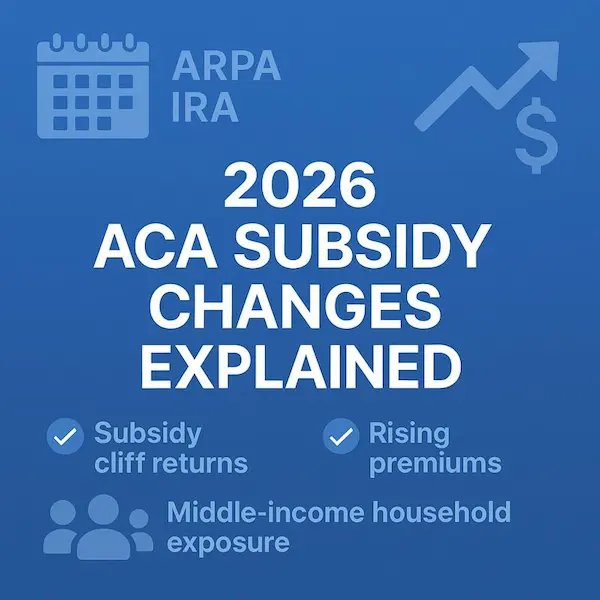
2026 ACA Subsidy Changes Explained: A Complete Guide for the Self-Employed, Creators, and Contractors
1. Introduction – Why 2026 Is a Turning Point for ACA Health Insurance The year 2026 marks a significant shift in how millions of Americans—especially the self-employed, creators, contractors, and small business owners—will afford health insurance. For the past several years, enhanced subsidies under the American Rescue Plan Act (ARPA) and the Inflation Reduction Act […]
-
Affordable Health Insurance for Independent Contractors – Understanding the New ACA Tax Credit Changes
1. Introduction – Why Health Insurance Is Getting More Complicated for Independent Contractors Health insurance has always been a challenge for independent contractors. Without access to employer-sponsored coverage, freelancers, gig workers, and self-employed professionals shoulder the full cost and administrative burden of securing affordable care. For years, the Affordable Care Act (ACA) Marketplace helped ease […]
-
Health Insurance for the Self-Employed: A Complete Guide to ACA Plans, Tax Deductions, and Smart Coverage Choices
Introduction – Why Health Insurance Matters for the Self-Employed When you work for yourself, there’s no HR department to handle your benefits — you are the benefits department. That freedom comes with flexibility but also responsibility. One major decision every freelancer, consultant, or small business owner faces is how to protect their health without breaking […]
⚠️ Common Health Insurance Mistakes to Avoid
- Choosing plans based only on monthly premiums
- Ignoring deductible and out-of-pocket maximums
- Not verifying provider networks
- Overlooking prescription coverage
- Missing enrollment deadlines
📰 Related Insurance Topics
Strengthen your overall protection strategy by exploring:
- →
/insurance/disability-insurance/ - →
/insurance/life-insurance/ - →
/insurance/liability-protection/ - →
/insurance/risk-management/
❓ Frequently Asked Questions
What is the most important factor when choosing health insurance?
Total cost (including premiums, deductibles, and out-of-pocket expenses) and access to care are the most important factors.
What is a deductible?
A deductible is the amount you pay before your insurance begins covering costs.
Are marketplace plans worth it?
Yes—especially if you qualify for subsidies, which can significantly reduce premiums.
What is an HSA?
A Health Savings Account allows you to save money tax-free for qualified medical expenses when paired with a high-deductible plan.
🏁 Conclusion
Health insurance is not just about covering medical costs—it’s about protecting your financial stability and ensuring access to care when you need it most. By understanding your options and choosing coverage carefully, you can reduce financial risk and support your long-term financial plan.
Back to Insurance Hub