
Author: Jason Bryan Ball
-
What a Weak Dollar Means for Your Retirement Plan
Key Takeaways 🔑 Introduction When people think about retirement planning, they often focus on market returns, Social Security, and how much they’ve saved. But there’s another factor that can quietly reshape your retirement lifestyle: the strength of the U.S. dollar. A “weak dollar” may sound like an abstract concept reserved for economists and Wall Street…
-
Retirement Planning Basics for Content Creators
Introduction – Why Retirement Planning Matters for Creators Content creation can be one of the most rewarding careers. You set your own schedule, earn income from your passion, and build a brand that connects with audiences around the world. But this freedom comes with a challenge: no employer retirement plan, no automatic 401(k) match, and…
-
The Hidden Pay Cut → The Illusion of a Raise
Key Takeaways Introduction – The Raise That Wasn’t Your boss just congratulated you on a raise. You smile, imagining the extra breathing room in your budget. But then you hit the grocery store, pay the electric bill, and look at your rent — and suddenly, that “raise” feels like a step backward. This is the…
-
How to Calculate Your Real Income (and Why It’s the Only Number That Matters)
Key Takeaways Introduction – Why Your Paycheck Doesn’t Tell the Full Story When someone asks how much you make, most people give a simple answer: their salary or hourly wage. That number—the one on your paycheck before taxes and expenses—is called nominal income. But here’s the catch: nominal income doesn’t tell you what your money…
-

Retirement Planning in Your 20s and 30s – Building Wealth Early
Introduction – Why Early Planning Matters Most people don’t think about retirement until it’s staring them in the face. But here’s the truth: the earlier you start, the less you need to save each month—and the more freedom you’ll have later. Starting in your 20s or 30s gives you a powerful advantage: time. With decades…
-
How Much Do You Really Need to Retire? (Savings Goals & Benchmarks)
Introduction – Why Retirement Planning Matters More Than Ever Retirement is one of the biggest financial milestones you’ll ever prepare for—and one of the most misunderstood. Some people picture a single “magic number,” while others hope Social Security will cover most of their costs. The truth is more complex. Rising life expectancies, healthcare inflation, and…
-
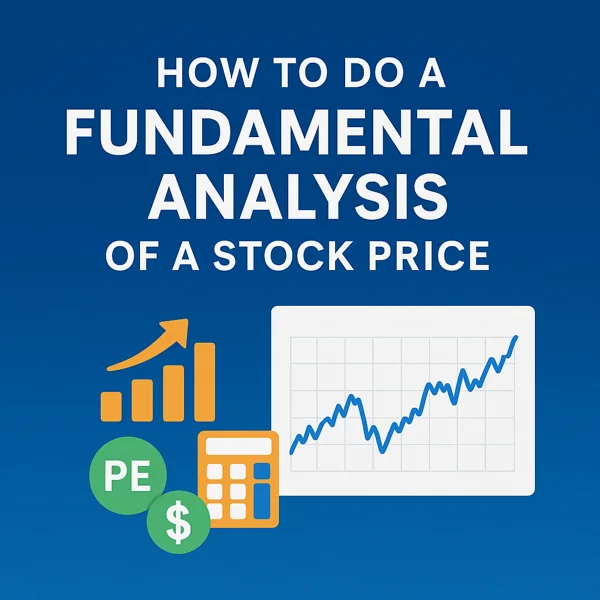
How to Do a Fundamental Analysis of a Stock Price
Key Takeaways Introduction The stock market moves every second, but not all price changes reflect a company’s true worth. That’s where fundamental analysis comes in. Instead of chasing short-term trends, fundamental analysis helps you look beneath the surface — at the business itself — to decide whether a stock is undervalued or overpriced. In this…
-

What Happens If You Don’t Pay Your Student Loans?
Introduction Student loans are one of the most common forms of debt in America. But what actually happens if you stop making payments? Many borrowers underestimate the speed at which consequences build — from late fees and damaged credit to wage garnishment and aggressive collection efforts. This post provides a comprehensive overview of the consequences…
-
Saving Money – Practical Tips to Keep More of What You Earn
Key Takeaways Introduction Saving money isn’t about cutting every joy from your life—it’s about making smart, intentional choices that put you in control of your financial future. In a world where costs of living are rising, debt levels are high, and emergencies always seem to strike at the worst time, learning how to save is…
-

Smart Saving Money Tips: How to Keep More of What You Earn
Key Takeaways Introduction Most Americans want to save more money but struggle to make it a habit. In fact, surveys show that nearly 60% of U.S. adults couldn’t cover a $1,000 emergency without going into debt. The truth is, saving money isn’t just about cutting lattes — it’s about building systems, reducing waste, and making…
-
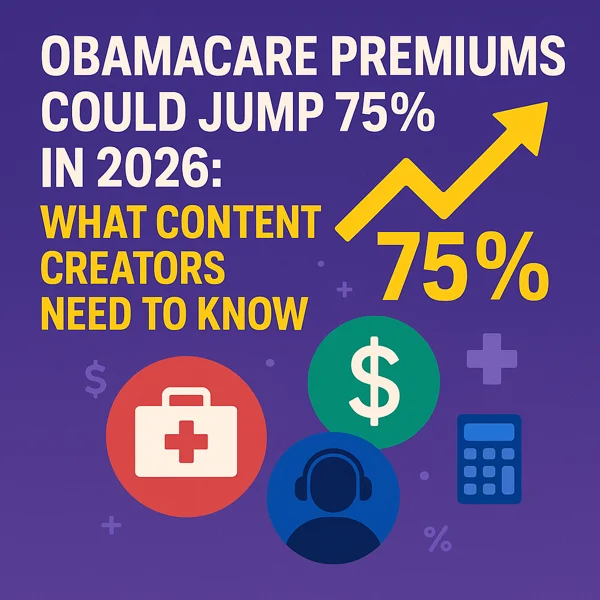
Obamacare Premiums Could Jump 75% in 2026: What Content Creators Need to Know
Key Takeaways Introduction Healthcare costs are about to become one of the biggest financial challenges for self-employed creators. Whether you’re running an OnlyFans account, building a YouTube channel, streaming on Twitch, or freelancing as a writer or designer, you likely don’t have employer health insurance. That means your financial security depends on the Affordable Care…
-
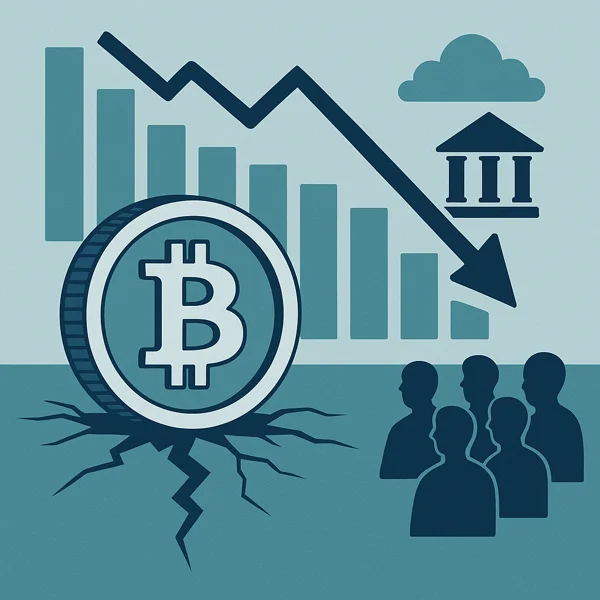
When the Music Stops – Could a Crypto Run Collapse the Market?
✅ Key Takeaways Introduction – A Digital Bank Run? Bank runs are not new. For centuries, people have lined up at banks in panic to demand their money, fearing insolvency. But in today’s digital financial system, a new phenomenon threatens investors: the crypto run. Instead of standing in lines outside banks, millions of crypto investors…
-
Should Companies Move to Semiannual Reporting? The Pros, Cons, and Financial Planning Impact
Introduction: The Reporting Debate In September 2025, former President Donald Trump renewed his call for companies to move away from quarterly earnings reports and instead publish results only twice a year. This is not the first time the idea has surfaced—Trump made a similar suggestion in 2018, asking the Securities and Exchange Commission (SEC) to…
-
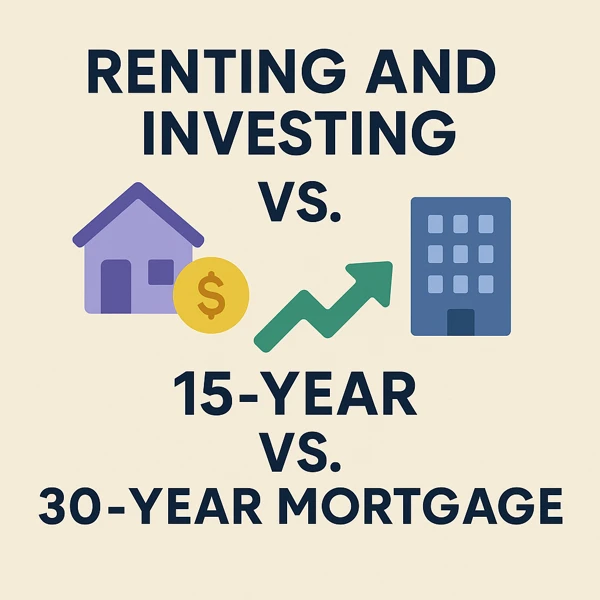
Renting vs. Buying with a 15- or 30-Year Mortgage – Which Builds More Wealth in the Long Run?
Introduction When deciding between renting and buying a home, most people focus on monthly payments. But the real question is much bigger: which option helps you build more long-term wealth? Should you rent and invest the difference, or buy with a 15-year mortgage to be debt-free faster? Does a 30-year mortgage free up enough cash…
-
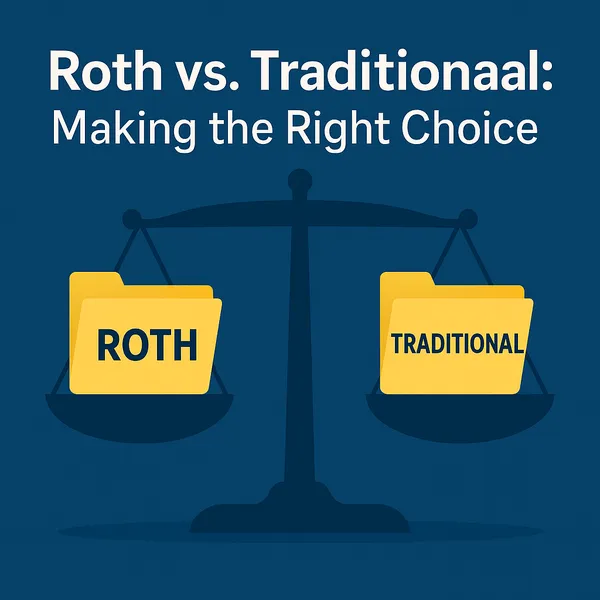
Roth vs. Traditional: Making the Right Choice for Singles and Married Couples
Introduction When most people think about retirement savings, the debate comes down to Roth vs. Traditional accounts. At first glance, it seems simple: with a Traditional IRA or 401(k), you get a tax deduction today but pay taxes later; with a Roth, you pay taxes today but enjoy tax-free withdrawals in retirement. But there’s a…
-

Retirement Planning for the Self-Employed – Options and Strategies
Five Key Takeaways Introduction Did you know that nearly one in three self-employed individuals lack a retirement savings plan? This alarming gap underscores a common challenge: when you’re focused on running your business, planning for your future often slips to the bottom of the list. Yet without the safety net of an employer-sponsored 401(k) or…
-

Marginal Tax Planning: Roth vs. Traditional IRA — Which Is Right for You?
5 Key Takeaways Introduction When planning for retirement, one of the most important questions you’ll face is: “Should I choose a Roth IRA or a Traditional IRA?” The right answer isn’t one-size-fits-all—it often comes down to marginal tax planning. In other words, how does your tax bracket look today compared to what you expect in…
-
Finances For Creators – A Comprehensive Guide to Managing Money in the Creator Economy
Introduction: Why Money Management Matters for OnlyFans Creators The creator economy is booming, and OnlyFans has given countless individuals the opportunity to earn significant income on their own terms. Yet while the money may flow quickly, it often comes with a hidden challenge: financial instability. Unlike traditional jobs, creators don’t receive health insurance, retirement benefits,…
-

What Creators Need to Know About Taxable vs. Retirement Investment Accounts
Introduction – Why This Decision Matters for Creators When you’re a content creator, your income doesn’t always come in a neat, predictable paycheck. One month you might land a lucrative brand deal; the next, your revenue might come from a mix of ad payouts, affiliate sales, merch, and sponsorships.That unpredictability makes it even more important…
-
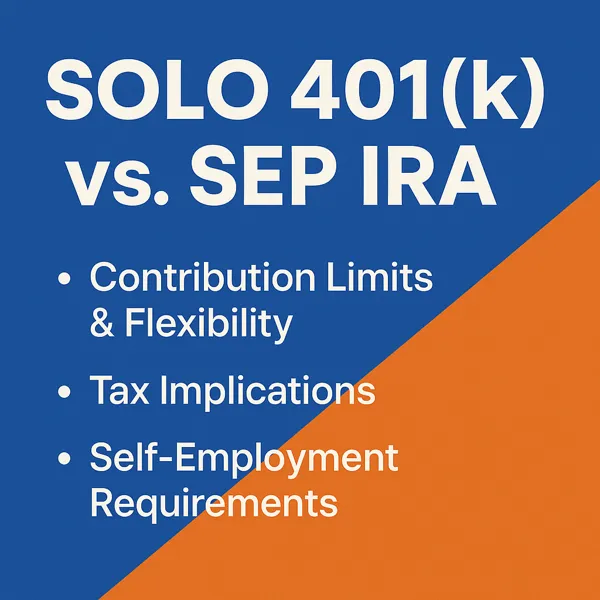
Solo 401(k) vs. SEP IRA – Retirement Account for Creators
5 Key Takeaways Introduction – Why Retirement Planning Matters for Creators When you’re a full-time content creator—whether you’re running a YouTube channel, streaming on Twitch, selling stock photos, or building a multi-platform brand—retirement can feel like a far-off goal. Without an employer-sponsored 401(k), it’s easy to put savings on the back burner.But here’s the reality:…